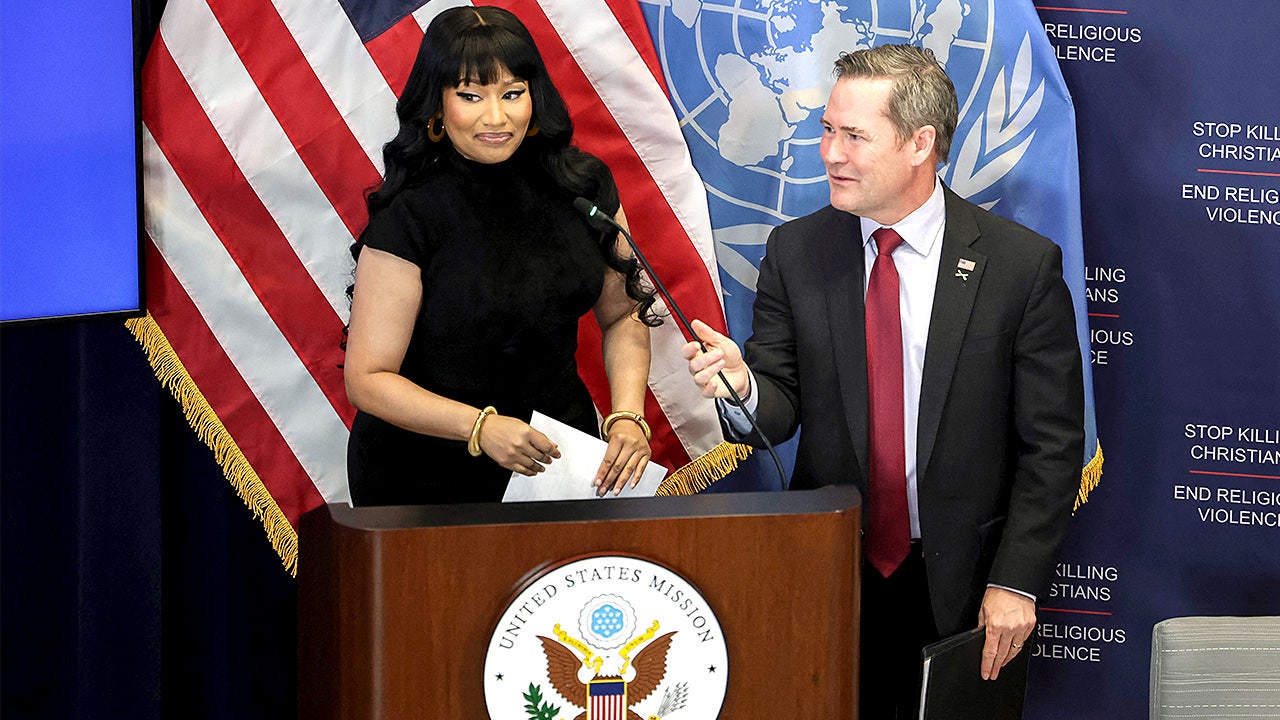
Celebrity and humanitarian advocates of persecuted Nigerian Christians hope for continued attention to crisis
The Watchmen's Summary
Renewed violence in Nigeria’s Middle Belt is reportedly killing Christians, destroying churches, and displacing families, while advocates fear the crisis is receiving less U.S. attention amid other conflicts and political changes. The article cites conflicting estimates of deaths since 2009, ranging from more than 50,000 Christians to over 53,000 people across communities. It identifies Boko Haram, ISWAP, and Fulani militias among the perpetrators, while noting that Muslims and traditional-religion adherents have also suffered. U.S. officials and advocates are urging continued accountability and assistance.
Biblical Context
The killing of Christians, destruction of churches, forced displacement, and fear described in Nigeria correspond directly to the New Testament’s teaching that believers may face hostility because of their faith. Jesus tells His disciples that they should expect opposition from the world because of their allegiance to Him (John 15:18–20), and He pronounces blessing on those persecuted for righteousness while calling them to faithfulness (Matthew 5:10–12). These passages do not identify Nigeria’s conflict as a particular end-times event, but they provide a clear framework for understanding persecution of Christians. The suffering of displaced families and threatened congregations also connects with the biblical command to remember and care for people who are imprisoned, mistreated, or otherwise vulnerable. Hebrews 13:3 calls believers to identify with those suffering, while Psalm 82:3–4 urges the defense of the weak and needy and the rescue of those facing oppression. Those principles support concern for victims and sustained humanitarian and legal attention without resolving the article’s disputed casualty estimates or assigning responsibility beyond the evidence presented. Scripture also gives governing authorities a responsibility to restrain violence and pursue justice. Romans 13:1–4 describes civil authority as accountable for punishing wrongdoing and protecting public order. That principle can illuminate the article’s reports of attacks, inadequate investigations, and calls for Nigerian and international accountability. It does not by itself endorse any particular U.S. policy or prove that government failures were intentional. No specific prophetic passage is established by the reported events; the violence reflects a recurring biblical pattern of persecution and injustice rather than a demonstrable fulfillment of a distinct prophecy.
Watchmen Signals
Nigerian Christians are described as being killed, displaced, and attacked because of their religious identity, while churches are vandalized or destroyed and authorities face criticism for failing to protect victims. Scripture directly addresses persecution of believers, care for the vulnerable, and the responsibility of authorities to restrain violence and pursue justice.
The violence resembles the recurring persecution of believers described in passages such as John 15:18–20, but the supplied facts do not establish a distinctive correspondence to a particular end-times prophecy. The article provides no basis for saying that these attacks fulfill a specific prophetic passage.
Violence is continuing and advocacy efforts are being reassessed amid changing U.S. political attention, but the article does not describe a single sudden escalation requiring immediate notification.
Biblical Sources
Scripture references supporting the biblical context above.
Believers are instructed to remember those in prison and those being mistreated as though sharing their suffering, supporting concern for persecuted and displaced Christians.
Jesus warns His disciples that they may be hated and persecuted because they belong to Him, directly informing the Christian experience of hostility described in Nigeria.
Jesus addresses persecution for righteousness and encourages faithfulness under such suffering, providing direct context for attacks on Christians because of their faith.
The passage calls for defending the weak, fatherless, afflicted, and needy, a principle relevant to the protection of displaced families and other civilians facing violence.
Paul describes governing authorities as responsible for restraining wrongdoing and serving justice, which illuminates calls for authorities to protect communities, investigate attacks, and hold perpetrators accountable.
Comments
No comments yet.
Sign in to join the conversation.
Sign InStay Informed. Grow in Biblical Understanding.
Explore important news from around the world through the context of God's Word. Create your FREE Watchmen account to discover more news analysis, Biblical Insights, and Scripture-based perspectives.
Create Your FREE AccountFree to join. No credit card required.