Alito warns against congressional Supreme Court meddling, says some lower court judges 'have gone far astray'
The Watchmen's Summary
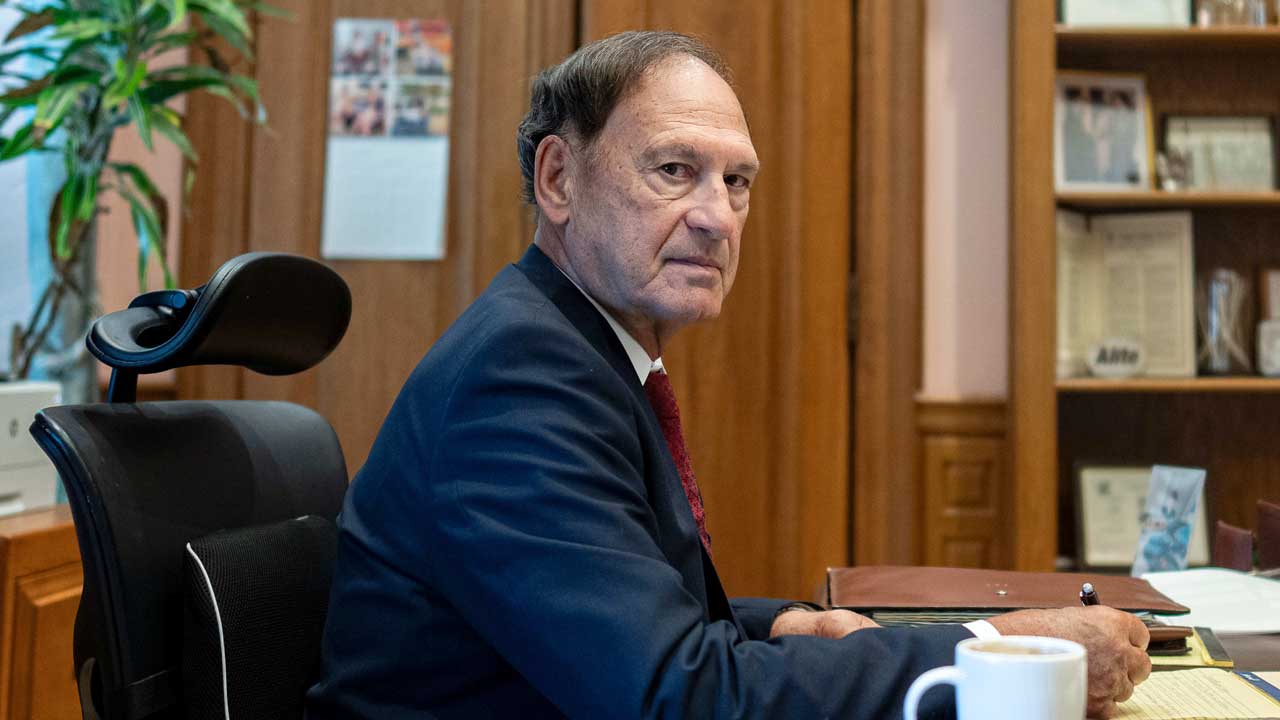
Supreme Court Justice Samuel Alito warned that Congress could effectively halt the Court’s operations by cutting its funding, though Article III protects federal judges’ compensation while they remain in office. Speaking at the Federalist Society’s Antonin Scalia Memorial Dinner, Alito said such pressure could threaten judicial independence and alter the constitutional system established in 1789. He also criticized some lower-court orders as unjustified and, in certain cases, an abuse of judicial power. The remarks come amid broader political tensions surrounding the Court.
Biblical Context
The dispute involves government authority, the administration of justice, and the danger that officials may exceed their proper powers. Deuteronomy 16:18-20 commands judges to judge fairly, reject bribes, and pursue justice, providing a direct biblical basis for taking judicial integrity seriously. Second Chronicles 19:6-7 similarly reminds judges that they do not judge merely for human institutions but under God’s authority, and therefore must act without partiality or corruption. Romans 13:1-4 describes governing authorities as possessing a legitimate role in maintaining order and punishing wrongdoing. In context, it supports the existence of civil authority but does not grant unlimited power to any branch or settle the constitutional dispute described here. The article’s concern about Congress potentially disabling the Supreme Court can therefore be compared with Scripture’s broader teaching that authority is accountable and must serve justice. Scripture does not specifically address modern congressional funding mechanisms or the American separation of powers, and no particular prophetic fulfillment is established by these events.
Watchmen Signals
Congressional pressure on the Supreme Court and allegations that some judges have exceeded their authority raise questions about how power is exercised and how justice is protected. Deuteronomy 16:18-20 and 2 Chronicles 19:6-7 speak directly to impartial, accountable judgment, while Romans 13:1-4 addresses the legitimate role and responsibilities of civil authorities; Scripture does not, however, describe modern congressional funding procedures.
Alito’s warning concerns a domestic constitutional dispute involving congressional funding and judicial independence. Scripture contains no specific prophecy that identifies this event, and the reported political tension does not by itself establish a prophetic pattern or fulfillment.
Alito's comments were warnings delivered at a public dinner; no defunding action, immediate shutdown, or rapidly unfolding constitutional emergency was reported.
Biblical Sources
Scripture references supporting the biblical context above.
Jehoshaphat reminds judges that they judge on behalf of the Lord and must avoid injustice, partiality, and bribery. This supports the principle that judges are accountable for how they exercise authority.
These instructions require judges to administer justice fairly, reject corruption, and pursue justice, directly informing concerns about judicial integrity and abuse of authority.
Paul recognizes the legitimate role of governing authorities in maintaining order and punishing wrongdoing. The passage offers broader context for questions about governmental authority while not resolving the modern constitutional funding dispute.
Comments
No comments yet.
Sign in to join the conversation.
Sign InStay Informed. Grow in Biblical Understanding.
Explore important news from around the world through the context of God's Word. Create your FREE Watchmen account to discover more news analysis, Biblical Insights, and Scripture-based perspectives.
Create Your FREE AccountFree to join. No credit card required.