4 Killed Days After Cantine Massacre
The Watchmen's Summary
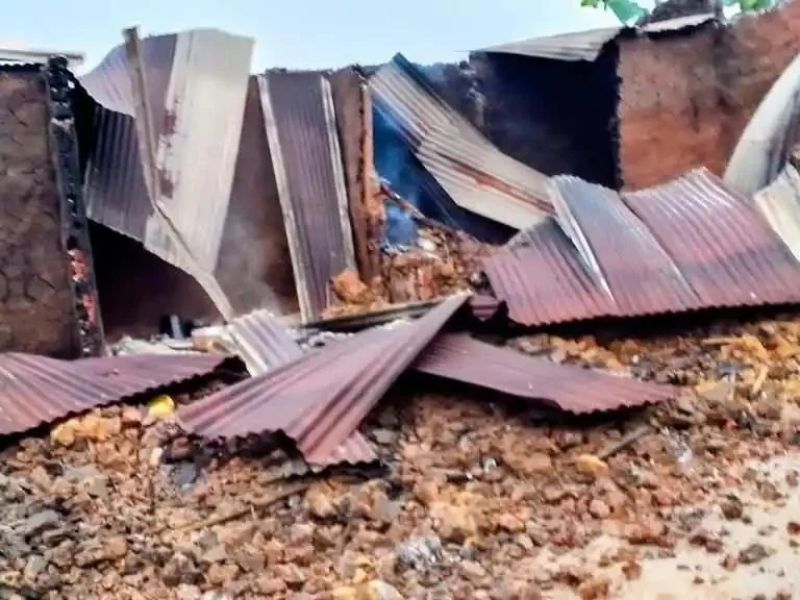
Suspected Allied Democratic Forces (ADF) fighters reportedly killed four civilians and burned more than seven homes in Mabalako, within the Democratic Republic of Congo’s Beni Territory, on November 12, 2026. The attack came only days after at least 33 civilians were reportedly killed in nearby Cantine-Aloya. Residents described persistent fear and grief, while local civil society leaders and a Catholic bishop urged security forces to improve protection and prevent further massacres. The article does not independently verify the allegations or identify the victims’ religious affiliations.
Biblical Context
The killing of civilians and destruction of homes directly raise the biblical prohibition against murder in Exodus 20:13. That command establishes the seriousness of taking innocent life, although the passage does not identify a particular modern conflict or assign responsibility for these specific deaths. Psalm 82:3–4 calls those with authority to defend the weak and afflicted, rescue the needy, and deliver them from the hand of the wicked. That principle speaks directly to the appeals from residents, civil society representatives, and the Catholic bishop for effective protection of civilians in Mabalako and surrounding communities. Romans 13:3–4 describes governing authorities as responsible for restraining wrongdoing and acting as servants for the public good. In relation to the reported attacks, it supports the expectation that security authorities should confront armed violence and protect the population. It does not establish that the authorities have fulfilled that responsibility, nor does it provide evidence that these events fulfill a specific prophecy. Scripture speaks clearly to the moral reality of murder, oppression, and the duty to protect the vulnerable, while the article itself does not establish a distinctive prophetic pattern.
Watchmen Signals
Four civilians were reportedly killed, homes were burned, and residents were left vulnerable to armed attackers. Scripture directly addresses these realities through its condemnation of murder and its commands that authorities defend the weak, restrain wrongdoing, and protect the public.
The attacks reflect the persistent reality of human violence condemned in Scripture, but the account does not correspond to a distinctive prophetic passage or identifiable end-times pattern. Nothing in the report establishes prophetic fulfillment.
The overnight attack is newly reported and follows another deadly assault in the same area, with residents facing an ongoing risk of further violence. It warrants close attention, but the available information does not indicate a broader emergency requiring immediate notification.
Biblical Sources
Scripture references supporting the biblical context above.
The prohibition against murder directly addresses the reported killing of civilians and affirms the gravity of taking innocent human life.
The call to defend the weak and afflicted and rescue them from the wicked relates directly to demands that authorities protect civilians from armed attacks.
Paul describes governing authority as responsible for restraining wrongdoing and serving the public good, providing biblical context for the appeal that security forces protect residents and confront attackers.
Comments
No comments yet.
Sign in to join the conversation.
Sign InStay Informed. Grow in Biblical Understanding.
Explore important news from around the world through the context of God's Word. Create your FREE Watchmen account to discover more news analysis, Biblical Insights, and Scripture-based perspectives.
Create Your FREE AccountFree to join. No credit card required.