Pence delivers scathing rebuke of Vance's Iran war assessment, blames Trump policies for GOP losses
The Watchmen's Summary
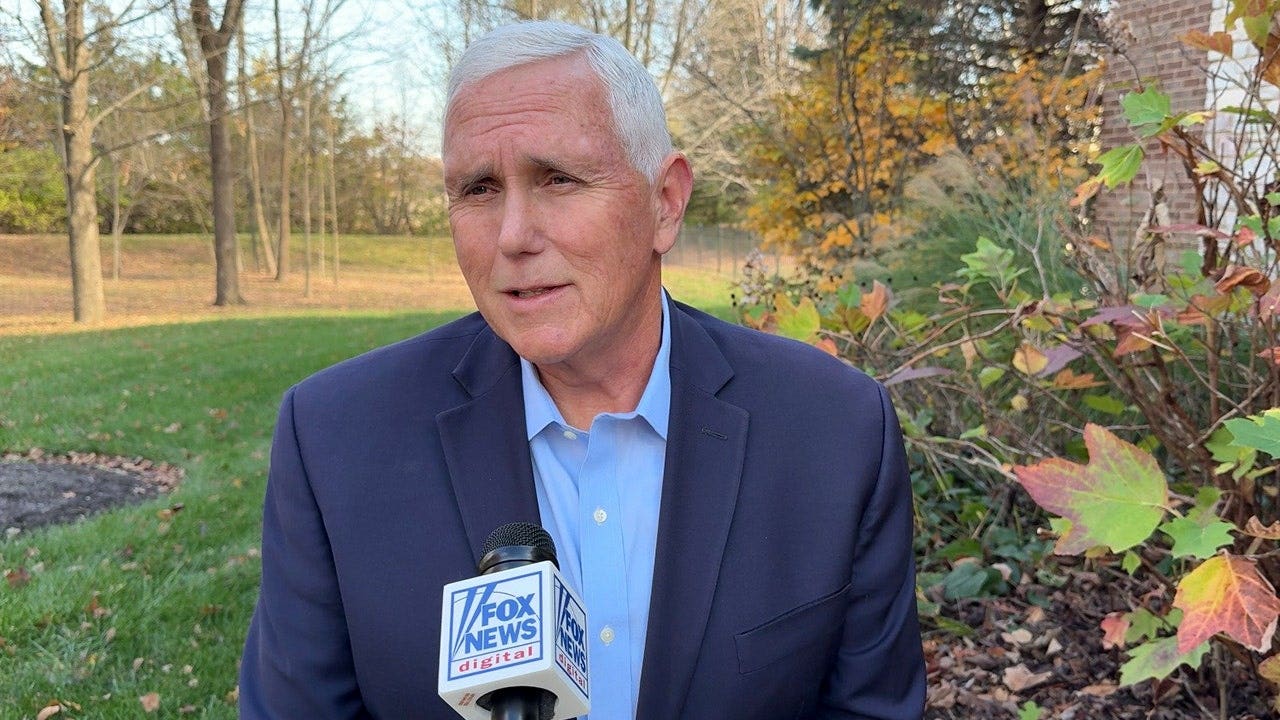
Former Vice President Mike Pence rejected Vice President JD Vance’s claim that the war with Iran was the main reason Republicans lost the midterm elections. Pence attributed the Democratic gains—including control of Congress and a majority of governorships—to a broader combination of war fatigue, inflation, tariffs, abortion policy, alleged corruption, and the administration’s approach to Israel. Vance’s allies defended the administration and criticized Pence’s foreign-policy views. The White House did not respond to Fox News Digital’s request for comment.
Biblical Context
Government leaders are accountable for the justice and integrity of their rule. Romans 13:1-4 describes governing authority as possessing a public responsibility to restrain wrongdoing and promote order; it does not exempt rulers from moral evaluation. The accusations of self-dealing and corruption therefore raise a genuinely biblical concern, although the excerpt does not establish that the allegations are true. Passages such as Proverbs 29:4 and Isaiah 1:23 connect political stability and national well-being with just leadership rather than bribery, exploitation, or corrupt officials. The disagreement over the war with Iran also touches biblical teaching about violence, prudence, and peacemaking. Jesus’ blessing on peacemakers in Matthew 5:9 and James 4:1-2’s warning about conflicts arising from sinful desires support careful moral scrutiny of both military action and the pursuit of peace. These passages do not determine whether a particular war should have been started, prolonged, or ended, and they do not identify the conflict as prophetic. Israel and antisemitism are additional areas of biblical significance. Genesis 12:1-3 records God’s promises concerning Abraham and his descendants, while Romans 11:28-29 affirms the continuing importance of Israel in Paul’s discussion of God’s purposes. Those passages provide a biblical reason to treat hostility toward Jews and questions involving Israel seriously, but they do not settle every modern dispute over U.S. policy or prove that a particular government position is biblically required. Finally, Pence’s reference to abortion and the protection of unborn life connects with Scripture’s portrayal of God’s knowledge and care for human life in the womb in Psalm 139:13-16. That passage supports the dignity of unborn human life, though the political claims about abortion medication and election effects remain matters the excerpt reports without fully substantiating. No specific prophetic passage is established by the war with Iran, the election result, or the disagreement over Israel.
Watchmen Signals
The dispute over war, government accountability, alleged corruption, Israel, antisemitism, and abortion touches subjects Scripture addresses through teaching on rulers, justice, conflict, Israel, and human life. Scripture does not validate the competing political explanations or establish the factual allegations, but it supplies substantive moral principles for evaluating them.
A war with Iran, disagreement over support for Israel, and a change in congressional control do not by themselves match a particular prophetic passage. The account provides no distinctive evidence of the nations gathering against Israel or of another defined prophetic condition, so it would be unwarranted to describe these events as prophetic fulfillment.
The election results and the competing explanations from Pence and Vance are presented as retrospective political analysis. No immediate military escalation, emergency action, or other time-sensitive event requires prompt notification.
Biblical Sources
Scripture references supporting the biblical context above.
God’s promises to Abraham and his descendants provide biblical background for treating Israel and hostility toward the Jewish people as subjects of serious moral and theological significance, while not prescribing a specific modern policy.
Isaiah condemns rulers who pursue gifts and neglect justice, making this passage relevant to the reported concerns about corruption and the integrity of public officials.
James examines the sinful desires that produce conflicts, offering a moral framework for considering war and political hostility without deciding the merits of this particular conflict.
Jesus blesses peacemakers, a principle relevant to the dispute over whether military escalation, negotiation, or ending the war with Iran represents responsible leadership.
The proverb contrasts justice, which establishes a nation, with corrupt gain, illuminating the article’s allegations of self-dealing and concern about government corruption.
The psalm portrays God’s intimate knowledge and formation of a person in the womb, supporting the biblical concern for unborn human life raised in the political debate over abortion.
Paul’s discussion of Israel affirms the continuing significance of God’s purposes concerning the Jewish people, informing the article’s concerns about Israel and antisemitic rhetoric.
Paul describes governing authority as responsible for public order and the punishment of wrongdoing, providing context for evaluating claims about executive power, accountability, and political leadership.
Comments
No comments yet.
Sign in to join the conversation.
Sign InStay Informed. Grow in Biblical Understanding.
Explore important news from around the world through the context of God's Word. Create your FREE Watchmen account to discover more news analysis, Biblical Insights, and Scripture-based perspectives.
Create Your FREE AccountFree to join. No credit card required.