We crossed the Rubicon with Iran, so we can’t stop halfway
The Watchmen's Summary
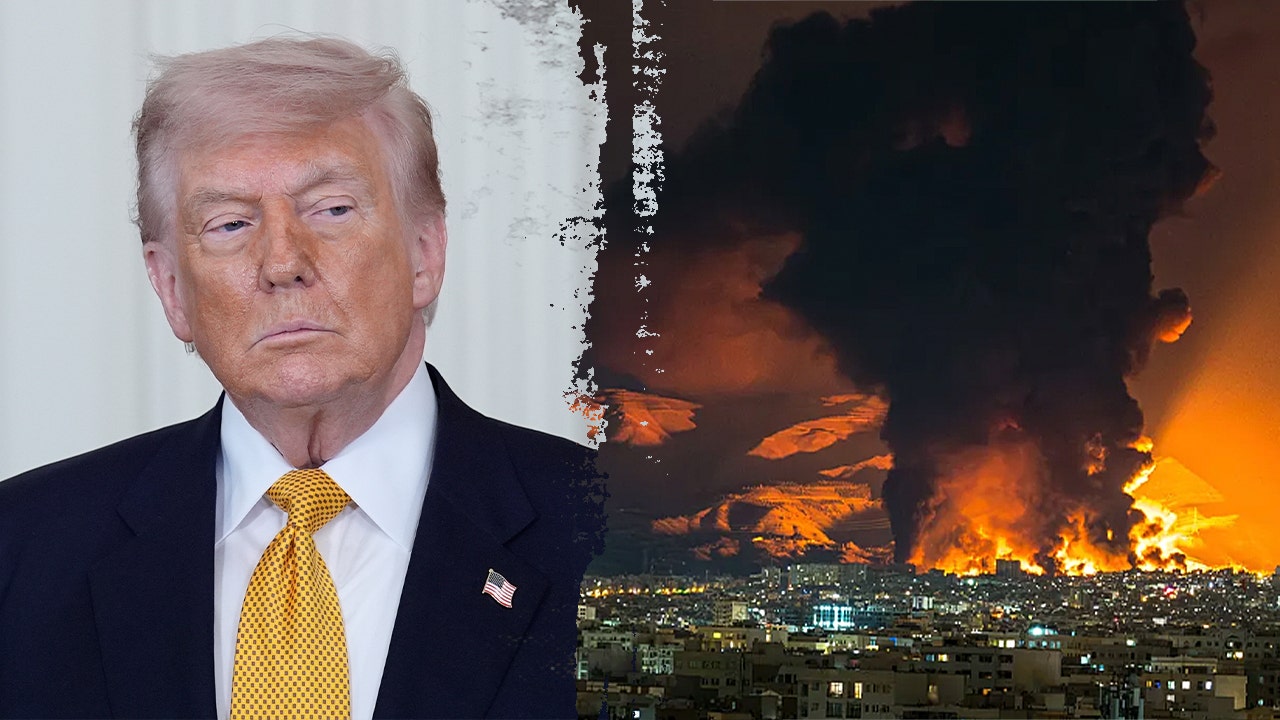
The commentary argues that U.S. military action against Iran should not end with a quick declaration of victory. It contends that Iran’s nuclear, missile, drone, underground-facility, and proxy capabilities could be rebuilt if pressure is lifted. The proposed strategy combines continuous diplomacy, sanctions, maritime enforcement, inspections, and periodic military strikes against legally justified targets. The author warns that escalation, retaliation, energy-market disruption, and civilian costs remain serious risks, but argues that allowing Iran to recover could produce a more dangerous conflict later.
Biblical Context
A direct military confrontation between the United States and Iran raises biblical questions about government authority, the use of force, justice, restraint, and the pursuit of peace. Romans 13:1-4 describes civil authorities as accountable to God and recognizes the state’s responsibility to restrain wrongdoing, including through coercive power. That passage can illuminate the author’s argument that national leaders have a duty to protect citizens and allies, but it does not automatically approve every military operation or remove the need for lawful and moral scrutiny. The proposed strategy also involves continuing negotiations while preparing for renewed force. Luke 14:31-32 presents a king considering carefully whether he can meet an opposing army before entering conflict. In context, Jesus is teaching the cost of discipleship, not providing a modern war policy; nevertheless, the passage offers a legitimate principle of soberly counting costs before pursuing military action. Proverbs 24:6 likewise commends wise counsel in warfare, which relates to the article’s emphasis on intelligence, defined objectives, verification, and strategic planning. Scripture gives positive weight to peace rather than treating conflict as an end in itself. Matthew 5:9 blesses peacemakers, and 1 Timothy 2:1-2 urges prayer for rulers so that people may live peaceful and godly lives. These passages qualify the article’s call for sustained military pressure: diplomacy and deterrence may be considered tools for protecting people, but force should not become an open-ended objective. The article’s concerns about threats to Israel and international security are therefore biblically relevant, yet the supplied facts do not establish the fulfillment of a particular prophecy. Hostility toward Israel, regional warfare, and nuclear danger are not by themselves sufficient evidence of a specific prophetic event.
Watchmen Signals
A direct U.S.–Iran military confrontation involves rulers’ responsibility to protect people, the moral limits of force, justice, national hostility, and the pursuit of peace—subjects Scripture addresses in its teaching about governing authorities, warfare, and peacemaking. The connection does not mean that Scripture endorses the commentary’s proposed strategy or confirms every historical and military claim it makes.
Iranian hostility toward Israel, nuclear development, proxy warfare, and a wider Middle Eastern conflict can prompt comparisons with biblical passages about war and opposition to Israel. The facts supplied here do not, however, identify the distinctive events, alliances, timing, or other details needed to connect this particular war to a specific prophecy; resemblance alone does not establish fulfillment.
Military confrontation and negotiations involving Iran appear to be evolving, with potential consequences for Israel, regional security, and global energy markets. The piece is strategic opinion rather than a breaking-news alert, so continued monitoring is warranted without treating it as an immediate emergency.
Biblical Sources
Scripture references supporting the biblical context above.
Paul urges prayer for rulers so that society may experience peaceful and orderly conditions. The passage connects national leadership with the protection of public peace rather than with conflict as an end in itself.
Jesus refers to a king assessing his ability to face an opposing army before entering conflict. Though the immediate context concerns the cost of discipleship, the passage provides a relevant principle of soberly counting the costs of war.
Jesus blesses those who make peace. This provides an important moral qualification to proposals for continuing military pressure and supports the article’s recognition that diplomacy and a durable settlement must remain central.
The proverb associates successful warfare with wise guidance and many counselors. It relates to the commentary’s emphasis on intelligence, defined objectives, verification, and strategic judgment.
Paul describes governing authorities as accountable to God and entrusted with the responsibility to restrain wrongdoing, including the use of coercive power. This informs the article’s discussion of national defense while leaving military decisions subject to justice and lawful accountability.
Comments
No comments yet.
Sign in to join the conversation.
Sign InStay Informed. Grow in Biblical Understanding.
Explore important news from around the world through the context of God's Word. Create your FREE Watchmen account to discover more news analysis, Biblical Insights, and Scripture-based perspectives.
Create Your FREE AccountFree to join. No credit card required.