Six Christians Beheaded In Mozambique As Islamic State Attacks Leave At Least 19 Dead
The Watchmen's Summary
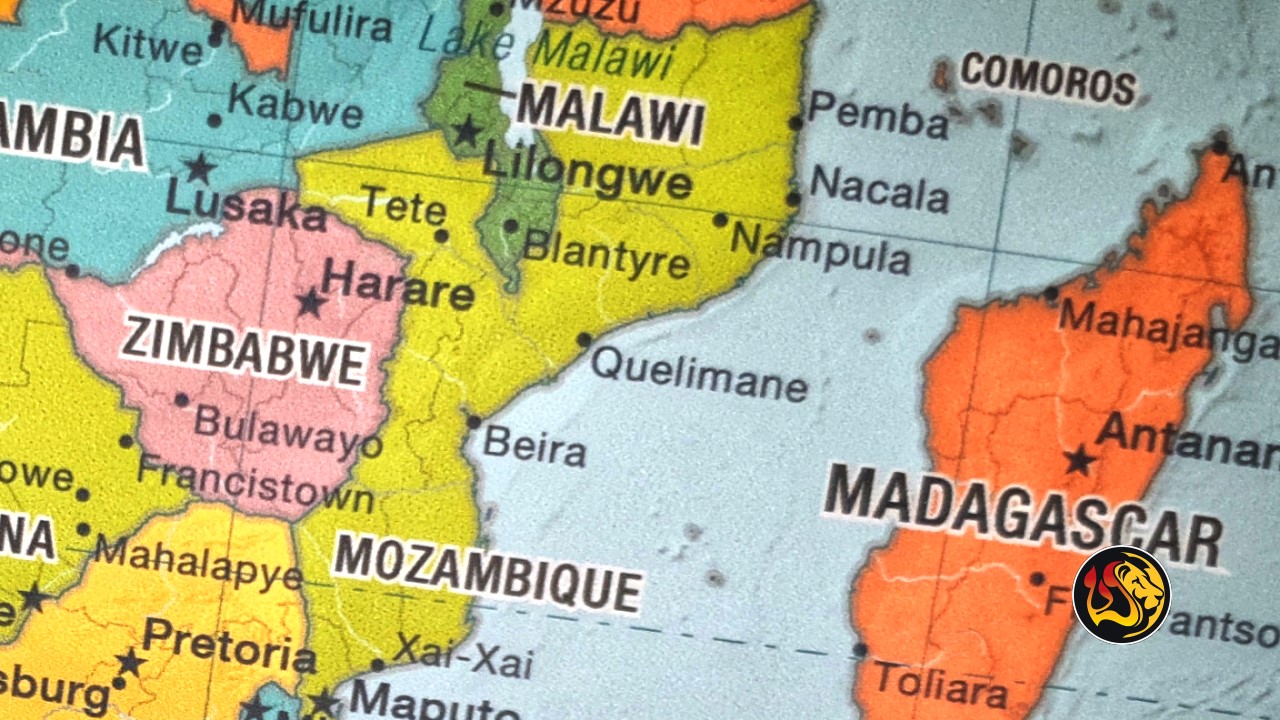
Six Christians were reportedly beheaded in northern Mozambique during attacks linked to Islamic State-affiliated militants. Barnabas Aid said three believers were killed in Muidumbe district on November 1 and three more in neighboring Mueda. Conflict monitors recorded at least 19 civilian and other deaths across seven community attacks between October 21 and 31, though the figures may overlap. The killings occurred amid a broader insurgency that has displaced hundreds of thousands, while uncertainty remains over whether victims were targeted for their faith, their livelihoods, or both.
Biblical Context
The beheadings and continuing danger faced by Christian families directly connect with Jesus’ warning that His followers would be hated, persecuted, and sometimes killed because of His name (Matthew 24:9). That passage describes a recurring reality of persecution and places it within Jesus’ broader teaching about endurance; it does not by itself identify these killings as the fulfillment of a particular end-times event. Revelation 6:9–11 presents the souls of believers killed for their testimony, emphasizing both the reality of faithful suffering and God’s awareness of those who die for their witness. The passage offers a theological parallel to reported Christian martyrdom, but the article does not establish that every victim was killed specifically for faith. More generally, 2 Timothy 3:12 teaches that those who desire to live faithfully in Christ should expect the possibility of persecution. That principle applies to the reported threats against believers, while the article’s acknowledgment that Muslims and other civilians also suffer cautions against reducing the conflict to a single motive or religious category.
Watchmen Signals
Six Christians were reportedly beheaded amid a wider campaign of killings, displacement, and attacks on communities in northern Mozambique. Jesus and the New Testament writers directly address the suffering, persecution, and endurance of believers, although the available evidence leaves uncertain whether each victim was targeted for faith, livelihood, or both.
Jesus’ warnings about persecution and Revelation’s vision of slain witnesses provide relevant biblical context, but the reported attacks do not contain the distinctive evidence needed to identify a particular prophetic event. The killings are better understood as part of the long-standing reality of Christian persecution than as an established fulfillment of end-times prophecy.
The attacks occurred over a recent period and the militant campaign remains active, but the article reports killings that had already taken place rather than an immediate attack or rapidly unfolding emergency requiring instant notification.
Biblical Sources
Scripture references supporting the biblical context above.
Paul teaches that those seeking to live faithfully in Christ may face persecution, a principle relevant to the continuing danger reported for Christian communities in northern Mozambique.
Jesus warns that His followers will be hated, persecuted, and put to death for His name, directly relating to the reported killings of Christians and threats against believers.
The vision of believers slain for their testimony reflects the biblical reality of martyrdom and God’s recognition of faithful witnesses who suffer violence.
Comments
No comments yet.
Sign in to join the conversation.
Sign InStay Informed. Grow in Biblical Understanding.
Explore important news from around the world through the context of God's Word. Create your FREE Watchmen account to discover more news analysis, Biblical Insights, and Scripture-based perspectives.
Create Your FREE AccountFree to join. No credit card required.