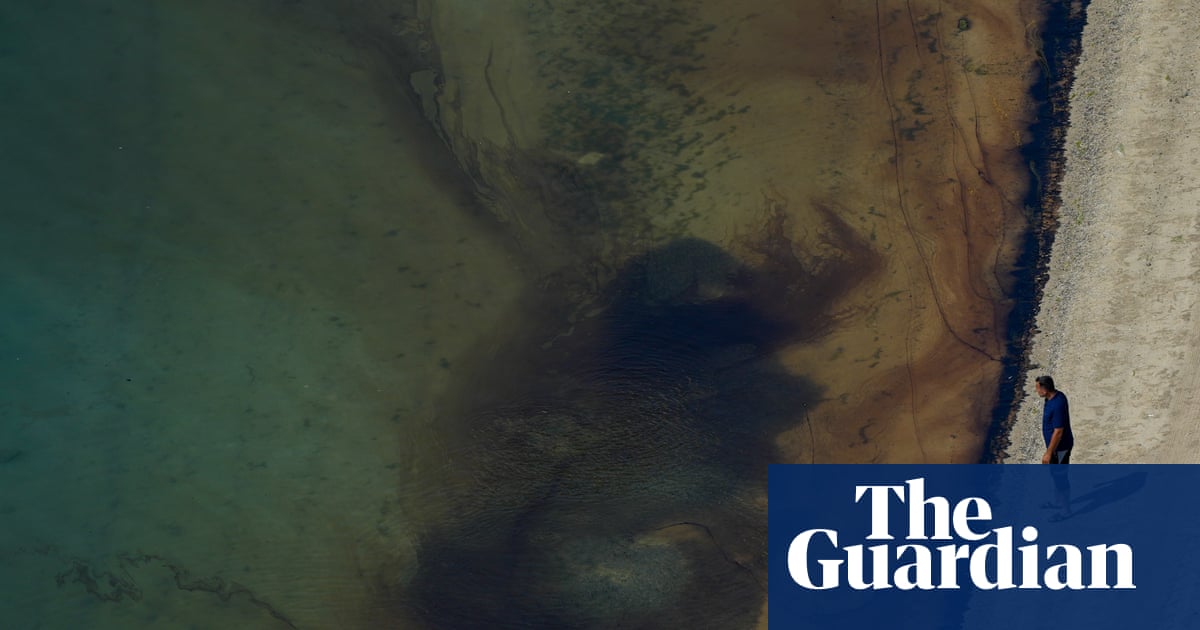
Oil slicks seen from space: the devastating impact of boat strikes on fragile Gulf ecosystems
The Watchmen's Summary
Eight months into a reported US-Iran war, repeated missile and mine attacks on oil tankers have turned the Strait of Hormuz into a contaminated battlefield. Greenpeace says satellite monitoring identified more than 500 spill events and cumulative slick footprints covering about 20,000 square kilometres, though some sources and causes remain unverified. Oil has reached coastlines, mangroves, reefs, fishing grounds and wildlife habitats in Iran, Oman and the UAE. Cleanup efforts have contained some leaks, but scientists warn that ecological damage could persist for decades.
Biblical Context
The destruction of marine habitats and the risks to coastal communities raise a genuine stewardship concern. Genesis 1:28 gives humanity authority over the created world, but that authority is presented as a responsibility to exercise care and productive oversight, not as permission for reckless destruction. The tanker attacks, military strikes and resulting contamination therefore invite moral scrutiny concerning how nations use force and how they account for harm to people, animals and the wider environment. Revelation 11:18 describes God's judgment on those who destroy the earth. In its prophetic context, the verse does not specifically predict oil spills in the Strait of Hormuz, nor does it identify the current war as its fulfillment. It does, however, establish that environmental destruction is not morally insignificant before God. Together, these passages support a biblical concern for responsible dominion and accountability while leaving the article's specific political and environmental claims to ordinary historical and scientific investigation.
Watchmen Signals
The tanker attacks and resulting pollution place human stewardship, the treatment of living creatures, and accountability for destructive conduct at the center of the reported crisis. Genesis 1:28 and Revelation 11:18 support those concerns, although neither passage specifically addresses modern oil-spill disasters or establishes responsibility for these particular events.
The reported war and environmental damage resemble broad biblical themes of violence, judgment and accountability, but no particular prophetic passage identifies oil spills in the Strait of Hormuz or this US-Iran conflict. The article therefore does not establish a specific prophetic fulfillment.
Attacks and oil pollution are continuing, and the full environmental damage remains difficult to measure because access to the affected areas is restricted. The situation deserves monitoring, but this article is an investigative assessment rather than an immediate report of a newly unfolding attack or emergency.
Biblical Sources
Scripture references supporting the biblical context above.
Humanity is given dominion over living creatures and the earth; the passage supports treating that authority as a responsibility toward the created order rather than justification for careless destruction.
In the context of divine judgment, the passage speaks of God judging those who destroy the earth, establishing that grave environmental harm carries moral accountability before God.
Comments
No comments yet.
Sign in to join the conversation.
Sign InStay Informed. Grow in Biblical Understanding.
Explore important news from around the world through the context of God's Word. Create your FREE Watchmen account to discover more news analysis, Biblical Insights, and Scripture-based perspectives.
Create Your FREE AccountFree to join. No credit card required.