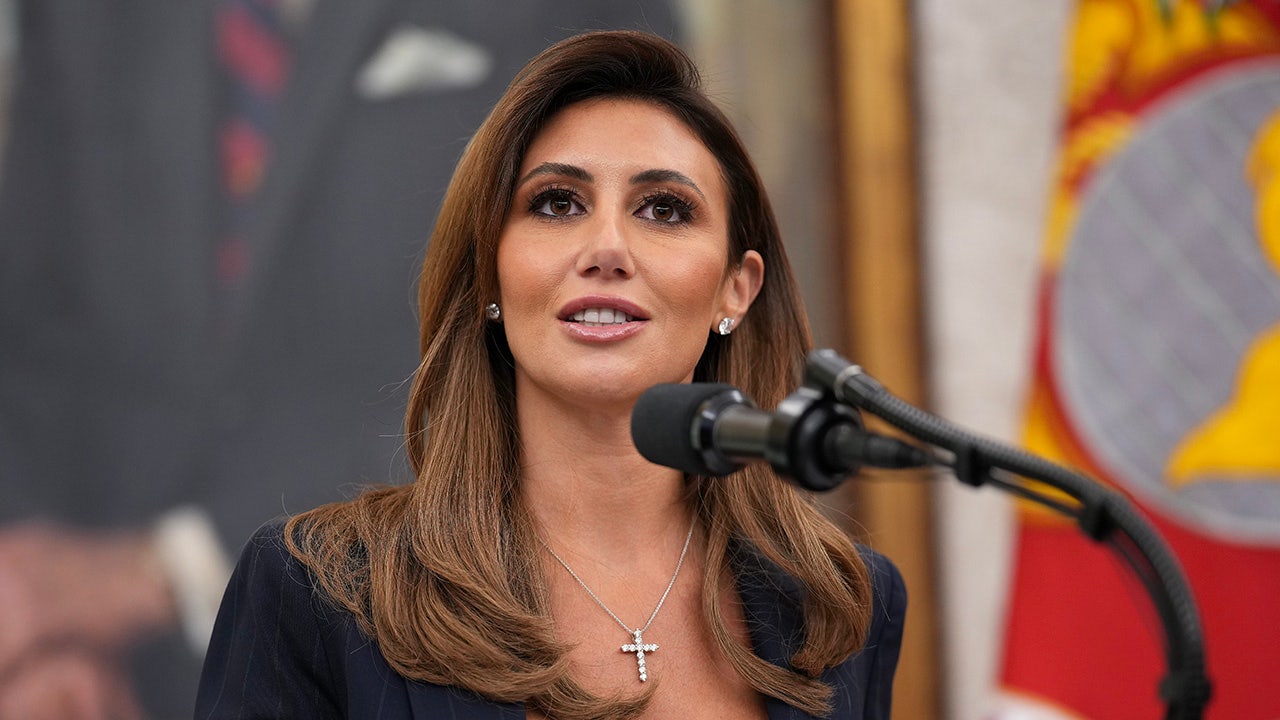
Trump's ex-lawyer Alina Habba loses massive contract days after president blasts 'outrageous' deal
The Watchmen's Summary
President Donald Trump’s former attorney, Alina Habba Mildon, lost a four-year, more-than-$50 million general-counsel contract with Concord Partners, a company founded by the daughter of pardoned Venezuelan banker Julio Herrera Velutini. The company terminated the agreement after Trump publicly objected to the compensation and reportedly urged the Herrera family to stop paying her. Habba Mildon had received approximately $14.5 million. She denies helping secure Herrera’s pardon, while the termination letter cites an alleged failure to perform duties.
Biblical Context
A presidential pardon connected by timing to a lucrative private contract raises questions Scripture repeatedly addresses about impartial justice and the corrupting influence of money. Exodus 23:8 warns that a bribe can blind officials and distort the words of the righteous; Deuteronomy 16:19 similarly prohibits accepting a bribe because it perverts judgment. These passages do not establish that a bribe occurred in this case, but they provide a direct ethical framework for evaluating allegations involving public authority, large payments, and possible influence. Proverbs 29:4 teaches that a ruler establishes a country through justice, while corruption destroys stability. That principle bears on the broader public-integrity concern surrounding presidential intervention in a private compensation arrangement and a pardon involving a person who had faced bribery-related charges. The article does not demonstrate that the president acted unlawfully or that the pardon was exchanged for compensation; those remain unresolved questions. Scripture therefore supports scrutiny of impartiality, financial influence, and the accountability of rulers without converting the allegations into proven misconduct.
Watchmen Signals
A presidential pardon, a multimillion-dollar private contract, and allegations of presidential influence bring the biblical concerns of impartial justice, bribery, and accountable rule into direct focus. Exodus 23:8 and Deuteronomy 16:19 address how financial gifts can distort judgment, while Proverbs 29:4 links just government with public stability; these principles do not prove that bribery or a quid pro quo occurred here.
The reported contract termination, pardon, and questions about influence do not correspond to a specific biblical prophecy or distinctive prophetic pattern. Scripture offers moral teaching about justice and corrupt leadership, but no prophetic text establishes that these particular events fulfill prophecy.
The contract termination and public dispute are recent developments involving a sitting president, a former government attorney, and a controversial pardon. They warrant continued attention, but the available information does not indicate an immediate emergency or rapidly escalating threat.
Biblical Sources
Scripture references supporting the biblical context above.
The passage forbids distorting justice and accepting bribes because gifts can blind judgment, closely relating to questions about impartiality, pardons, and lucrative private contracts.
Moses warns that accepting a bribe can blind officials and distort justice, providing a direct ethical principle for examining alleged influence involving public authority and substantial payments.
The proverb contrasts a ruler who establishes a nation through justice with one who undermines it through corrupt gain, illuminating the public consequences of alleged conflicts involving presidential power.
Comments
No comments yet.
Sign in to join the conversation.
Sign InStay Informed. Grow in Biblical Understanding.
Explore important news from around the world through the context of God's Word. Create your FREE Watchmen account to discover more news analysis, Biblical Insights, and Scripture-based perspectives.
Create Your FREE AccountFree to join. No credit card required.