Israel's political shake-up enters new phase as former PM plays kingmaker — and deadline looms
The Watchmen's Summary
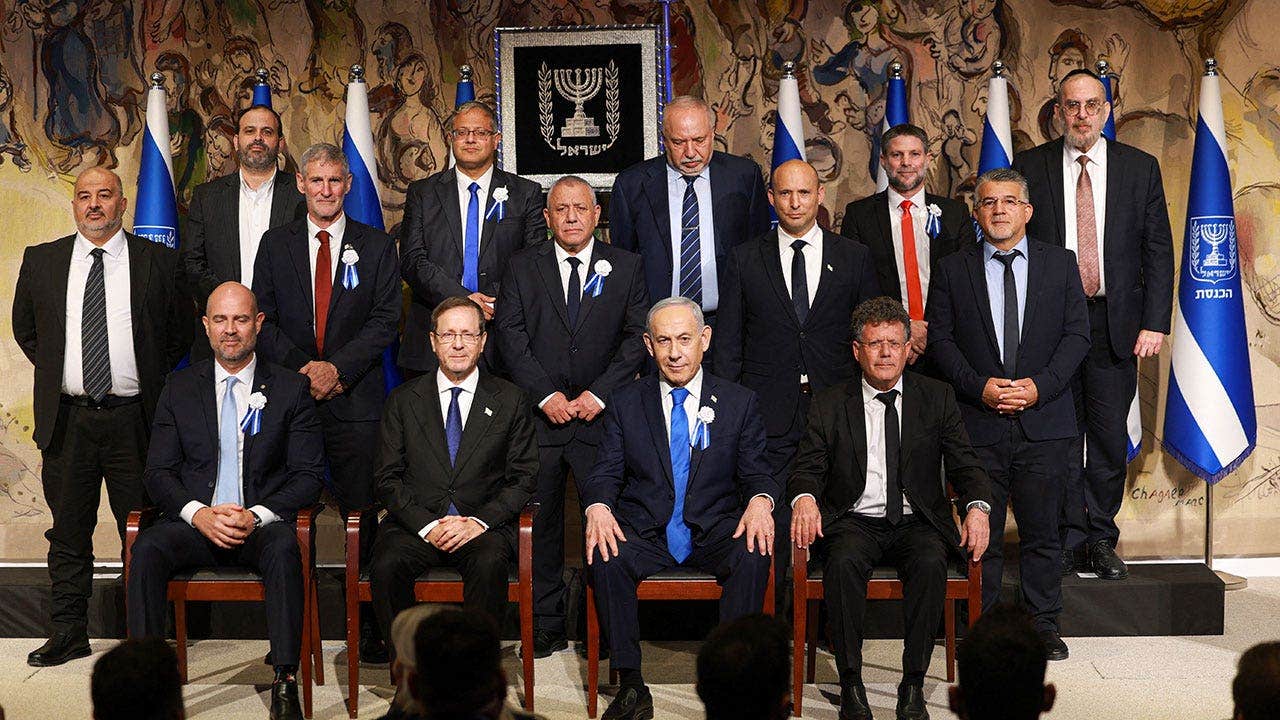
Israel’s newly sworn-in Knesset has begun a potentially historic transition, with former military chief Gadi Eisenkot receiving President Isaac Herzog’s mandate to form a government after winning broader parliamentary support than Prime Minister Benjamin Netanyahu. Eisenkot is negotiating with former Prime Minister Naftali Bennett and other opposition parties, but no coalition has been secured. Major obstacles include disagreements over ultra-Orthodox military exemptions, possible cooperation with Arab parties, Netanyahu’s role, and accountability for the October 7, 2023, Hamas attacks. Failure could lead to another election.
Biblical Context
The struggle to form a government raises questions Scripture directly addresses about the responsibilities and limits of political authority. Romans 13:1-4 describes governing authorities as having a public duty to restrain wrongdoing and pursue order, while also presenting authority as accountable to a moral purpose rather than as a license for personal power. That principle bears on the article’s disputes over national security, institutional checks, accountability for the October 7 attacks, and proposed changes involving the judiciary, police, attorney general, and the prime minister’s ability to serve. Justice and impartial governance are also relevant. Deuteronomy 16:18-20 commands Israel’s judges and officials to administer justice without partiality, reject bribes, and pursue justice consistently. It does not resolve the modern coalition dispute, but it provides a specific standard by which claims about political accountability, treatment of rival parties, and the use of government power can be considered. Micah 6:8 likewise calls for justice, mercy, and humble conduct before God; this is a moral framework, not a prediction about which politician will prevail. Israel’s national identity and place in Scripture provide additional background, but they should not be confused with proof that this particular election fulfills prophecy. Genesis 12:1-3 records God’s covenant promise to Abraham concerning his descendants and the nations, and Romans 11:28-29 speaks of Israel in relation to God’s continuing purposes. Those passages explain why developments involving Israel can carry distinctive biblical significance for Christian readers, but they do not identify Eisenkot’s mandate, Netanyahu’s coalition dispute, or a possible new election as a prophetic event. The supplied facts do not correspond specifically enough to a particular prophetic passage to establish more than a general comparison with biblical themes of leadership, justice, and Israel’s national life.
Watchmen Signals
Israel’s contest over national leadership, security policy, justice, military obligations, and the accountability of rulers connects with Scripture’s direct teaching about governing authority, impartial justice, and Israel’s place in God’s purposes. Those passages offer standards and context for reflection, but they do not settle the coalition negotiations or endorse any particular party.
Eisenkot’s mandate, Netanyahu’s coalition struggle, disputes over military exemptions, and possible cooperation with Arab parties do not match a distinctive prophetic passage closely enough to support a prophecy claim. Scripture speaks broadly about rulers, nations, and Israel, but the supplied facts provide no specific prophetic markers or evidence of fulfillment.
A newly sworn-in parliament and active coalition negotiations represent a changing political situation with a fixed deadline for forming a government. No immediate emergency or major military escalation is described, so the developments warrant monitoring rather than urgent notification.
Biblical Sources
Scripture references supporting the biblical context above.
These instructions require Israel’s officials to administer justice impartially and reject corruption, directly informing reflection on political accountability, fair governance, and proposed institutional reforms.
God’s promise concerning Abraham and his descendants explains the broader biblical significance of Israel’s national life, while not identifying this contemporary political transition as prophetic fulfillment.
Micah’s call to do justice, love mercy, and walk humbly with God supplies a moral standard for evaluating the conduct of leaders and parties, though it does not determine the political outcome.
Paul places Israel within God’s continuing purposes and affirms the permanence of God’s gifts and calling; this gives theological context to Israel-related developments without making a specific prophecy claim about the election.
Paul describes governing authority as responsible for public order and the restraint of wrongdoing, providing a framework for considering the security, accountability, and institutional-power questions surrounding Israel’s coalition negotiations.
Comments
No comments yet.
Sign in to join the conversation.
Sign InStay Informed. Grow in Biblical Understanding.
Explore important news from around the world through the context of God's Word. Create your FREE Watchmen account to discover more news analysis, Biblical Insights, and Scripture-based perspectives.
Create Your FREE AccountFree to join. No credit card required.