ELI FEDERMAN: A boycott backfired when Philadelphia showed up for Jewish businesses
The Watchmen's Summary
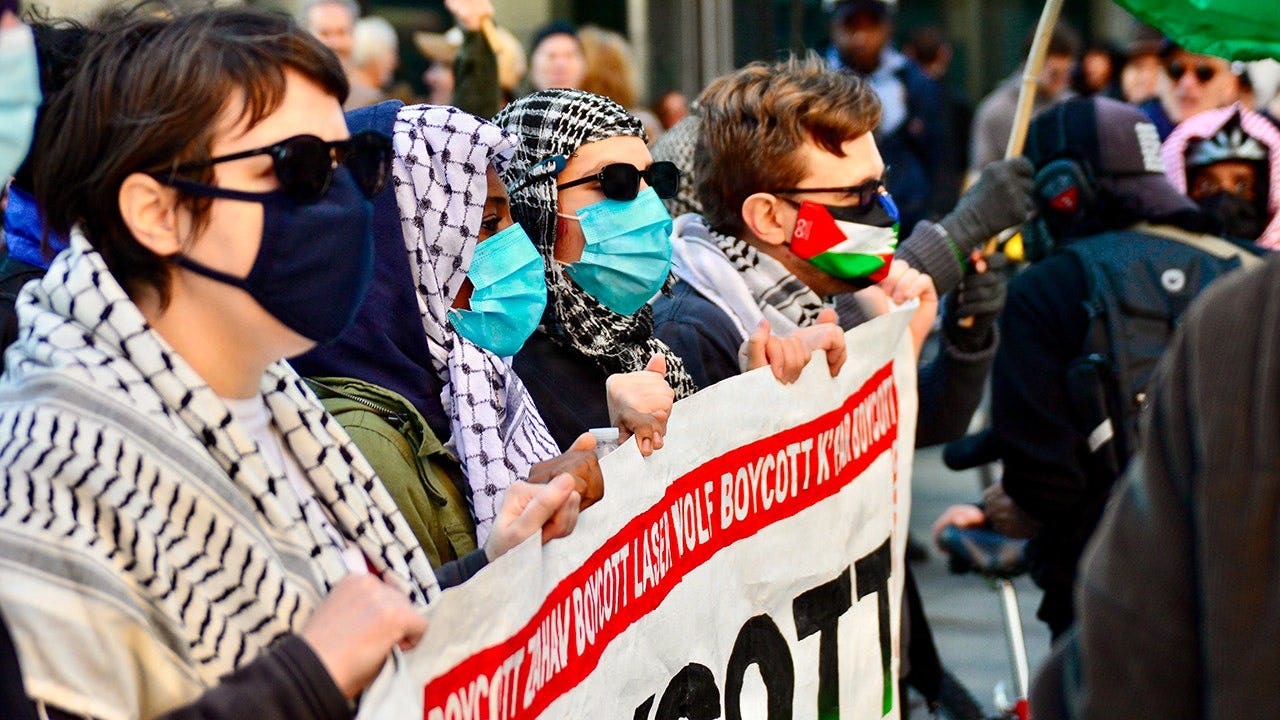
An opinion essay describes an anti-Israel bicycle protest in Philadelphia that targeted six Jewish-owned restaurants and urged customers to boycott them. The demonstration occurred shortly before the anniversary of Kristallnacht, intensifying concerns about antisemitic targeting. Jewish organizations and community supporters responded by patronizing the restaurants; the essay says hundreds attended, with some locations drawing lines around the block. It argues that peaceful public solidarity, free expression, and continued support for Jewish businesses can challenge prejudice without relying on censorship.
Biblical Context
Targeting businesses because they are Jewish conflicts with Scripture’s command to love one’s neighbor and its rejection of partiality. Leviticus 19:18 establishes love of neighbor as a direct moral obligation, while James 2:1-9 condemns discriminatory treatment based on social identity or status. Romans 11:28-29 also provides important context for the treatment of the Jewish people, describing them as beloved for the sake of the patriarchs and affirming that God’s gifts and calling are irrevocable. These passages do not settle every question about criticism of Israel, boycotts, or public protest, but they support rejecting hostility toward Jews as a people and resisting collective blame. The community’s voluntary support for the targeted restaurants can be understood as a practical expression of neighbor-love and solidarity. No specific biblical prophecy is established by this local boycott or the supportive response; the comparison with Kristallnacht is historical rather than prophetic.
Watchmen Signals
Jewish-owned restaurants were singled out for boycott in connection with the owners’ Jewish identity, while supporters responded by defending their neighbors through public patronage. Scripture directly addresses love of neighbor, impartial justice, and the continuing significance of the Jewish people, even though it does not prescribe a particular modern response to political boycotts.
The Philadelphia boycott, the community’s restaurant support, and the reference to Kristallnacht do not correspond to a specific biblical prophecy. Scripture contains important teaching about justice, neighbor-love, and the Jewish people, but the facts supplied do not establish a prophetic event or fulfillment.
The restaurant protest and supportive response occurred previously, and the piece is reflective commentary rather than notice of an immediate escalation or ongoing emergency.
Biblical Sources
Scripture references supporting the biblical context above.
James condemns partiality and discriminatory treatment, providing a clear biblical principle against treating people unjustly because of their identity or social standing.
The command to love one’s neighbor directly supports rejecting hostility and discrimination directed at Jewish business owners and their communities.
Paul describes the Jewish people as beloved for the sake of the patriarchs and affirms that God’s gifts and calling are irrevocable, supporting careful opposition to hostility toward Jews as a people.
Comments
No comments yet.
Sign in to join the conversation.
Sign InStay Informed. Grow in Biblical Understanding.
Explore important news from around the world through the context of God's Word. Create your FREE Watchmen account to discover more news analysis, Biblical Insights, and Scripture-based perspectives.
Create Your FREE AccountFree to join. No credit card required.