CURTIS HILL: DEI is bad for the Black community. Merit is key for Black achievement
The Watchmen's Summary
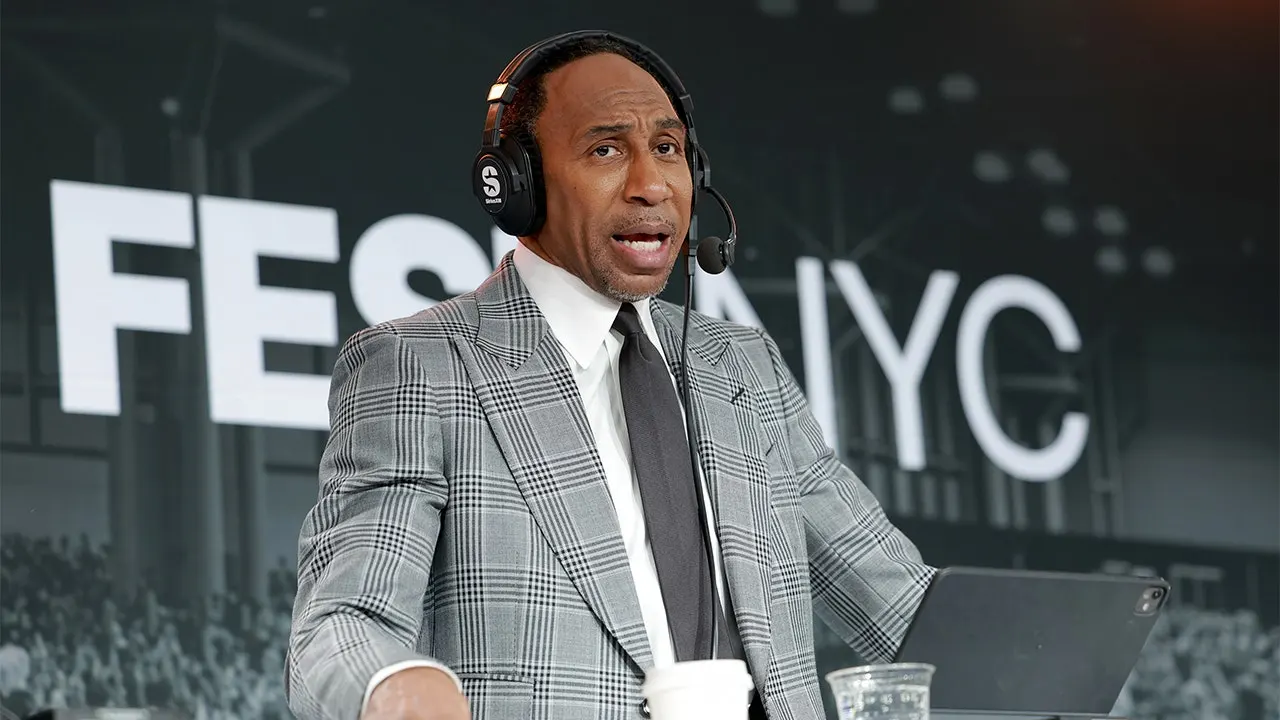
Stephen A. Smith told President Donald Trump that the administration’s aggressive rollback of DEI programs may be discouraging corporations and foundations from supporting historically Black colleges and universities. Trump reportedly acknowledged he had not fully considered that possible chilling effect and said he would examine it. The commentary argues that opposition to racial quotas should be distinguished from hostility toward Black institutions, warning that excessive legal and reputational risk could reduce funding, research, recruiting, and educational opportunities at HBCUs.
Biblical Context
Fair treatment is directly relevant to the debate over racial preferences, discrimination, and the treatment of HBCUs. Leviticus 19:15 commands judges not to show partiality and to judge a neighbor fairly; Deuteronomy 16:19 likewise warns against perverting justice or showing partiality. These passages support the article’s concern that people should not be judged corruptly because of group identity, but they do not by themselves determine whether every race-conscious policy is unjust or whether every colorblind policy produces fair results. James 2:1-9 condemns favoritism based on status and appearance, applying the principle to Christian communities. It reinforces the moral objection to treating people as more or less worthy because of social identity, while also warning against selective concern for the disadvantaged. Acts 10:34-35 teaches that God shows no partiality and accepts people from every nation who fear him and do what is right. That passage supports equal human dignity, although its immediate context is salvation and the inclusion of Gentiles rather than modern admissions, employment, or philanthropy rules. The article’s warning about a possible withdrawal of support also raises questions of responsibility toward institutions and people who may be harmed by public decisions. Proverbs 31:8-9 calls for defending those who cannot adequately speak for themselves and judging righteously. This does not mandate corporate or government funding for HBCUs, but it cautions against indifference when a policy correction may leave legitimate educational opportunities or vulnerable communities without support. Scripture therefore supplies principles of impartial justice, equal dignity, and concern for affected people; it does not endorse the article’s specific constitutional or economic conclusions, nor does it establish that current anti-DEI policies fulfill prophecy.
Watchmen Signals
Debates over race-conscious policies, equal treatment, discrimination, and the possible withdrawal of support from historically Black institutions directly raise biblical questions about impartial justice and responsibility toward people affected by public decisions. Scripture condemns favoritism and commands fair judgment, while also calling leaders and communities to protect those who may be disadvantaged; it does not, however, prescribe a specific modern DEI or HBCU funding policy.
The discussion concerns DEI enforcement, corporate philanthropy, government awards, and HBCU support. Those developments do not correspond to a particular biblical prophecy or distinctive prophetic pattern; any connection is ethical and societal rather than prophetic, and the reported policy disputes should not be presented as evidence of prophetic fulfillment.
The issues described involve an ongoing policy debate and reported funding trends rather than a sudden emergency or rapidly unfolding event requiring immediate notification.
Biblical Sources
Scripture references supporting the biblical context above.
Peter declares that God shows no partiality among nations, supporting the principle of equal human worth, while the passage’s immediate subject remains acceptance before God rather than modern public policy.
Moses instructs judges to administer true justice, reject partiality, and pursue justice, providing a direct biblical principle for evaluating discriminatory or unequal treatment.
James condemns favoritism based on outward status and identity, while calling believers to fulfill the law of love; this illuminates the tension between opposing preferences and caring about disadvantaged communities.
The command to judge fairly without partiality supports the discussion of equal treatment and cautions against decisions based on improper favoritism.
The call to speak for those who cannot speak for themselves and to defend the rights of the poor relates to the article’s warning that policy changes could unintentionally reduce support and opportunity for HBCUs and their students.
Comments
No comments yet.
Sign in to join the conversation.
Sign InStay Informed. Grow in Biblical Understanding.
Explore important news from around the world through the context of God's Word. Create your FREE Watchmen account to discover more news analysis, Biblical Insights, and Scripture-based perspectives.
Create Your FREE AccountFree to join. No credit card required.