Who should police false online health claims? Younger adults blame their generation; older adults point to government, doctors and social media companies
The Watchmen's Summary
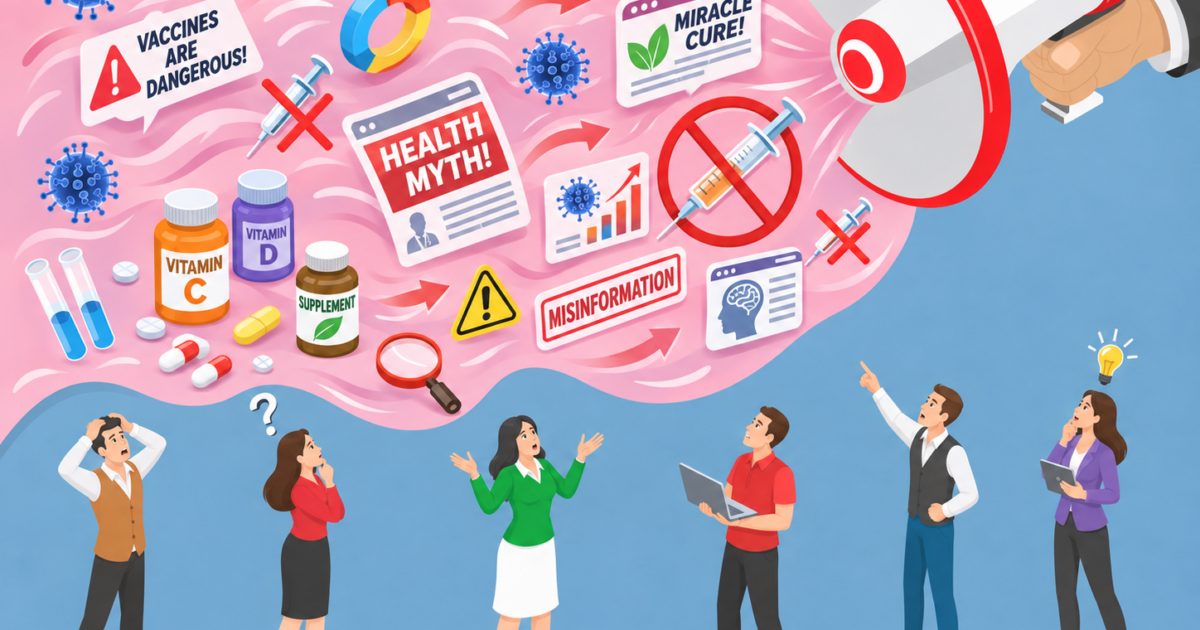
A study of 6,252 U.S. adults from the 2022 National Cancer Institute Health Information Trends Survey found that Americans assign responsibility for false health claims online differently by age and education. Social media companies were the most frequently selected lead actors, at 31.4%, followed by individual users, government, medical providers, and news organizations. Younger adults more often blamed users, while older adults favored institutions. Education effects were more consistent than age effects, but the survey measured opinions rather than actual susceptibility to misinformation and predates today’s AI-generated health content.
Biblical Context
False health claims raise a biblical concern about truthfulness because inaccurate statements can mislead people and potentially affect decisions about their health. The command against bearing false witness in Exodus 20:16 establishes the seriousness of knowingly communicating falsehood, while Proverbs 12:22 contrasts lying lips with truthful conduct. These passages address moral speech rather than modern social-media regulation, so they do not assign responsibility among technology companies, governments, doctors, news organizations, and users. Ephesians 4:25 instructs believers to put away falsehood and speak truthfully to one another. Applied cautiously, that principle supports honest communication and responsible correction of deceptive health information by everyone involved in producing, distributing, evaluating, or sharing it. It does not prove that any particular group identified in the survey has fulfilled or violated a biblical command, especially because the study measured public opinions rather than documented behavior. No specific prophetic passage is established by a survey about online health misinformation or by the article’s reference to AI-generated content.
Watchmen Signals
False health claims can mislead people, and the survey examines who should be responsible for reducing that deception across platforms, institutions, and individual users. Biblical teaching directly addresses truthful speech and rejecting falsehood in passages such as Exodus 20:16, Proverbs 12:22, and Ephesians 4:25, although those texts do not prescribe a modern regulatory arrangement.
The survey reports opinions about responsibility for online health misinformation, not a distinctive event described by a particular prophetic passage. Scripture warns about deception in several contexts, but the age and education differences, platform accountability debate, and rise of AI-generated content do not establish prophetic fulfillment or a specific end-times pattern.
The study provides background analysis of survey responses collected in 2022, with no sudden event, emergency action, or rapidly changing situation requiring prompt notification.
Biblical Sources
Scripture references supporting the biblical context above.
Paul’s instruction to put away falsehood and speak truthfully supports responsible, honest communication, while leaving modern questions of platform and institutional responsibility unresolved.
The prohibition against bearing false witness provides a direct biblical principle concerning the moral seriousness of communicating false or deceptive claims.
This proverb contrasts lying lips with those who act faithfully, supporting the importance of truthfulness in health information and public communication.
Comments
No comments yet.
Sign in to join the conversation.
Sign InStay Informed. Grow in Biblical Understanding.
Explore important news from around the world through the context of God's Word. Create your FREE Watchmen account to discover more news analysis, Biblical Insights, and Scripture-based perspectives.
Create Your FREE AccountFree to join. No credit card required.