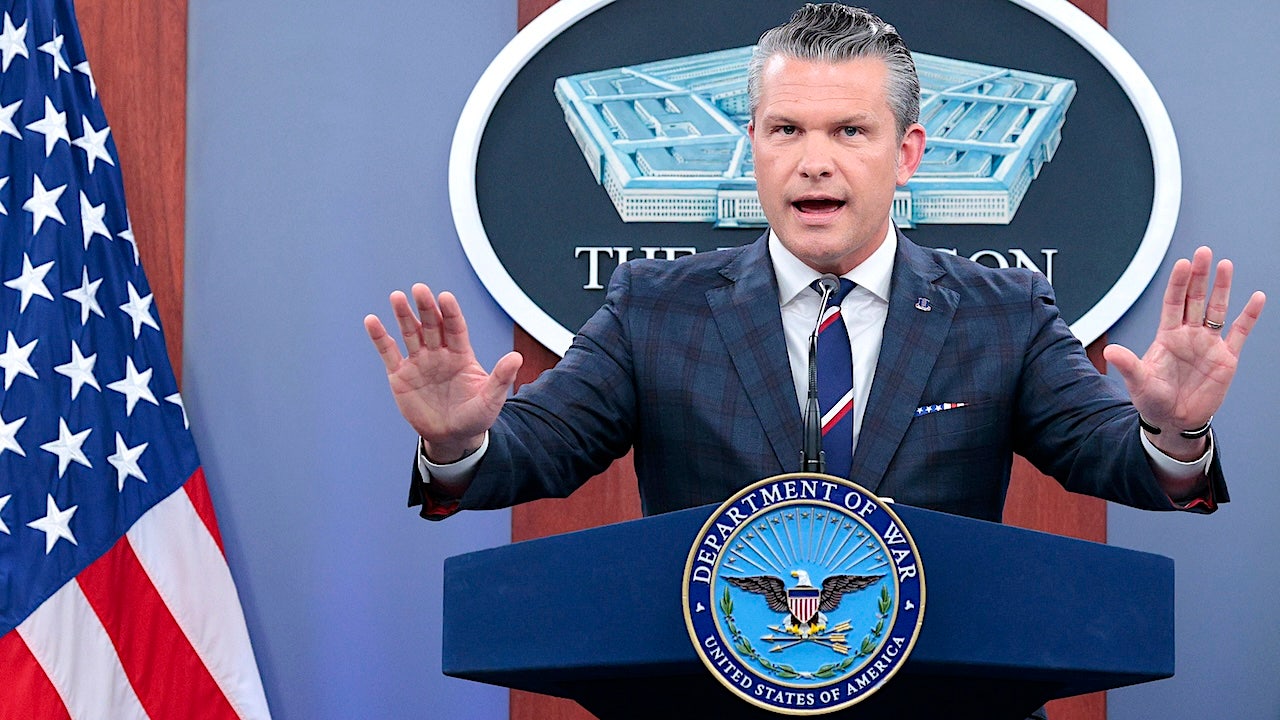
Hegseth labels impeachment push a policy dispute, but do lawmakers' allegations rise to high crimes?
The Watchmen's Summary
Defense Secretary Pete Hegseth rejected an impeachment effort led by Rep. Thomas Massie, calling it an attempt to turn policy disagreements into impeachable offenses. Massie’s eight articles allege violations of congressional war powers, unlawful military operations, failures to protect civilians, retaliation against Sen. Mark Kelly, and abuses involving operations in Iran, Yemen, the Caribbean, and Venezuela. Constitutional scholar Jonathan Turley said most allegations appeared weak but called the maritime-strike and retaliation claims serious enough to warrant further evidence. The House was expected to vote Tuesday on advancing the resolution.
Biblical Context
The allegations place questions of governmental authority, lawful rule, justice, and protection of civilians at the center of the debate. Romans 13:1–4 recognizes governing authority as having a God-ordained responsibility to restrain wrongdoing and promote what is good; it can therefore inform reflection on both lawful executive authority and the obligation of public officials to use power for legitimate purposes. It does not settle the American impeachment process or determine whether Hegseth violated any law. Isaiah 10:1–2 condemns rulers who issue unjust decrees and deprive vulnerable people of justice. In relation to the allegations of unlawful military action and inadequate protection of civilians, the passage supplies a serious biblical warning against using public office in ways that produce injustice. Whether the allegations are true remains unresolved in the supplied report. Micah 6:8 calls God’s people to do justice, love mercy, and walk humbly with God. That principle is relevant to evaluating claims about civilian casualties, military force, official retaliation, and congressional oversight, but it is a general moral framework rather than a direct endorsement of either side’s constitutional argument. Proverbs 31:8–9 likewise calls those with authority to speak for and defend people who cannot adequately protect themselves, which bears on the reported concern over civilian harm. These passages support moral scrutiny of state power without establishing that the current events fulfill biblical prophecy.
Watchmen Signals
The allegations concern the exercise and possible abuse of governmental authority, the use of military force, justice for civilians, and accountability for public officials. Romans 13:1–4, Isaiah 10:1–2, Micah 6:8, and Proverbs 31:8–9 provide relevant principles for evaluating those issues, although Scripture does not prescribe the American impeachment process or establish whether the allegations are true.
The reported war, congressional dispute, and allegations of military misconduct do not correspond closely enough to a particular prophetic passage to support a responsible comparison. Conflict involving Iran or other nations, by itself, is not evidence that a specific biblical prophecy is being fulfilled.
The House is expected to vote shortly on whether to advance the impeachment resolution, making this an evolving constitutional and national-security dispute. It is important to monitor but does not yet involve a confirmed removal, government breakdown, or newly occurring military emergency.
Biblical Sources
Scripture references supporting the biblical context above.
Isaiah condemns rulers who create unjust decrees and deprive vulnerable people of justice. This directly informs moral evaluation of the allegations involving unlawful orders, abuse of office, and civilian harm.
The call to do justice, love mercy, and walk humbly with God supplies a broad biblical standard for assessing military decisions, official conduct, and the treatment of those affected by state action.
These verses instruct people with authority to speak for and defend those who cannot adequately represent themselves, which relates to the reported concerns about protecting civilians and holding officials accountable.
Paul describes governing authority as responsible for restraining wrongdoing and serving the public good. The passage provides a framework for considering both the legitimacy and accountability of executive power, without resolving the American impeachment dispute.
Comments
No comments yet.
Sign in to join the conversation.
Sign InStay Informed. Grow in Biblical Understanding.
Explore important news from around the world through the context of God's Word. Create your FREE Watchmen account to discover more news analysis, Biblical Insights, and Scripture-based perspectives.
Create Your FREE AccountFree to join. No credit card required.