Mojtaba Khamenei aide's chilling '40 years' warning surfaces amid US push for Iran deal
The Watchmen's Summary
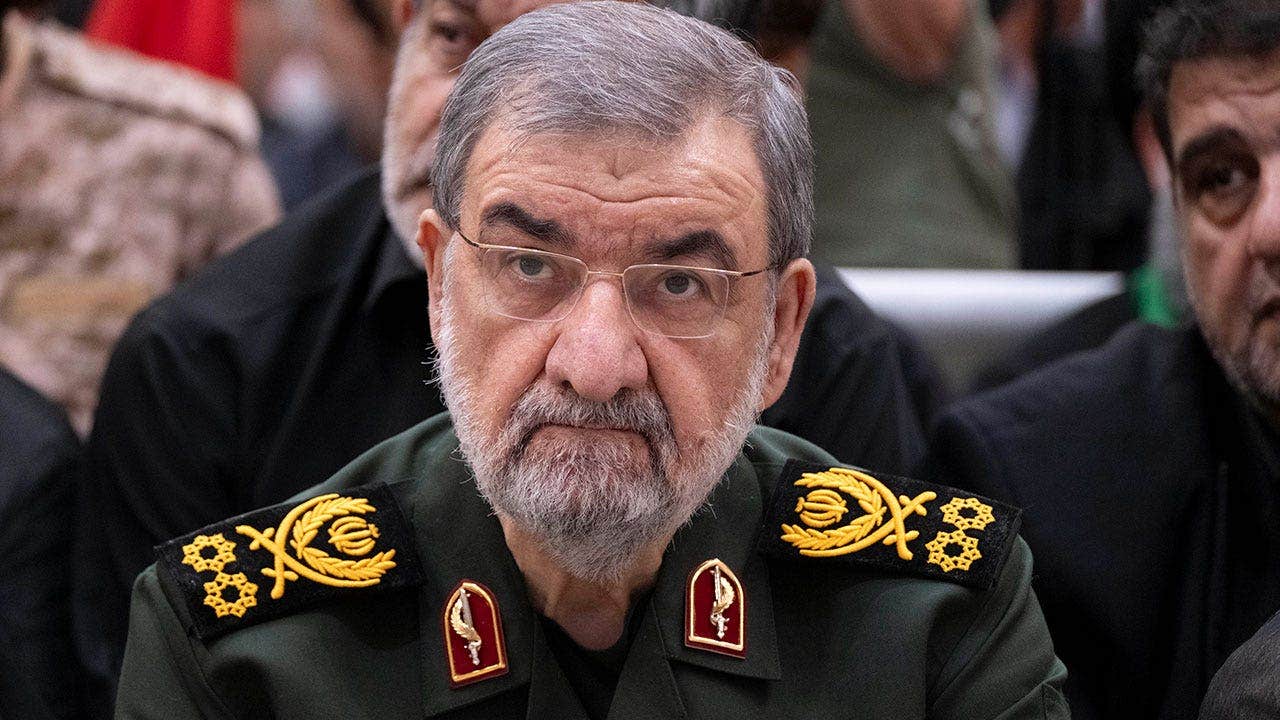
Iranian security official Mohsen Rezaei warned that negotiations during wartime could last decades while both sides remain prepared to fight. The remarks, from a 2006 interview, have resurfaced as the United States reportedly seeks renewed talks with Tehran through Vice President JD Vance. Iranian officials have not confirmed accepting the proposal and continue demanding conditions that include reopening the Strait of Hormuz. President Donald Trump has alternated between saying a deal may be possible and threatening larger military action, leaving diplomacy and escalation both uncertain.
Biblical Context
The possibility of renewed U.S.-Iran fighting and the apparent difficulty of sustaining negotiations place war, peace, and the responsibilities of rulers at the center of the discussion. Jesus’ teaching in Matthew 5:9 commends those who make peace, which supports valuing genuine efforts to end hostilities rather than treating escalation as an end in itself. Luke 14:31-32 uses a king considering whether he can meet a stronger opposing army as an illustration of sober judgment before conflict; it is not a direct prediction about modern Iran or the United States, but it bears on the risks of military decisions and the need to assess consequences carefully. Romans 13:1-4 describes governing authorities as accountable for the use of power and identifies their responsibility to restrain wrongdoing. That passage does not endorse every action taken by a government, but it is relevant to the conduct of U.S. and Iranian leaders, especially when threats, military force, and public claims are used to pursue national objectives. Romans 12:18 urges believers, insofar as it depends on them, to live peaceably with others. This is directed primarily toward personal conduct within the church and society, not a detailed foreign-policy program, yet it supports a preference for de-escalation where peace can be pursued without abandoning justice. The article’s references to prolonged warfare, political pressure, and alleged attacks also underscore the human cost of conflict. James 4:1-2 connects conflicts to disordered desires and contention; it offers a moral diagnosis rather than a geopolitical explanation of this particular dispute. These passages illuminate the ethical questions raised by threats and negotiations, but none identifies the U.S.-Iran confrontation as a prophetic fulfillment. The reported facts do not establish a sufficiently specific correspondence to a particular biblical prophecy.
Watchmen Signals
U.S.-Iran threats, military planning, stalled negotiations, and the prospect of renewed fighting directly raise the biblical concerns of war, peace, national authority, justice, and the consequences of rulers’ decisions. Scripture does not resolve the competing claims in this dispute, but it provides relevant moral principles for assessing the use of force and the pursuit of peace.
The reported correspondence between Washington and Tehran, the threats of renewed strikes, and the possible closure of the Strait of Hormuz do not identify a particular biblical prophecy with sufficient specificity. War, diplomatic breakdown, and Middle Eastern instability are recurring realities addressed broadly in Scripture, but the supplied facts do not establish prophetic fulfillment.
Negotiations and military threats are actively changing, and another strike is being discussed, but the passage does not establish that a new major attack or immediate emergency is underway. The situation warrants close monitoring rather than an urgent alert.
Biblical Sources
Scripture references supporting the biblical context above.
James identifies disordered desires and contention as sources of conflict, offering a moral perspective relevant to the hostility and threatened violence described in the passage.
Jesus’ illustration of a king assessing whether he can withstand an opposing army relates to sober evaluation of the consequences and costs of military action, though it is not a prophecy about this dispute.
Jesus blesses peacemakers, providing a direct ethical basis for valuing sincere efforts to end the reported U.S.-Iran confrontation.
The instruction to live peaceably where possible supports the pursuit of de-escalation, while its immediate context concerns Christian conduct rather than a complete foreign-policy framework.
Paul describes governmental authority as accountable for restraining wrongdoing, providing context for evaluating how national leaders use military power, threats, and diplomacy.
Comments
No comments yet.
Sign in to join the conversation.
Sign InStay Informed. Grow in Biblical Understanding.
Explore important news from around the world through the context of God's Word. Create your FREE Watchmen account to discover more news analysis, Biblical Insights, and Scripture-based perspectives.
Create Your FREE AccountFree to join. No credit card required.