New facial age estimation training datasets from Unidata capture kids, teens aging
The Watchmen's Summary
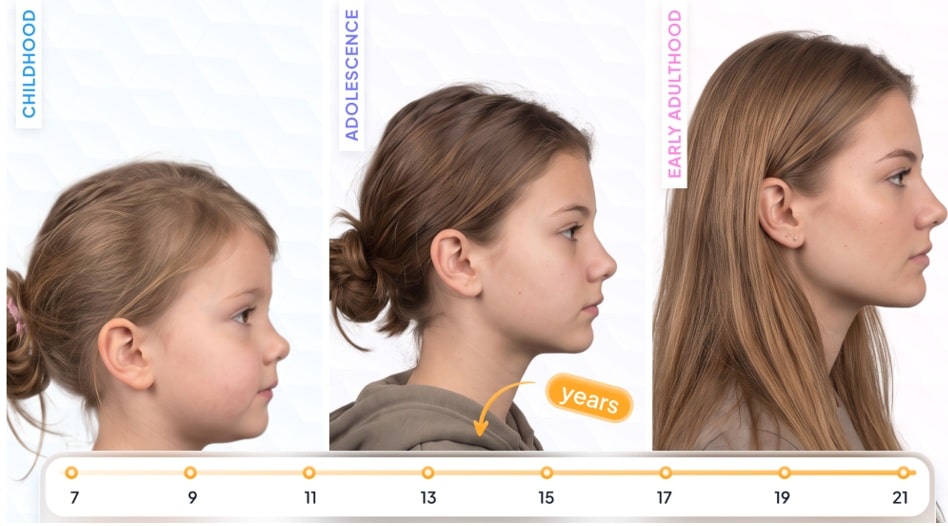
Dubai-based data company Unidata is launching Kids & Teens Aging Datasets, a collection of more than 26,000 facial images from over 2,500 children and teenagers ages 7 to 21. The images span six demographic categories and include some individuals photographed at different ages, along with annotations about accessories and other people in the frame. The company says the datasets will help developers improve facial age-estimation systems, which platforms increasingly use for age assurance but still struggle with narrow age thresholds such as under 13 and under 18.
Biblical Context
Human dignity is relevant because the dataset consists of identifiable or potentially identifiable images of minors, even though the report does not establish that the collection was improper. Genesis 1:27 teaches that human beings bear God's image, providing a foundation for treating each person—not merely their face as data—with respect. Children also receive particular attention in Jesus' teaching. Matthew 18:5-6 uses a child as an example of one who must be received and protected, warning against causing the vulnerable to stumble. That principle does not provide a technical rule for facial biometrics, but it supports careful scrutiny of consent, security, access, and possible misuse when children’s images are collected. Biblical stewardship and accountability also apply by extension. First Corinthians 4:2 teaches that those entrusted with responsibilities must be faithful, while Proverbs 31:8-9 calls for speaking up for people who may lack power to defend their interests. These passages do not predict the development of facial age estimation or settle modern privacy policy; they support responsible handling of minors’ data and transparent safeguards. The article offers no specific basis for connecting the launch to a biblical prophecy.
Watchmen Signals
Children’s facial images are being collected and organized to improve biometric age estimation, raising concrete questions about dignity, stewardship, consent, security, and protection of people who may have limited ability to control how their data is used. Scripture does not address facial age estimation directly, but its teaching about bearing God’s image and caring for children gives these questions genuine moral significance.
Nothing in the launch of a facial age-estimation dataset corresponds to a specific biblical prophecy or distinctive prophetic pattern. The technology may raise legitimate concerns about privacy and automated identity systems, but those concerns should not be presented as evidence that prophecy is being fulfilled.
The company is announcing a new dataset and describing a broader technology trend; no immediate incident, emergency action, or rapidly unfolding consequence requires prompt notification.
Biblical Sources
Scripture references supporting the biblical context above.
The requirement that stewards be found faithful provides a broader principle for responsible, transparent management of data entrusted to organizations.
Human beings are created in God's image, supporting the principle that children represented in biometric datasets must be treated as persons with inherent dignity rather than merely as data points.
Jesus gives special moral weight to receiving and protecting children. The passage informs careful consideration of consent, security, and potential misuse when children’s facial images are collected.
The call to speak for those who cannot adequately speak for themselves supports attention to the interests of minors in decisions about collection, access, and reuse of their biometric data.
Comments
No comments yet.
Sign in to join the conversation.
Sign InStay Informed. Grow in Biblical Understanding.
Explore important news from around the world through the context of God's Word. Create your FREE Watchmen account to discover more news analysis, Biblical Insights, and Scripture-based perspectives.
Create Your FREE AccountFree to join. No credit card required.