Trump's first Iran war escalation post-midterm losses seeks to choke off Tehran’s trade
The Watchmen's Summary
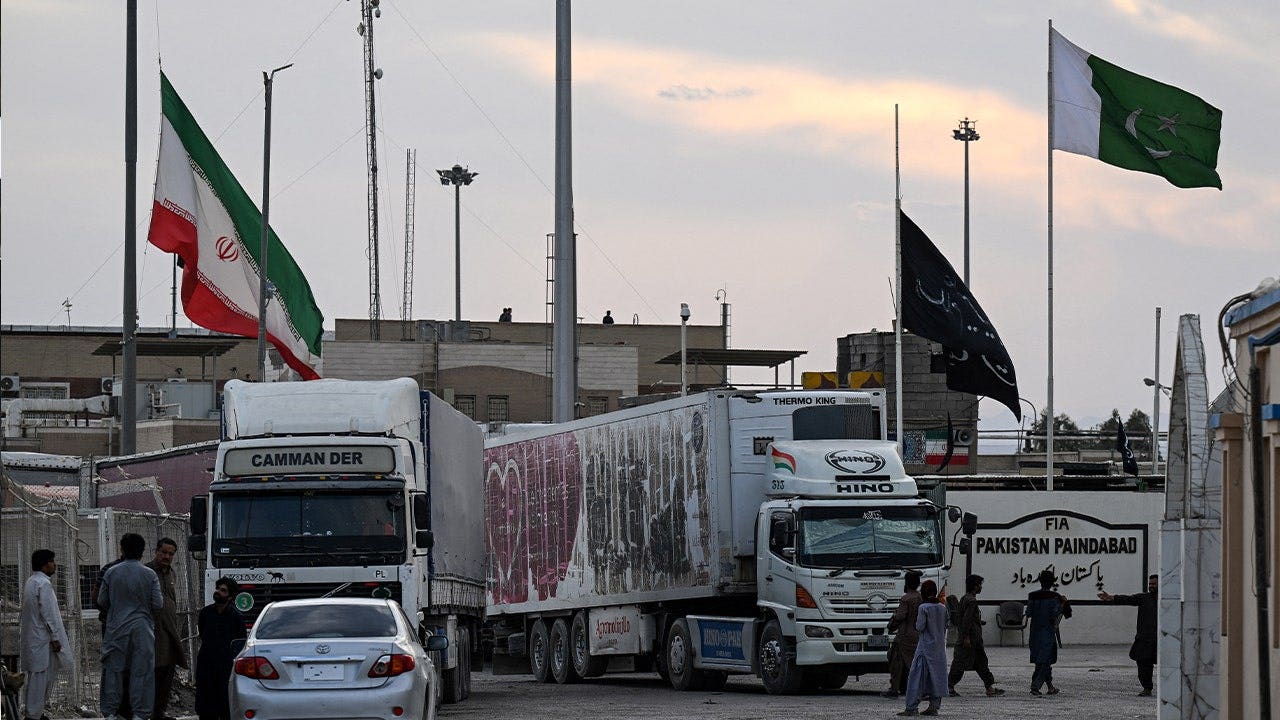
President Donald Trump is expanding pressure on Iran through Task Force Iron Gate, a roughly 20-person coordination cell at U.S. Central Command. The initiative seeks to disrupt Iranian imports of weapons components, dual-use technology, sanctioned materials and illicit revenue through land borders and the Caspian Sea, supplementing a naval blockade. Officials describe economic pressure as an alternative to renewed large-scale strikes, but experts warn Iran may respond more aggressively. The effort follows elections in which voters cited the Iran war and opposed prolonged U.S. involvement.
Biblical Context
The campaign against Iran raises questions Scripture treats seriously: the authority and responsibility of rulers, the dangers of armed conflict, and the pursuit of peace. Romans 13:1-4 describes governing authorities as accountable to God and entrusted with the power to restrain wrongdoing; it does not automatically endorse every military or economic action taken by a government. Applied here, the passage supports examining whether the stated security aims, methods, and consequences are pursued justly and responsibly. Jesus blesses peacemakers in Matthew 5:9, while Luke 14:31-32 uses a king considering war as an example of sober cost assessment before conflict. These passages do not provide a direct judgment on sanctions or a modern blockade, but they make the administration's effort to pressure Iran without restarting full-scale fighting a matter requiring careful evaluation. The article's warnings that Iran could respond aggressively also fit the broader biblical concern that conflict can produce further conflict rather than an immediate settlement. No specific prophetic passage is established by the reported effort to restrict Iran's land and Caspian trade routes. References to Iran as modern Persia, by themselves, are insufficient for a responsible prophecy comparison.
Watchmen Signals
The United States is widening economic and strategic pressure on Iran while trying to avoid renewed full-scale fighting, and officials warn that the policy could provoke retaliation. Scripture repeatedly addresses the authority and accountability of rulers, the dangers of war, and the pursuit of peace, although it does not prescribe a specific modern policy toward Iran.
Restricting Iran's land and Caspian trade routes does not correspond to a specific prophetic passage with enough distinctive detail to support a responsible comparison. Although some interpretations associate biblical Persia with modern Iran, the report does not identify the alliances, targets, or prophetic conditions described in relevant passages, so it does not establish prophetic fulfillment.
CENTCOM has announced a new effort, but its work is described as a long-term intelligence and sanctions project rather than an attack or emergency action already underway. The widening pressure merits close monitoring but does not yet require immediate notification.
Biblical Sources
Scripture references supporting the biblical context above.
Jesus uses a king's careful assessment before entering war to illustrate the importance of counting costs, which relates to the operational, political and escalation risks described in the report.
Jesus identifies peacemaking as blessed, relevant to the administration's stated effort to increase pressure while avoiding a renewed full-scale war.
Paul presents governing authorities as accountable to God and responsible for restraining wrongdoing, providing a framework for examining the stated security purposes and consequences of state action against Iran.
Comments
No comments yet.
Sign in to join the conversation.
Sign InStay Informed. Grow in Biblical Understanding.
Explore important news from around the world through the context of God's Word. Create your FREE Watchmen account to discover more news analysis, Biblical Insights, and Scripture-based perspectives.
Create Your FREE AccountFree to join. No credit card required.