Chance of US-Iran agreement now greater than two months ago, expert tells Post
The Watchmen's Summary
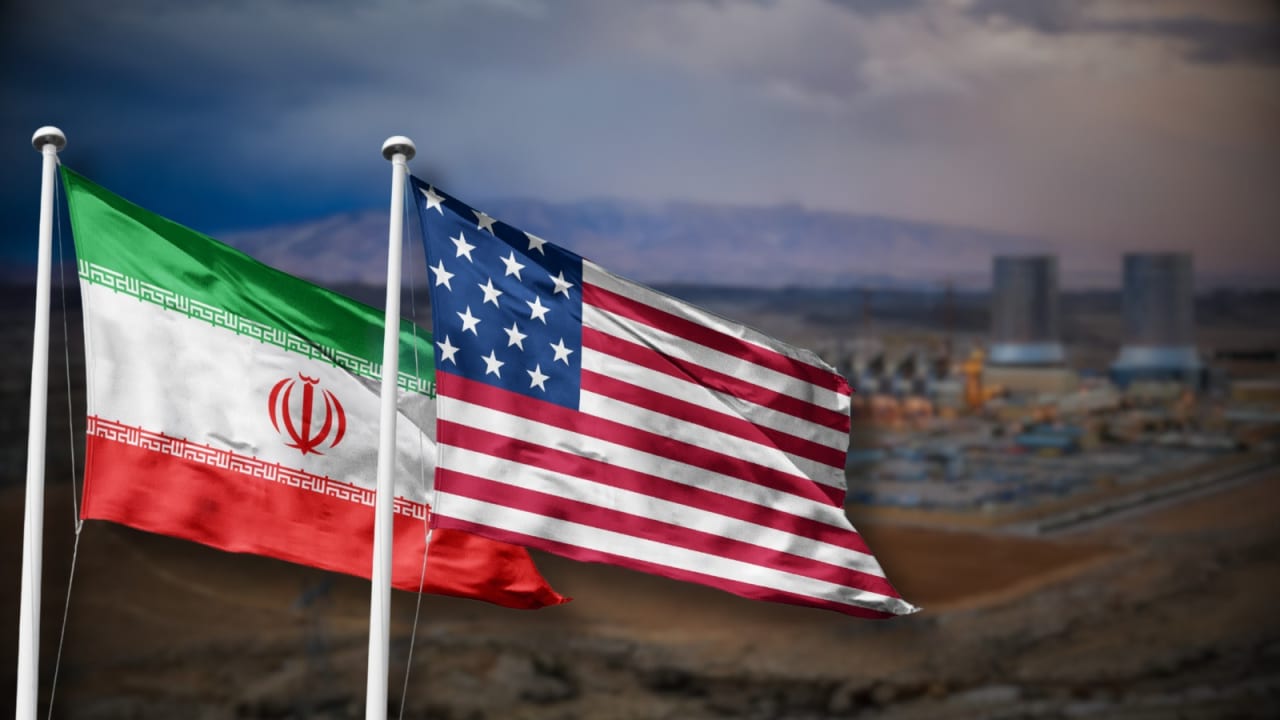
U.S.-Iran negotiations may now have a better chance of ending the current conflict, according to Sima Shine, a former senior Mossad official and Iran analyst. She says President Donald Trump and Iran’s leaders face political, economic, and seasonal pressure to avoid renewed fighting. Major obstacles remain, particularly Iran’s insistence on retaining uranium-enrichment rights and Washington’s opposition to an Iranian nuclear weapon. If talks fail, possible attacks on Iranian nuclear facilities—including Pickaxe Mountain—could further escalate tensions and create radiation risks.
Biblical Context
The possibility of renewed fighting between Washington and Tehran, threats involving Israel, and decisions by national leaders connect with several biblical teachings about government, warfare, and the pursuit of peace. Romans 13:1-4 describes civil authorities as accountable to God for restraining wrongdoing and exercising power responsibly; it does not endorse every decision made by a government, but it underscores the seriousness of state power. That principle is relevant when leaders weigh military action, nuclear risks, and the protection of civilians. Jesus’ teaching in Matthew 5:9 commends peacemakers, while 1 Timothy 2:1-2 urges prayer for kings and all in authority so that people may live peaceful and orderly lives. Those passages support concern for negotiations that might prevent renewed conflict, without implying that every proposed agreement is just or safe. James 4:1-2 identifies conflict as arising from human desires and disputes, offering a broader moral explanation for why suspicion, pride, and competing interests can obstruct peace. These teachings illuminate the reported tensions, but they do not identify a specific prophetic fulfillment. The article’s references to Israel and possible attacks on Iranian facilities should not be treated as proof of Ezekiel 38–39 or another particular prophecy. The reported facts describe a contemporary dispute over diplomacy, military pressure, and nuclear capabilities, while the article does not establish the distinctive participants, circumstances, or divine intervention described in those prophetic passages.
Watchmen Signals
U.S.-Iran negotiations, possible attacks on nuclear facilities, threats involving Israel, and decisions by national leaders all concern warfare, civil authority, peacemaking, and the protection of human life—subjects Scripture addresses directly. These biblical teachings help assess the responsibilities and dangers involved, though they do not validate every political claim or establish a prophetic fulfillment.
The reported negotiations, uranium-enrichment dispute, possible attacks, and regional tensions do not correspond closely enough to a particular prophetic passage. Israel’s involvement and the possibility of war are insufficient by themselves to identify Ezekiel 38–39 or another prophecy as being fulfilled.
Talks may be moving toward an agreement, but significant obstacles remain and military action could still follow if negotiations fail. The situation is fragile and evolving, though the article does not report an immediate attack or other event requiring urgent notification.
Biblical Sources
Scripture references supporting the biblical context above.
Paul calls Christians to pray for rulers and authorities so that people may live peaceful and orderly lives, directly relating to the decisions of U.S. and Iranian leaders amid the threat of escalation.
James links conflicts and quarrels to disordered human desires, offering a broader moral lens for the mistrust, competing demands, and personal tensions described in the negotiations.
Jesus’ commendation of peacemakers provides a direct biblical basis for valuing negotiations that could prevent renewed U.S.-Iran warfare, while not automatically approving every agreement.
These verses describe governmental authority as accountable to God and responsible for restraining wrongdoing, which illuminates the serious responsibilities of leaders considering military action and nuclear policy.
Comments
No comments yet.
Sign in to join the conversation.
Sign InStay Informed. Grow in Biblical Understanding.
Explore important news from around the world through the context of God's Word. Create your FREE Watchmen account to discover more news analysis, Biblical Insights, and Scripture-based perspectives.
Create Your FREE AccountFree to join. No credit card required.