AI-generated photos, duplicate registrations trigger Nigeria election biometric cleanup
The Watchmen's Summary
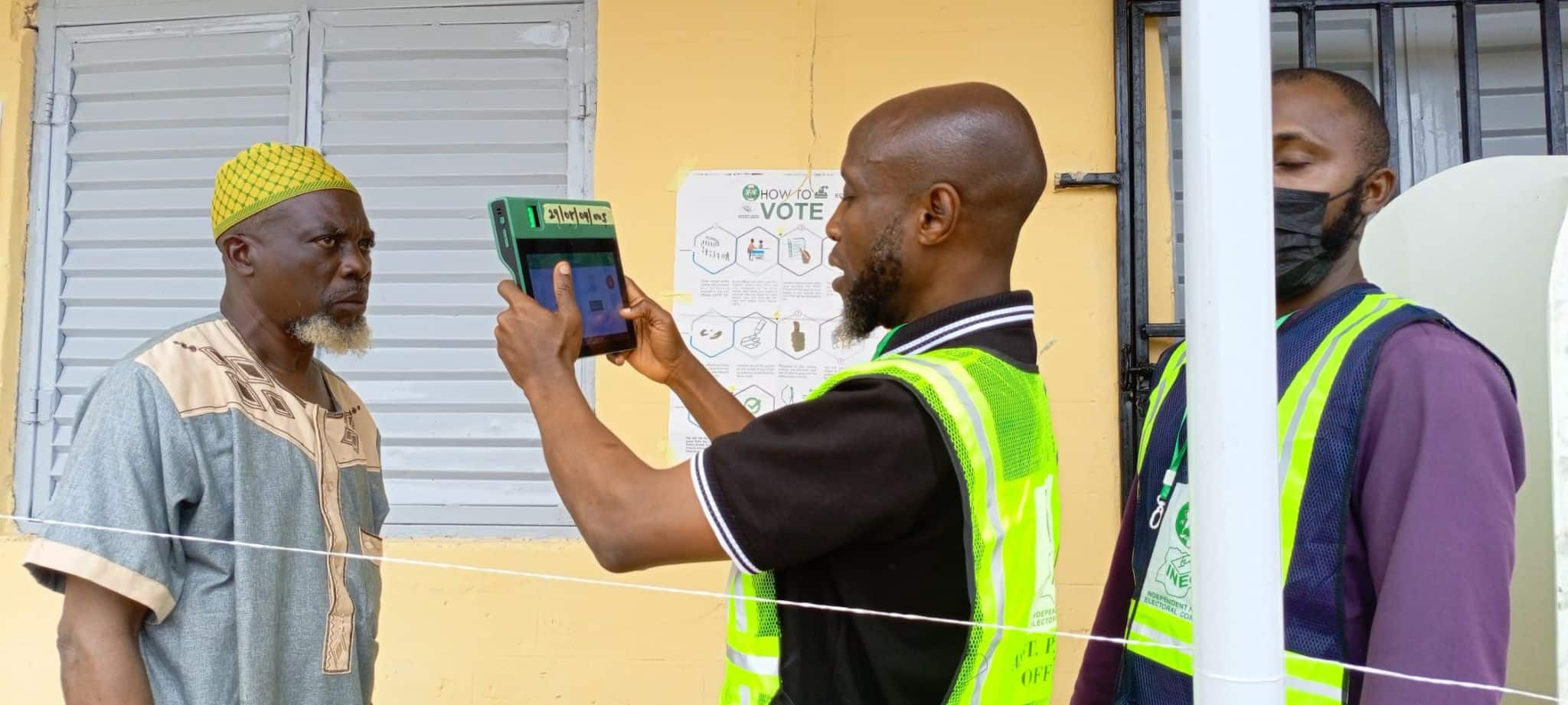
Nigeria’s Independent National Electoral Commission says it has removed more than 1.6 million questionable voter records through biometric screening and additional reviews ahead of the 2027 elections. Of 268,000 records formally adjudicated, 217,722 were declared invalid, while 50,278 were retained. INEC also identified 54 personnel in 10 states allegedly involved in registration irregularities, including the use of AI-generated photographs. The commission is combining automated detection with human review and plans to expand AI and BVAS use to strengthen electoral credibility.
Biblical Context
Fabricated voter photographs, manipulated identities, and dishonest registration practices directly raise the biblical concern for truthful testimony. Exodus 20:16 prohibits bearing false witness, while Proverbs 12:22 contrasts lying lips with faithfulness and truth. Those passages do not prescribe a modern biometric system, but they establish a clear moral objection to creating false identities or deceptive evidence. The integrity of public administration is also addressed in Deuteronomy 16:18-20, where judges and officials are commanded to administer justice, reject partiality, and avoid bribes. INEC’s investigation of registration officers and its effort to certify an accurate voter register can be compared with that principle: officials entrusted with public authority should protect fair civic processes rather than manipulate them. This is an application of biblical teaching about honest and just governance, not a claim that the passage specifically predicts Nigeria’s electoral technology. No particular prophetic passage is established by these facts. The use of AI, electoral fraud, and institutional review may evoke broad themes of deception and accountability, but those general similarities do not demonstrate fulfillment of a specific biblical prophecy.
Watchmen Signals
Fabricated voter photographs, manipulated identities, and deceptive registration practices conflict with Scripture’s demands for truthful testimony and faithful dealings. Deuteronomy’s instructions for officials to administer justice also speak to INEC’s responsibility to protect an accurate register and fair elections, even though the Bible does not address biometric systems specifically.
Nigeria’s voter-register review and the use of AI to detect or create false identities do not correspond to a specific prophetic passage. Scripture’s warnings about deception and accountability provide moral principles for evaluating the situation, but those broad themes do not establish that a prophecy is being fulfilled.
INEC is still reviewing flagged records, disciplining implicated personnel, and preparing safeguards before the final voter register and upcoming elections. The process deserves monitoring, but the information does not describe an immediate emergency or rapidly unfolding national crisis.
Biblical Sources
Scripture references supporting the biblical context above.
The commands to appoint capable officials, administer justice, reject partiality, and pursue what is right provide a biblical framework for evaluating electoral administration and investigations of official irregularities.
The prohibition against false testimony supports the concern that fabricated photographs, manipulated identities, and false voter records undermine truthfulness.
The contrast between lying lips and those who act faithfully relates to deceptive registration records and the duty of election officials to maintain truthful databases.
Comments
No comments yet.
Sign in to join the conversation.
Sign InStay Informed. Grow in Biblical Understanding.
Explore important news from around the world through the context of God's Word. Create your FREE Watchmen account to discover more news analysis, Biblical Insights, and Scripture-based perspectives.
Create Your FREE AccountFree to join. No credit card required.