Combat experience fuels boom in Israel’s defense-tech sector
The Watchmen's Summary
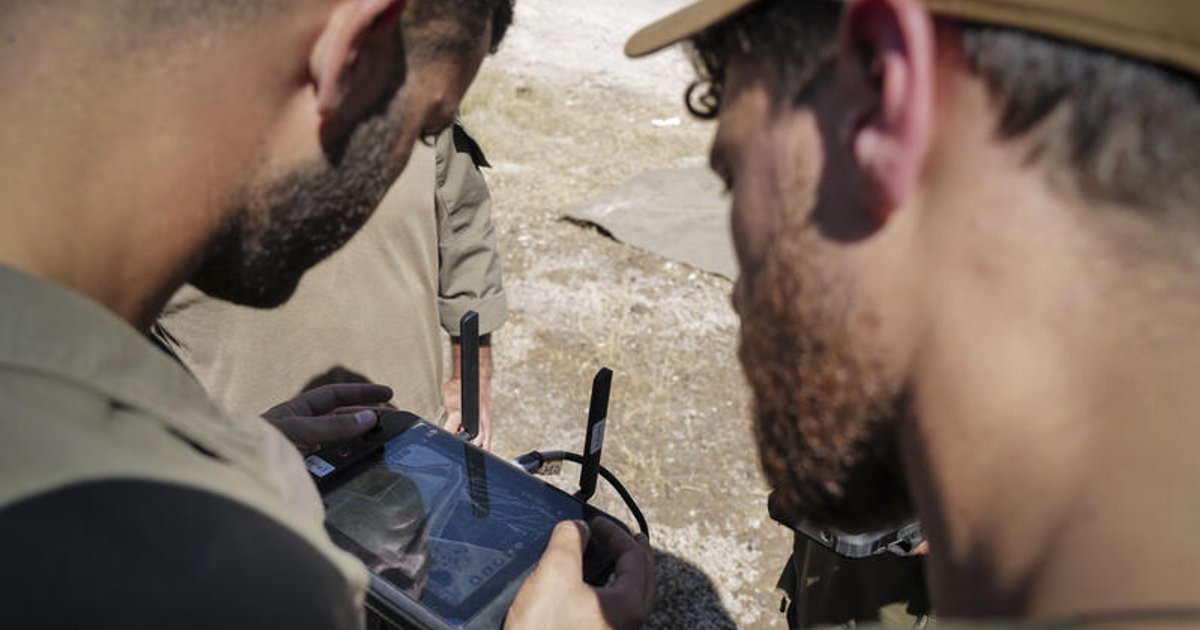
Israel’s defense-technology sector is drawing increased international investment as military companies apply lessons from combat since the October 7, 2023, outbreak of the Iron Swords War. Industry leaders say funding could rise from about $360 million in 2025 to $1 billion in 2026, while development timelines have fallen from as long as two years to several weeks. Speakers also cited rising global defense spending and demand linked to Ukraine, Iran, East Asia, unrest, and crime, while acknowledging political risks surrounding investment in Israel.
Biblical Context
Military preparedness and the limits of military power are both addressed in Scripture. Romans 13:1-4 describes civil authorities as having a legitimate responsibility to restrain wrongdoing and “bear the sword,” which can illuminate a government’s duty to protect its population and maintain public order. That principle does not by itself endorse every weapon, policy, or military action reported here. Psalm 20:7 places confidence in God rather than in military assets: some trust in chariots and horses, while God’s people are called to remember the Lord. The passage provides a direct caution against treating advanced technology, battlefield performance, or national defense capacity as an ultimate guarantee of security. James 4:1-2 identifies human passions and conflicts as sources of war and violence, helping explain the broader instability and security demand described in the report. These passages address war, authority, violence, and human reliance on force; they do not identify the investment surge or Israel’s defense-tech sector as a particular prophetic fulfillment. Scripture therefore supplies meaningful moral and theological context without establishing a specific end-times event.
Watchmen Signals
Israel’s defense industry is expanding through combat experience, weapons development, and preparation for threats arising from war and international instability. Scripture directly addresses the responsibilities of governing authorities, the causes of human conflict, and the limits of military strength, although it does not specifically endorse the technologies or investment figures described here.
The report describes rising defense investment, battlefield innovation, and concern about Iran and other conflicts, but it does not present a distinctive coalition, invasion, diplomatic alignment, or other feature tied to a particular prophetic passage. Those broad conditions resemble biblical discussions of war without establishing that a specific prophecy is unfolding.
The figures and trends describe ongoing investment, battlefield lessons, and expected future spending rather than a sudden attack, emergency decision, or rapidly changing crisis requiring immediate notification.
Biblical Sources
Scripture references supporting the biblical context above.
James connects conflicts and violence with human desires, offering biblical context for the wars, unrest, and security pressures described as drivers of defense spending.
The psalm contrasts reliance on military strength with trust in God, cautioning against treating weapons, technology, or national power as the ultimate source of security.
Paul describes governing authorities as responsible for public order and possessing the authority to punish wrongdoing, providing context for a state’s defense and security responsibilities.
Comments
No comments yet.
Sign in to join the conversation.
Sign InStay Informed. Grow in Biblical Understanding.
Explore important news from around the world through the context of God's Word. Create your FREE Watchmen account to discover more news analysis, Biblical Insights, and Scripture-based perspectives.
Create Your FREE AccountFree to join. No credit card required.