No Arrests After Muslim Gunmen Kill 6 in Plateau Attacks
The Watchmen's Summary
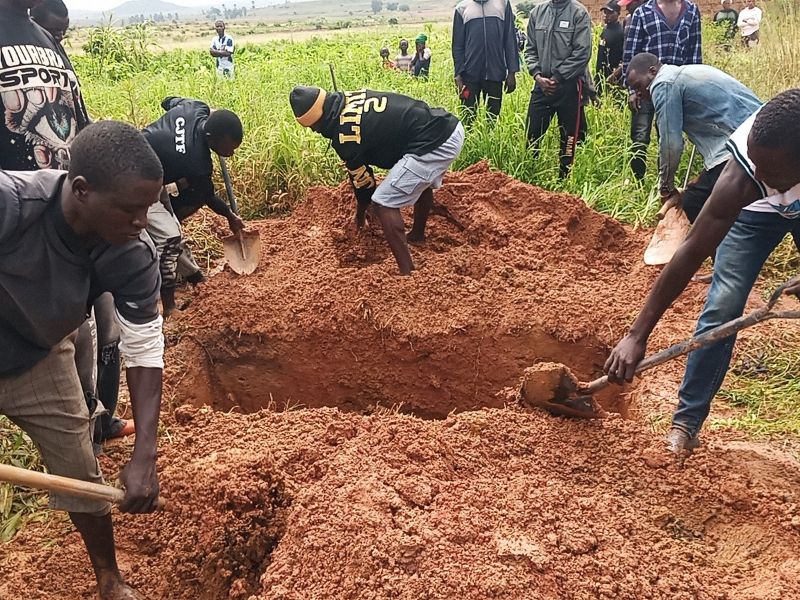
At least six people, including a Nigerian soldier, were killed in two attacks on predominantly Christian communities in Plateau State on November 8. Four people died in Bel village, while two others were killed in Lakas community near the Mangu-Pankshin border. Residents reported injuries, fear, restricted access to farms, and concern about attending church. Witnesses alleged that Fulani extremists carried out the attacks, but those claims were not independently verified. No arrests had been reported, and local advocates warned of continuing violence and displacement.
Biblical Context
The killing of civilians in predominantly Christian communities, the reported fear of attending church, and the loss of access to farms bring several direct biblical concerns into view. Jesus identifies those persecuted for righteousness as people who should expect God’s attention and promises blessing to those who endure such treatment (Matthew 5:10–12). That passage does not verify the identity or motives of the attackers, but it speaks directly to the experience of believers facing violence because of their faith. Hebrews 13:3 calls Christians to remember prisoners and those being mistreated as though suffering alongside them. The passage supports prayerful solidarity and practical concern for residents who have been killed, injured, displaced, or afraid to worship. Psalm 82:3–4 commands the defense of the weak and vulnerable and calls for their rescue from the hand of the wicked. Applied cautiously, it underscores the moral duty of authorities and communities to protect civilians and pursue justice. Romans 13:1–4 describes governing authority as having a responsibility to restrain wrongdoing and punish evil. It does not establish that Nigerian officials have met or failed that standard, but it provides a relevant framework for evaluating the reported lack of arrests and residents’ allegations that authorities did not protect them. Scripture also does not identify these attacks as fulfillment of a particular end-times prophecy; the facts show a grave pattern of violence and persecution, not a distinct prophetic event.
Watchmen Signals
Christian civilians were killed, communities were attacked, and residents said they feared attending church and could no longer safely reach their farms. Scripture directly addresses persecution, solidarity with the mistreated, protection of vulnerable people, and the responsibility to pursue justice, while leaving the attackers’ identity and motives to factual investigation.
The attacks resemble the recurring biblical reality of persecution and violence against believers, but the available facts do not correspond to a distinctive prophetic passage or establish fulfillment of an end-times event. They are best understood as a grave instance of persecution and insecurity, not as a demonstrated prophecy fulfillment.
The attacks occurred only two days before publication, no arrests had been made, and local leaders warned that surrounding communities remained exposed to further violence. The situation warrants close attention, though the attacks were not described as an active, rapidly expanding emergency.
Biblical Sources
Scripture references supporting the biblical context above.
Believers are instructed to remember prisoners and those being mistreated as though they were suffering with them. The passage supports Christian solidarity with victims, displaced residents, and others living under threat.
Jesus addresses people who suffer persecution for righteousness and encourages them to endure faithfully. This directly relates to Christian residents reportedly facing attacks and fear because they live and worship in targeted communities.
The psalm calls for justice for the weak and vulnerable and for their rescue from the wicked. That principle bears directly on the protection of civilians and accountability for violent attacks, while not determining the facts of this particular case.
Paul presents governing authority as responsible for restraining wrongdoing and punishing evil. This provides a biblical framework for considering reports that no arrests had been made and that residents believed authorities failed to protect them.
Comments
No comments yet.
Sign in to join the conversation.
Sign InStay Informed. Grow in Biblical Understanding.
Explore important news from around the world through the context of God's Word. Create your FREE Watchmen account to discover more news analysis, Biblical Insights, and Scripture-based perspectives.
Create Your FREE AccountFree to join. No credit card required.