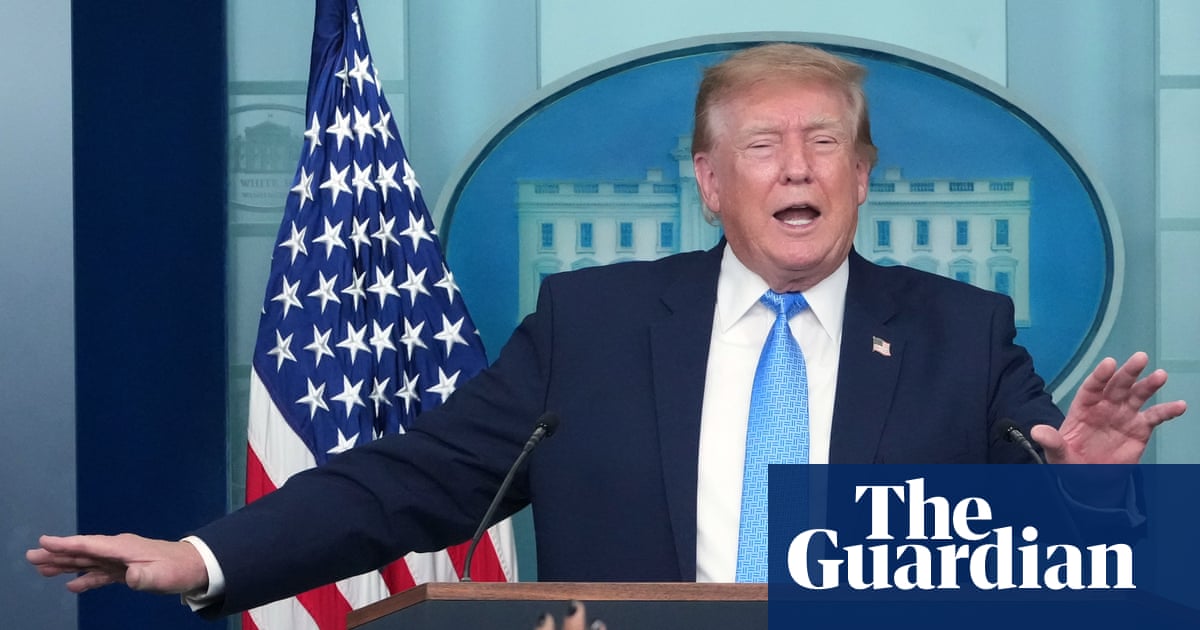
Trump says US war in Iran ‘effectively over’ as he plays down escalation concerns
The Watchmen's Summary
President Donald Trump said the war with Iran was “effectively over” and that renewed US military action was currently unnecessary, while warning that American forces remained ready to respond if conditions changed. His comments followed talks with Qatar’s prime minister and appeals from Gulf states to avoid renewed fighting. The statements came after a nearly nine-month conflict, continued US troop movements, and a major Republican election defeat that Vice President JD Vance linked partly to the war. No final peace agreement has been confirmed.
Biblical Context
A prolonged war involving Iran, Israel, the United States, and Gulf states raises questions Scripture addresses about armed conflict, government authority, protection of populations, and the pursuit of peace. Romans 13:1-4 describes governing authorities as having responsibility to restrain wrongdoing and uphold public order; that principle can inform discussion of military power without automatically endorsing any particular policy or use of force. The uncertainty surrounding possible renewed fighting also connects with Jesus’ warning that nations and kingdoms would rise against one another and that wars would continue as part of a troubled age (Matthew 24:6-7). This is a general description of conflict, not evidence that the specific Iran war fulfills a particular prophecy. Paul’s instruction in 1 Timothy 2:1-2 calls believers to pray for rulers so that societies may experience peace and stability, a fitting response to leaders weighing escalation, deterrence, and negotiations. The reported events do not provide the distinctive coalition, invasion, or divine intervention needed to identify a specific prophetic fulfillment.
Watchmen Signals
War involving Iran, Israel, the United States, and neighboring Gulf states brings into view Scripture’s sustained teaching about nations in conflict, the authority and responsibilities of rulers, and the pursuit of peace. Those principles illuminate the reported military threats and diplomatic efforts, while leaving the wisdom and legitimacy of particular policies to further evaluation.
The reported ceasefire claims, troop movements, blockade, and threats of renewed action do not establish the distinctive features of a particular biblical prophecy. War involving Israel or Iran may prompt comparisons with prophetic passages, but the facts provided are too general and incomplete to support a responsible fulfillment claim.
The conflict is described as moving toward an end, but U.S. forces remain ready to resume full-scale action and the status of negotiations is uncertain. The situation warrants close monitoring, though no new attack or immediate escalation is described.
Biblical Sources
Scripture references supporting the biblical context above.
Paul urges prayer for rulers so that people may live peaceful and orderly lives, directly relating to the responsibilities of leaders facing decisions about escalation and negotiation.
Jesus refers to wars and conflicts among nations as features of a troubled age. The passage relates to the reported fighting but does not identify this particular conflict as a specific prophetic fulfillment.
Paul describes the governing authority’s responsibility to restrain wrongdoing and uphold public order, providing relevant context for evaluating the actions and claimed responsibilities of national leaders during war.
Comments
No comments yet.
Sign in to join the conversation.
Sign InStay Informed. Grow in Biblical Understanding.
Explore important news from around the world through the context of God's Word. Create your FREE Watchmen account to discover more news analysis, Biblical Insights, and Scripture-based perspectives.
Create Your FREE AccountFree to join. No credit card required.