TED JENKIN: Europe is burning because people can't pay their bills. America should pay attention
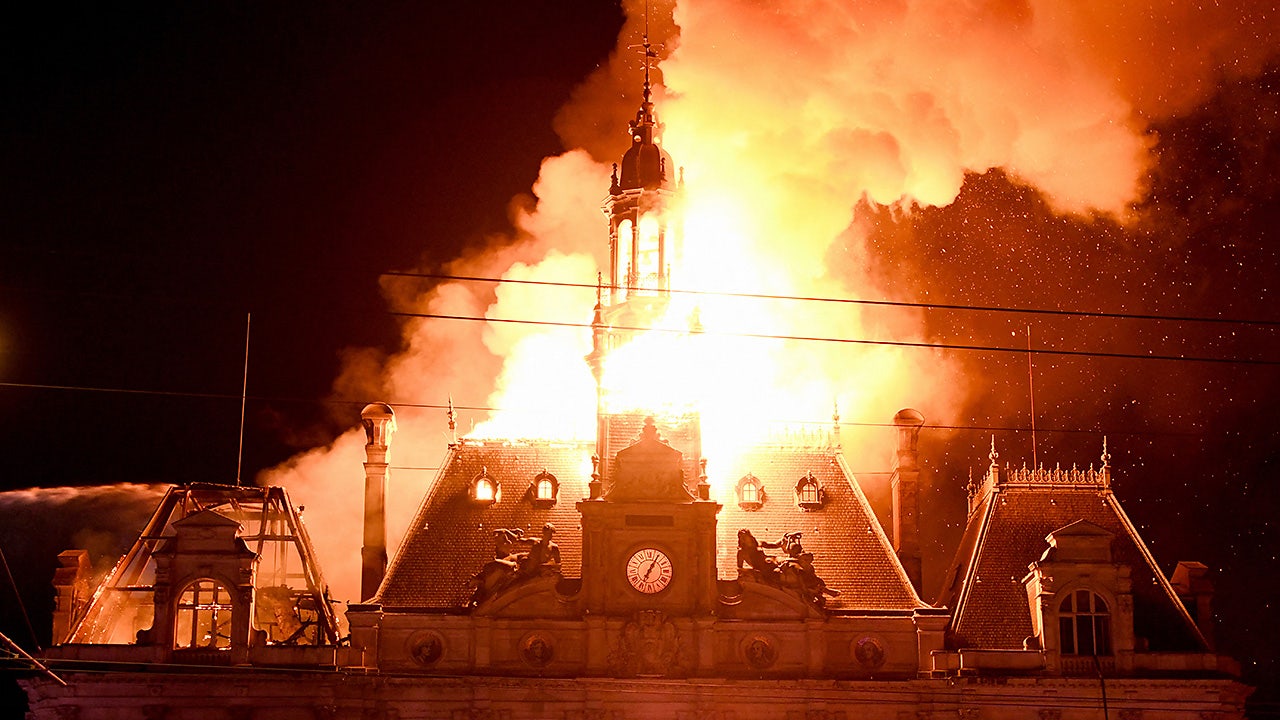
The Watchmen's Summary
The commentary argues that rising living costs are fueling public frustration in France and Italy and could create similar pressure in the United States. It points to protests over wages, housing, public services and affordability, while describing American families facing higher costs for groceries, housing, insurance, childcare and education. The piece also warns that household debt and more than $40 trillion in U.S. federal debt could limit responses to future economic shocks, urging greater housing supply, wage growth, competitive markets and fiscal discipline.
Biblical Context
Families unable to meet basic expenses, workers concerned about fair compensation, and governments making decisions that affect the vulnerable are all subjects Scripture addresses directly. James 5:4 condemns employers who withhold wages from laborers, while Deuteronomy 24:14-15 requires prompt and fair payment to poor workers. These passages support concern for people who work yet remain unable to secure necessities, although they do not prescribe a modern housing, taxation or monetary policy. The article also describes households relying on debt and struggling to plan for the future. Proverbs 22:7 warns that the borrower becomes servant to the lender, and Luke 14:28 commends counting the cost before undertaking a project. Together, these passages illuminate the risks of persistent household indebtedness and the importance of prudent financial planning, without implying that every debt-burdened family has acted irresponsibly. The article specifically distinguishes working families, retirees and others facing high costs from people unwilling to work; 2 Thessalonians 3:10-12 addresses idleness and disorder, not people who are willing to work but cannot make necessities affordable. Scripture also treats rulers as accountable for justice. Romans 13:1-4 describes government authority as intended to restrain wrongdoing and promote public good, while Amos 5:11-15 condemns exploitation of the poor and calls leaders to establish justice. These texts provide a framework for evaluating public decisions affecting wages, services, taxation and economic opportunity, but they do not validate the article's particular policy recommendations or prove that current protests fulfill prophecy. No specific prophetic passage is established by the reported protests, inflation pressures or government debt. Public frustration and social disorder can resemble broad biblical warnings about injustice and unrest, but the supplied facts do not contain the distinctive elements needed to identify a particular prophecy or claim fulfillment.
Watchmen Signals
Working families, indebted households, vulnerable workers and the decisions of public authorities are central to the circumstances described. Scripture addresses fair wages, protection of the poor, responsible stewardship and governmental justice, although it does not endorse the commentary's specific economic remedies or its historical prediction about unrest.
The protests, high living costs and government debt do not correspond to a particular prophetic passage with distinctive identifying features. They may resemble broad biblical warnings about injustice or disorder, but the supplied facts do not establish that any prophecy is being fulfilled.
The discussion provides historical comparison and economic commentary about ongoing affordability concerns rather than announcing a sudden escalation or immediate crisis requiring prompt notification.
Biblical Sources
Scripture references supporting the biblical context above.
Paul addresses people unwilling to work and urges orderly labor; this helps distinguish biblical teaching about idleness from the article's account of people who are working but facing unaffordable costs.
Amos condemns the exploitation of the poor and calls for justice, directly relating to economic inequality, public leadership and the treatment of vulnerable people.
This law requires fair and timely payment to vulnerable workers, supporting the article's concern for people who work while struggling to meet basic needs.
James condemns the withholding of wages from laborers, directly illuminating concerns about workers' compensation and economic injustice.
Jesus uses the example of calculating the cost before building to teach deliberate planning, a relevant principle for household borrowing and financial commitments.
The proverb warns about the controlling effect of debt, which relates to households using credit cards and buy-now-pay-later arrangements to cover ordinary expenses.
Paul describes governing authority as responsible for public order and the good, providing a framework for considering the duties and limits of government amid economic strain.
Comments
No comments yet.
Sign in to join the conversation.
Sign InStay Informed. Grow in Biblical Understanding.
Explore important news from around the world through the context of God's Word. Create your FREE Watchmen account to discover more news analysis, Biblical Insights, and Scripture-based perspectives.
Create Your FREE AccountFree to join. No credit card required.