Rubio defends Trump's Iran war as not 'necessarily popular, but necessary'
The Watchmen's Summary
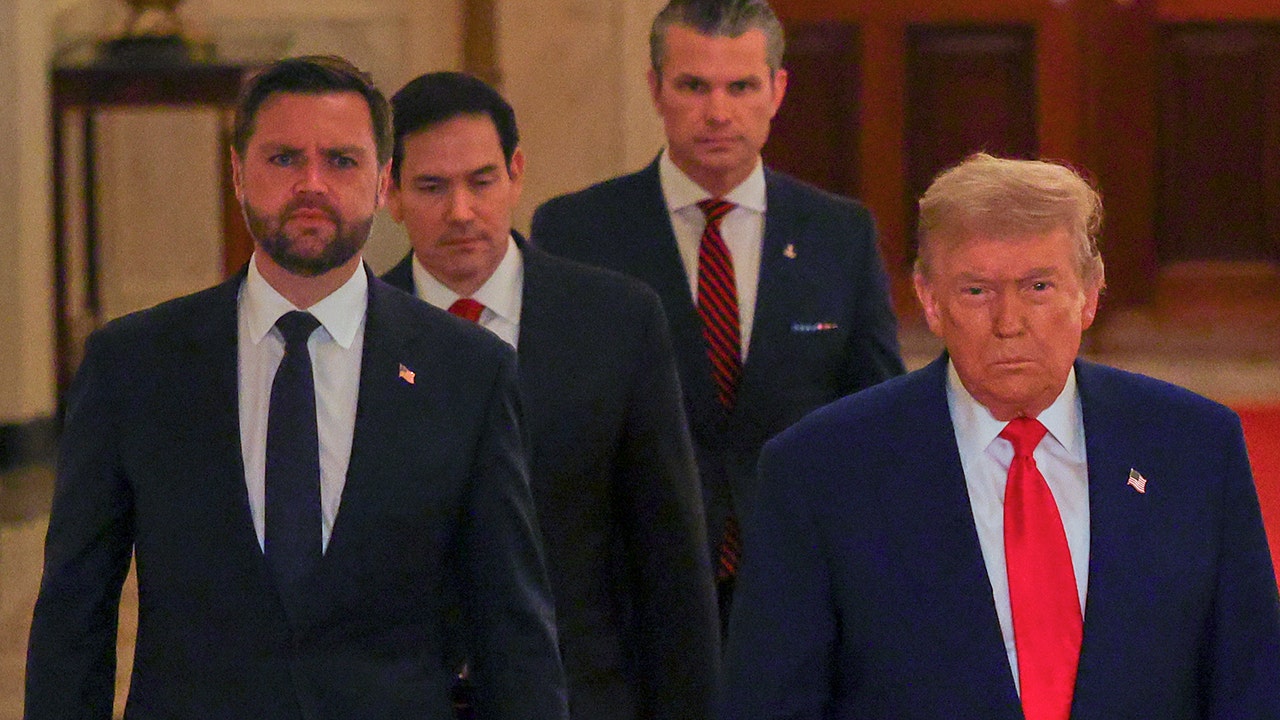
Secretary of State Marco Rubio defended President Donald Trump’s decision to launch military action against Iran, calling it necessary to prevent Tehran from obtaining a nuclear weapon. Rubio acknowledged that the conflict was unpopular and may have contributed to Republican losses in recent midterm elections. Trump said he would make the same decision again but is not currently seeking escalation. U.S.-Iran talks have made little progress, while Iran has reportedly abandoned its 2,000-kilometer ballistic-missile limit and threatened expanded weapons development after a U.S. task force targeted its weapons shipments and illicit trade.
Biblical Context
Government leaders are accountable for how they use authority, particularly when they claim military action is necessary for national security. Romans 13:1-4 recognizes civil authority’s responsibility to restrain wrongdoing and pursue public order, but it does not automatically vindicate every decision made by a government or every claim made in support of war. That distinction is important here because Rubio and Trump describe the intervention as defensive and necessary, while the article supplies no independent assessment sufficient to settle that claim. The prospect of war over nuclear weapons also connects with Scripture’s warnings about the causes and consequences of conflict. James 4:1-2 identifies disorderly desires and disputes as sources of wars and quarrels, encouraging sober examination of the motives behind confrontation. Proverbs 24:6 commends seeking wise counsel before engaging in battle; its principle is relevant to negotiations, intelligence assessments, proportionality, and the risks of escalation, though it does not determine whether this particular war was justified. The stalled talks and continuing threats make peacemaking another relevant biblical concern. Jesus’ blessing of peacemakers in Matthew 5:9 supports serious efforts to reduce hostilities, but it does not require governments to ignore genuine threats. Psalm 20:7 provides a broader warning against placing ultimate confidence in military strength. Scripture therefore supports taking security threats seriously while rejecting the assumption that missiles, military power, or national strategy can guarantee safety. None of these passages identifies the current U.S.-Iran conflict as a fulfillment of a specific prophecy.
Watchmen Signals
U.S.-Iran military action, claims about preventing a nuclear threat, stalled negotiations, missile development, and the prospect of further strikes directly engage biblical concerns about rulers, warfare, justice, prudence, and the limits of military power. Scripture does not resolve the factual dispute over Iran’s capabilities or determine whether this intervention was justified, but it addresses the responsibilities and dangers surrounding those decisions.
The supplied facts describe war, nuclear concerns, missile development, and negotiations, but they do not correspond to the distinctive circumstances of a particular prophetic passage. References to Iran or ancient Persia, weapons, and regional conflict are not sufficient to establish prophetic fulfillment, and the article provides no specific biblical pattern that can responsibly be identified here.
Iran has lifted its ballistic-missile range restriction while negotiations remain stalled and both sides warn of further consequences. The situation is evolving and warrants close monitoring, but the material presented does not establish a newly unfolding event requiring immediate notification.
Biblical Sources
Scripture references supporting the biblical context above.
James connects wars and quarrels with sinful desires and conflicts among people. It supports careful examination of the motives and disputes driving the U.S.-Iran confrontation without assigning a specific cause to either government.
Jesus blesses those who make peace. The teaching gives moral weight to continued efforts to resolve the conflict through negotiations, while not directly settling the question of whether force may ever be used to protect others.
The proverb teaches that wise counsel is essential in warfare. It relates to the need for sound judgment, reliable intelligence, and prudent diplomacy when leaders consider military action and possible escalation.
The psalm contrasts trust in military assets with trust in the Lord. It provides a relevant caution against treating missiles, weapons, or national power as a final source of security.
Paul describes governmental authority as responsible for restraining wrongdoing and maintaining public order. The passage helps frame official claims that military action was undertaken for national security, while not declaring every government decision automatically righteous.
Comments
No comments yet.
Sign in to join the conversation.
Sign InStay Informed. Grow in Biblical Understanding.
Explore important news from around the world through the context of God's Word. Create your FREE Watchmen account to discover more news analysis, Biblical Insights, and Scripture-based perspectives.
Create Your FREE AccountFree to join. No credit card required.