Granddaughter says grandma rejected MAID before lethal procedure, ‘I don’t want the death shot’
Summary
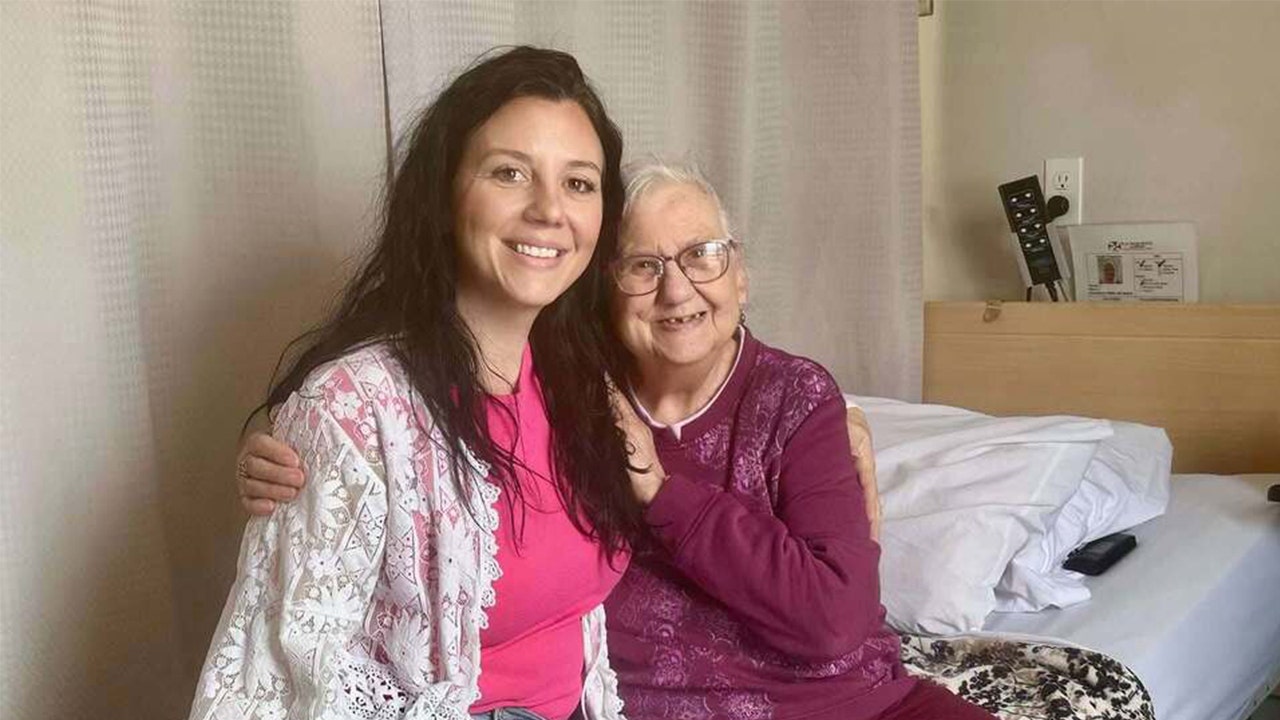
Brigitte Kranendonk alleges that her 83-year-old grandmother, Brigitte Stegemann, was killed through Canada’s Medical Assistance in Dying (MAiD) program on July 10 without adequately understanding or consenting to the procedure. Kranendonk says Stegemann had previously rejected MAiD, was hearing-impaired and not a native English speaker, and appeared confused when informed she would receive a lethal injection. She also alleges problems with paperwork, the final consent check, and IV insertion. The family has requested investigations by Canadian oversight authorities. The care home and police had not responded to Fox News.
Watchmen Signals
Biblical Context
The article concerns the value of human life, the protection of vulnerable people, truthfulness in serious decisions, and the obligation to pursue justice when a person may have been unable to understand or freely consent. Scripture does not directly address Canada’s modern MAiD framework, so these are principles for ethical reflection rather than a claim that the article proves a specific biblical prophecy. The biblical emphasis on protecting the weak and seeking truthful justice is especially relevant to allegations involving an elderly, hearing-impaired person who may not have understood the decision being made.
Biblical Sources
Scripture references supporting the biblical context above.
The command against murder establishes a direct biblical prohibition concerning wrongful killing, while the article’s allegations center on whether a lawful procedure may have occurred without valid consent.
Affirms the special value of human life and the seriousness of taking human life; it provides a general biblical foundation for careful concern about life-ending practices.
Calls for defending those who cannot adequately speak for themselves and pursuing justice, a principle relevant to allegations that an elderly and hearing-impaired woman may not have understood the process.
Urges protection of the weak, vulnerable, and needy, providing a broader biblical principle for evaluating institutional responsibilities toward dependent care-home residents.
Comments
No comments yet.
Sign in to join the conversation.
Sign In