Iran-backed Iraqi militias may lash out amid increased pressure from US - analysis
The Watchmen's Summary
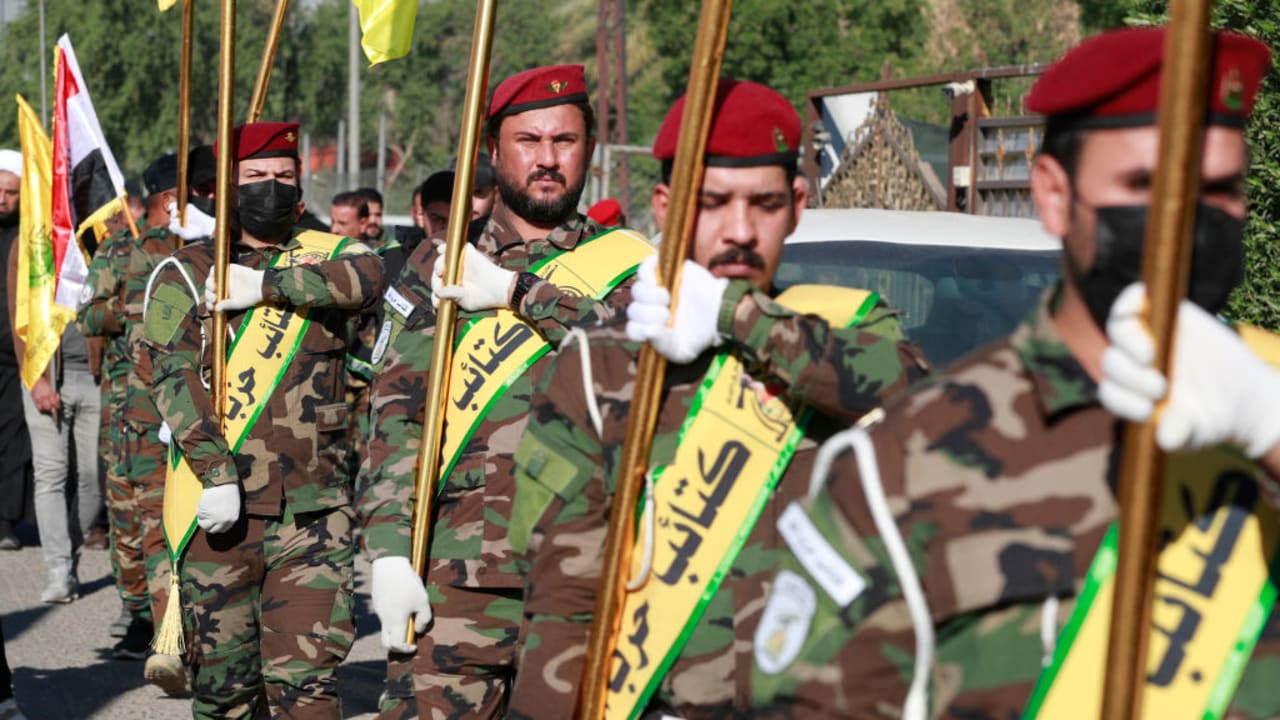
Iran-backed militias in Iraq are facing increased pressure from Prime Minister Ali al-Zaidi, who has demanded that armed factions surrender their weapons and ordered the cancellation of alleged militia-linked contracts at Mosul International Airport. Kataib Hezbollah has responded by accusing the government of corruption and warning against investigations into alleged plots involving the Khor Mor gas field, a key energy facility in Iraqi Kurdistan. The confrontation highlights the militias’ influence over Iraq’s politics, security, commercial activity, and strategic infrastructure.
Biblical Context
Government authority, corruption, armed intimidation, and control of public resources are the clearest points of contact with Scripture. Romans 13:1-4 presents civil government as accountable to God for restraining wrongdoing and pursuing public order; that principle bears on Baghdad’s attempt to bring independently armed factions under state control, though the passage does not endorse every action of a particular government. Amos 5:11-12 condemns exploitation, bribery, and the abuse of power, which provides a relevant framework for evaluating the allegations surrounding militia-linked airport contracts and claims of illicit enrichment. Proverbs 29:4 connects just rule with national stability, making the contest between lawful administration and factional control especially significant. First Kings 21:1-16 offers a more specific biblical warning about rulers or powerful figures using authority to seize property through corruption and false accusation. The passage does not prove that the allegations involving Mosul airport, Khor Mor, or government officials are true, but it illustrates why claims about commercial control, coercion, and compromised justice require serious scrutiny. Scripture also consistently condemns violence and lawlessness while distinguishing legitimate public authority from private vengeance; passages such as Romans 12:19 and 1 Peter 2:13-14 support that distinction. Nothing in the supplied facts identifies a particular biblical prophecy. Iraq, Iran, regional conflict, and armed alliances may invite comparisons with broad biblical themes, but those general similarities are not enough to establish prophetic fulfillment.
Watchmen Signals
Iran-backed militias are portrayed as using armed power, political influence, and commercial access to challenge Iraq’s government and affect strategic infrastructure. Scripture directly addresses the responsibilities of rulers to restrain wrongdoing, the destabilizing effects of corruption, and the moral danger of violent or coercive power, while the specific allegations in this case still require verification.
The reported dispute between Baghdad and Iran-aligned militias does not correspond closely enough to a specific prophetic passage to support a prophecy claim. Regional conflict, Iranian influence, and the presence of places associated with the biblical world are broad similarities, not evidence that a particular prophecy is being fulfilled.
The militias are under growing political and economic pressure, and Iraq has set a future timetable for armed groups to surrender their weapons. No new attack or immediate military escalation is described, but the possibility of retaliation makes the situation important to watch.
Biblical Sources
Scripture references supporting the biblical context above.
Naboth’s vineyard narrative shows how political power, false charges, and corruption can be used to obtain property. It offers a contextual warning relevant to allegations of coercive control over commercial and strategic assets, not a claim that the same events occurred here.
Peter describes civil authorities as having a role in punishing wrongdoing and promoting good conduct. This supports the relevance of questions about lawful authority and public order, while not treating every governmental decision as automatically righteous.
Amos condemns oppression, bribery, and the abuse of power by leaders. These themes are relevant to the article’s allegations concerning illicit enrichment and militia-linked commercial contracts, without validating those allegations.
The proverb links just governance with national stability and corruption with social disorder. It illuminates the reported tension between state administration and factional influence over security and commerce.
Paul forbids personal vengeance and reserves ultimate judgment to God. The principle helps distinguish lawful justice from retaliation in a dispute involving armed organizations and political accusations.
Paul describes governing authority as responsible before God for maintaining public order and restraining wrongdoing. This relates to Baghdad’s effort to control armed factions, while leaving the conduct of the government itself subject to moral accountability.
Comments
No comments yet.
Sign in to join the conversation.
Sign InStay Informed. Grow in Biblical Understanding.
Explore important news from around the world through the context of God's Word. Create your FREE Watchmen account to discover more news analysis, Biblical Insights, and Scripture-based perspectives.
Create Your FREE AccountFree to join. No credit card required.