1-0 to humankind? US midterms vote puts AI, datacentres and the broligarchy back in their box | Heather Stewart
The Watchmen's Summary
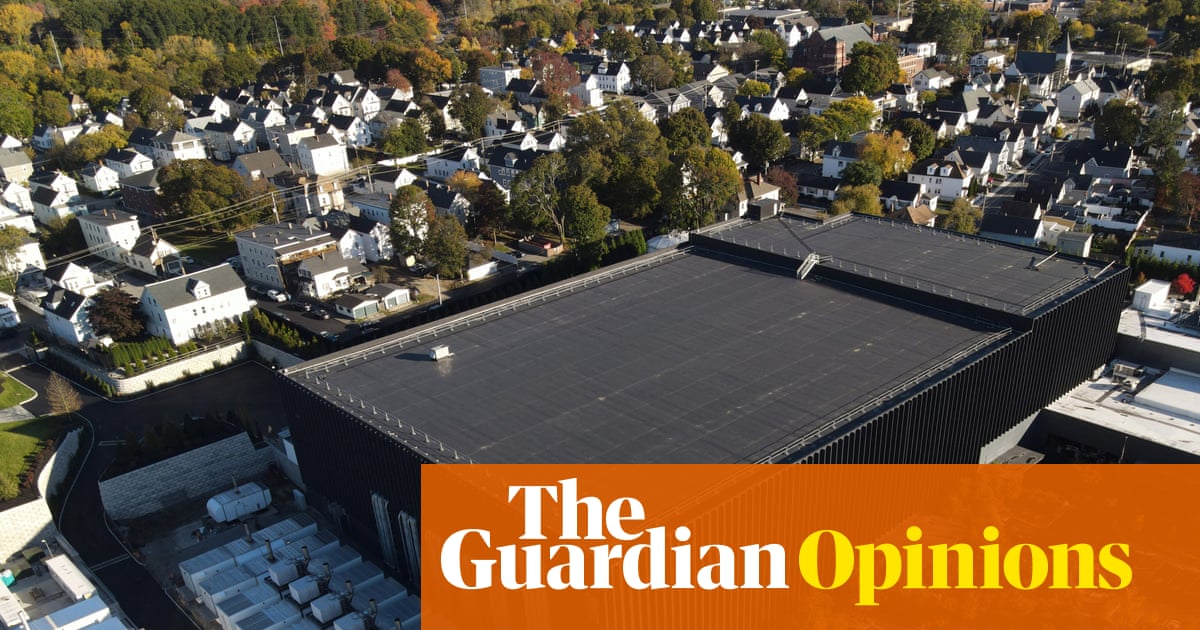
U.S. midterm results are presented as a warning to major technology companies, especially those expanding energy-intensive AI datacenters. The opinion piece says voters supported measures limiting datacenter construction amid concerns about electricity use, neighborhood disruption, worker displacement, inflation, corporate wealth, and questionable AI demand. It also points to a potential market correction, citing fragile investor sentiment, cheaper Chinese models, corporate efforts to reduce AI costs, and doubts that projected productivity gains justify current valuations. Much of the argument remains predictive and interpretive.
Biblical Context
Rapid AI infrastructure expansion raises questions about how businesses use resources, distribute benefits, and account for costs imposed on workers, consumers, neighbors, and the wider community. Genesis 2:15 presents human work as including the cultivation and keeping of what has been entrusted to humanity; that principle can illuminate concerns about energy-intensive facilities and neighborhood effects, although it does not prescribe a specific policy toward datacenters or artificial intelligence. The article’s concern that powerful technology companies may pursue growth while ordinary people bear higher costs can be considered alongside biblical warnings about wealth and responsibility. James 5:4 condemns the withholding of wages from laborers, directly addressing unjust treatment of workers; it does not, however, establish that AI-driven automation is inherently unjust or that every job displacement claim is proven. Luke 12:15 warns against defining life by possessions and accumulating wealth, while 1 Timothy 6:17-19 instructs the wealthy to be generous and not place their hope in riches. These passages speak to corporate and personal attitudes toward wealth, not to the legality of large technology companies. Biblical justice also requires attention to people affected by decisions made by those with greater power. Proverbs 11:1 condemns dishonest business practices, and Amos 5:24 calls for justice rather than outward displays of religious observance. Those texts support scrutiny of corporate claims, financing arrangements, consumer costs, and treatment of workers, but the supplied article does not itself prove fraud, wage theft, or other specific wrongdoing. No particular biblical prophecy is identified: public resistance to datacenters, possible job displacement, and an AI market correction do not correspond to a distinct prophetic passage or establish prophetic fulfillment.
Watchmen Signals
Datacenter expansion, worker displacement, concentrated corporate wealth, consumer costs, and possible market manipulation raise questions Scripture addresses about stewardship, honest dealings, justice, labor, and the responsibilities that accompany wealth and power. Those principles illuminate the issues, although Scripture does not speak directly to artificial intelligence or determine whether the article’s economic predictions are correct.
Voter opposition to datacenters, warnings about AI replacing workers, and a possible technology-market correction do not match a particular biblical prophecy in a specific way. Scripture contains warnings about wealth, justice, and human accountability, but those moral teachings should not be presented as evidence that an AI market downturn fulfills prophecy.
The discussion is retrospective and analytical, focusing on recent election results, market concerns, and possible future effects. It does not describe a rapidly unfolding event requiring immediate notification.
Biblical Sources
Scripture references supporting the biblical context above.
Paul instructs wealthy believers not to place their hope in uncertain riches and to be generous and ready to share, offering a framework for considering the responsibilities accompanying concentrated wealth.
Amos’s call for justice to flow continually supports concern for people affected by powerful institutions and economic decisions, without endorsing a particular datacenter regulation or economic ideology.
Humanity is placed in the garden to work it and keep it, providing a broad stewardship principle relevant to datacenter expansion, energy use, and effects on neighboring communities.
James condemns the withholding of wages from laborers, directly illuminating the article’s concerns about workers, economic power, and the consequences of business decisions, while not proving that AI-related employment changes are unlawful or unjust.
Jesus warns against greed and treating accumulated possessions as the measure of life, a relevant moral perspective on extreme corporate wealth and market-driven expansion.
The condemnation of dishonest scales supports careful scrutiny of truthful business claims, financing practices, valuations, and representations of AI’s benefits, though the article does not establish specific fraud.
Comments
No comments yet.
Sign in to join the conversation.
Sign InStay Informed. Grow in Biblical Understanding.
Explore important news from around the world through the context of God's Word. Create your FREE Watchmen account to discover more news analysis, Biblical Insights, and Scripture-based perspectives.
Create Your FREE AccountFree to join. No credit card required.