Iran’s IRGC signals plans for missiles beyond 2,000 km, vows to 'demonstrate' capabilities
The Watchmen's Summary
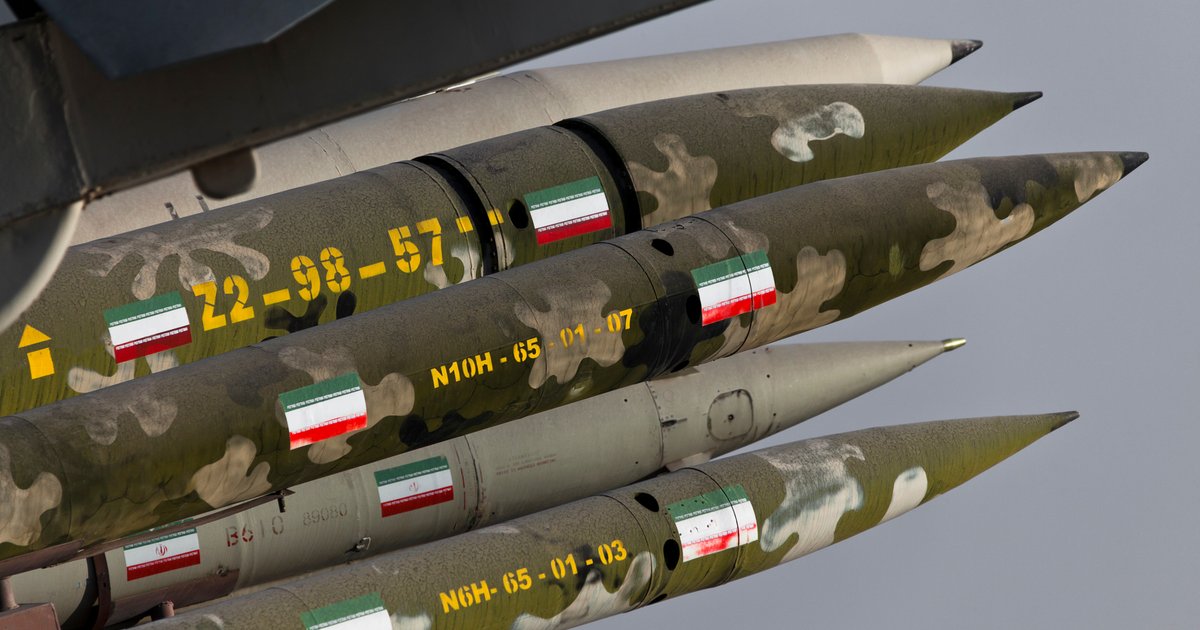
Iran’s IRGC says it will no longer observe its self-imposed 2,000-kilometer limit for ballistic missiles and is prepared to demonstrate longer-range capabilities. The warning follows threats of an unrestricted response to U.S. or Israeli action. The report says Iran previously launched missiles toward Diego Garcia, though one failed and another was intercepted. Meanwhile, President Donald Trump is reportedly considering renewed military action, while CENTCOM expands efforts to restrict Iranian trade and smuggling. Analysts caution that developing longer-range missiles could take years.
Biblical Context
The threats, military preparations, and prospect of renewed conflict fit Scripture’s sustained treatment of warfare and hostile rulers, but the passages do not identify every modern confrontation as a prophetic fulfillment. Jesus warned that nations would rise against nations and that wars and reports of wars would occur, while also cautioning His followers not to treat such events by themselves as proof that the end had arrived (Matthew 24:6-8). That provides a relevant framework for assessing the Iranian threats and possible U.S. military action without making an unwarranted prediction. Psalm 2 portrays rulers joining in opposition to the Lord and His anointed and emphasizes God’s sovereignty over rebellious nations (Psalm 2:1-12). The passage can illuminate the spiritual and moral dimension of rulers who threaten one another, though the supplied facts do not establish that this specific episode is the event described in the psalm. Romans 13:1-4 describes civil authority as accountable to God and responsible for restraining wrongdoing. That principle is relevant to governments deciding how to respond to threats, impose restrictions, or use military force, but it does not automatically validate any particular policy or operation. Scripture also requires sober judgment about the limits of the evidence. A more specific prophetic comparison arises from Ezekiel 38:5, which names Persia among the participants in a future coalition against Israel. Modern Iran is commonly associated with ancient Persia, and Iranian hostility toward Israel makes comparison reasonable. However, the article does not describe the broader coalition, Gog’s invasion, or the other defining elements of Ezekiel 38. The facts therefore support observation of a possible partial correspondence, not a claim that the prophecy is being fulfilled.
Watchmen Signals
Iran’s missile expansion, threats toward Israel and the United States, possible renewed warfare, and the governments’ responses concern warfare, hostile rulers, national power, and accountability—subjects Scripture addresses directly in passages such as Matthew 24:6, Psalm 2, and Romans 13:1-4. These texts provide principles for understanding the danger and responsibility involved, without endorsing every action reported or treating the crisis as proof of a specific prophecy.
Iran’s modern identification with Persia and its declared readiness to threaten Israel invite comparison with Persia’s place in the coalition described in Ezekiel 38:5. The report does not present the broader alliance, invasion, or other defining features of Ezekiel 38, so the correspondence remains incomplete and does not establish prophetic fulfillment.
Iran has announced a new missile posture while the United States is expanding efforts to restrict its military and economic capacity, and renewed strikes are reportedly under consideration. The confrontation is clearly evolving, but no new major attack or immediate military emergency is described.
Biblical Sources
Scripture references supporting the biblical context above.
Ezekiel names Persia as part of a future coalition associated with an invasion against Israel. Iran’s identification with modern Persia and its stated hostility toward Israel make comparison reasonable, but the article lacks the broader coalition and defining events of the prophecy.
Jesus speaks of wars and reports of wars, while warning that such events alone do not establish that the end has arrived. This directly frames the article’s reports of threats and possible renewed conflict without permitting overstatement.
The psalm describes rulers opposing the Lord and His anointed and affirms God’s sovereignty over the nations. It provides a broader biblical lens for hostile rulers and international confrontation, though it does not identify this specific crisis as its fulfillment.
Paul teaches that governing authorities are accountable to God and have responsibility to restrain wrongdoing. This relates to the decisions of the United States and other governments regarding threats, sanctions, interdiction, and military force, without endorsing a particular policy.
Comments
No comments yet.
Sign in to join the conversation.
Sign InStay Informed. Grow in Biblical Understanding.
Explore important news from around the world through the context of God's Word. Create your FREE Watchmen account to discover more news analysis, Biblical Insights, and Scripture-based perspectives.
Create Your FREE AccountFree to join. No credit card required.