Inside a rancher family's clash with gov't that could have ripple effect right to SCOTUS: ‘Existential threat’
The Watchmen's Summary
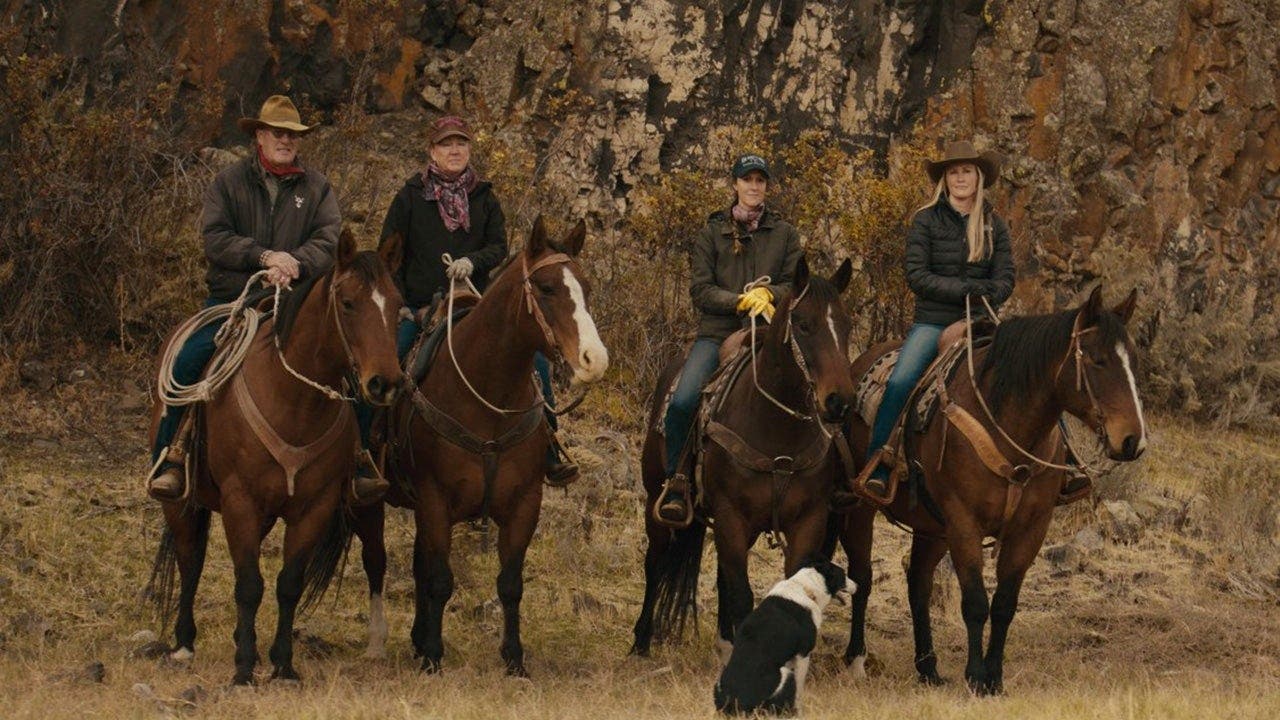
Washington ranchers Wade and Teresa King are challenging a $267,540 state fine and restoration orders involving 34 areas officials identify as damaged wetlands. The Kings say the sites are longstanding stockwater ponds, not naturally occurring wetlands, and argue that being forced before an administrative board denies them a constitutional jury trial. A court has paused the administrative proceedings while the issue is reviewed. Their attorneys estimate compliance could cost more than $3.7 million, with potential consequences for ranchers who rely on similar livestock-water exemptions.
Biblical Context
The Kings’ dispute places stewardship, property protection, and the fairness of civil authority in the same frame. Genesis 2:15 presents responsible care for land as a human duty; that principle can be applied to both the ranchers’ stated concern for the water and land on which their livelihood depends and the government’s stated interest in protecting wetlands. It does not, by itself, decide whether these particular areas were wetlands or whether the ranchers damaged them. Scripture also insists that legal authority must operate with impartiality. Deuteronomy 16:18-20 commands judges to judge rightly, reject partiality, and pursue justice, while Proverbs 18:17 warns that the first account in a dispute can appear persuasive until the other side is heard. Those passages illuminate the Kings’ objection to an administrative process they regard as structurally biased, but they do not establish that the Pollution Control Hearings Board acted unfairly; that remains an unresolved legal claim. Romans 13:1-4 recognizes civil government as having legitimate authority to restrain wrongdoing and promote public order. That supports the state’s general ability to enforce environmental rules, while the passage’s emphasis on government as a servant for justice also places moral limits on arbitrary or abusive exercise of power. Deuteronomy 19:14’s prohibition against moving an established boundary offers a related, though indirect, property principle: longstanding rights and land boundaries should not be disregarded without just cause. None of these passages identifies the wetlands dispute as prophecy or determines the merits of either side.
Watchmen Signals
A multigenerational ranch’s fight over land use, government enforcement, property interests, and access to a fair hearing engages biblical teachings on stewardship, justice, impartial judgment, and civil authority. Scripture does not determine whether the King Ranch sites were wetlands, but it speaks directly to the principles at stake in deciding that question and enforcing the resulting orders.
The dispute over stockwater ponds, wetlands classifications, fines, and administrative procedure does not correspond to a specific biblical prophecy or distinctive prophetic pattern. The reported facts support consideration of justice and stewardship, not a claim that prophecy is being fulfilled.
The Washington Court of Appeals has paused the administrative proceedings while it considers the Kings’ jury-trial claim, and a future Supreme Court petition is possible. The case is worth monitoring for broader legal consequences, but it does not require immediate notification.
Biblical Sources
Scripture references supporting the biblical context above.
These instructions require judges to administer justice, avoid partiality, and pursue what is right, which relates to the fairness of the enforcement and appeals process.
The prohibition against moving a neighbor’s boundary reflects Scripture’s concern for respecting established property rights, though its connection here is a broader principle rather than a direct ruling on wetlands law.
God places humanity in the garden to work it and keep it, providing a biblical basis for responsible stewardship of land and natural resources.
The proverb cautions that an initial account may seem right until another party is heard, fitting the unresolved conflict between the agency’s evidence and the ranchers’ account.
Paul recognizes legitimate governmental authority to restrain wrongdoing while describing that authority as accountable to the purpose of administering justice.
Comments
No comments yet.
Sign in to join the conversation.
Sign InStay Informed. Grow in Biblical Understanding.
Explore important news from around the world through the context of God's Word. Create your FREE Watchmen account to discover more news analysis, Biblical Insights, and Scripture-based perspectives.
Create Your FREE AccountFree to join. No credit card required.