Iran executes three men accused of working for Israel, US, taking part in anti-government protests
The Watchmen's Summary
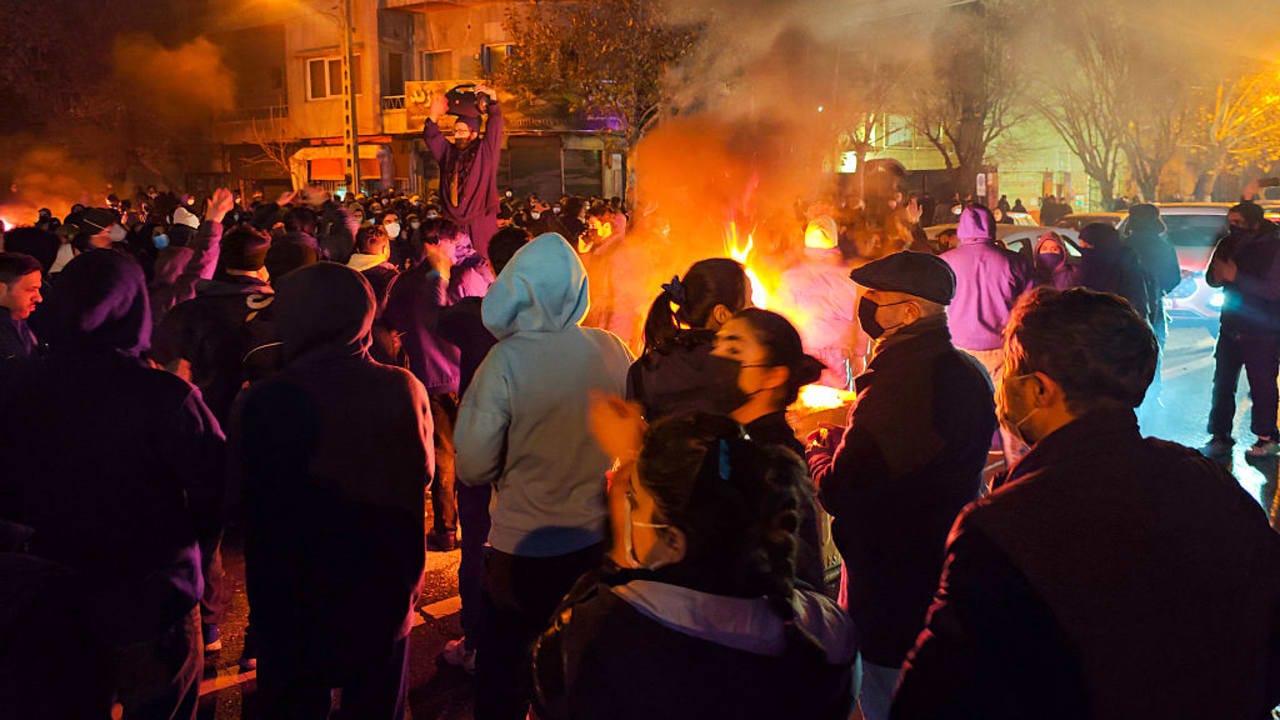
Iran executed Hassan Divband, Hamid Kazemi, and Reza Zanganeh after authorities accused them of armed attacks, arson, and cooperation with Israel, the United States, and hostile groups during January’s anti-government protests. Iranian officials cited confessions, surveillance footage, and intelligence reports, but the evidence has not been independently examined. Human-rights organizations allege torture, coerced confessions, restricted legal access, and rapid trials in related cases. Eight additional defendants reportedly received prison sentences, while many other protesters remain at risk of execution.
Biblical Context
The executions and the surrounding allegations raise direct biblical questions about the administration of justice, truthful evidence, and the use of governmental power. Deuteronomy 16:18-20 commands judges and officials to judge fairly, reject partiality and bribes, and pursue justice. That principle bears directly on reports of politically charged prosecutions, restricted legal representation, and trials whose evidence has not been independently examined. Isaiah 10:1-2 condemns rulers who issue unjust decrees and deprive vulnerable people of justice. In the setting described here, that passage provides a serious warning against laws or official practices that use state authority to crush dissent, seize property, or impose extreme penalties without a fair process. Proverbs 17:15 likewise says that acquitting the guilty and condemning the innocent are both an abomination to the Lord. The passage does not determine whether these particular defendants were guilty, but it underscores why reliable evidence and impartial judgment matter. Romans 13:1-4 recognizes the legitimate role of government in restraining wrongdoing and punishing genuine criminal conduct. That teaching prevents a simplistic conclusion that every prosecution by a government is unjust. At the same time, governmental authority is described as serving justice, not as a license for brutality, fabricated evidence, or punishment of people merely for political opposition. Scripture therefore supports accountability for actual violence while condemning oppression and corrupt judgment. These principles establish biblical relevance, but they do not identify the executions as fulfillment of a particular prophecy.
Watchmen Signals
Iran’s execution of alleged political opponents, together with claims of torture, coerced confessions, restricted legal representation, and confiscation of property, directly raises biblical concerns about impartial judgment, truthful testimony, oppression, and the proper use of governmental authority. Scripture does not establish whether these defendants were guilty, but it clearly addresses the justice issues surrounding their prosecution and punishment.
The executions and Iran’s broader repression do not correspond clearly to a particular biblical prophecy. Iran’s hostility toward Israel, accusations involving foreign powers, and use of severe punishments may warrant continued observation, but those facts alone are general geopolitical developments rather than evidence of prophetic fulfillment.
The executions have just taken place within a continuing crackdown, and other detainees reportedly remain at risk of execution. The situation warrants close monitoring, although the article does not describe a sudden military escalation or emergency requiring immediate notification.
Biblical Sources
Scripture references supporting the biblical context above.
These verses require judges and officials to administer impartial justice, reject partiality and bribery, and pursue justice. They directly illuminate concerns about politically charged trials and inadequate judicial safeguards.
Isaiah condemns rulers who make unjust decrees and deprive the vulnerable of justice. The passage relates to allegations that state power and severe laws are being used oppressively against protesters and detainees.
This proverb condemns both acquitting the guilty and condemning the innocent, emphasizing the moral seriousness of unreliable or corrupted judgment. It applies to the article’s competing claims about guilt, evidence, and coerced confessions.
Paul recognizes government’s authority to restrain wrongdoing and punish genuine criminal conduct. This provides balance by acknowledging the legitimacy of prosecuting violence while also implying that state authority is accountable to the purpose of justice rather than arbitrary repression.
Comments
No comments yet.
Sign in to join the conversation.
Sign InStay Informed. Grow in Biblical Understanding.
Explore important news from around the world through the context of God's Word. Create your FREE Watchmen account to discover more news analysis, Biblical Insights, and Scripture-based perspectives.
Create Your FREE AccountFree to join. No credit card required.