Donald Trump’s power is on the wane. What next for Russia, Israel – and the rest of us? | Simon Tisdall
The Watchmen's Summary
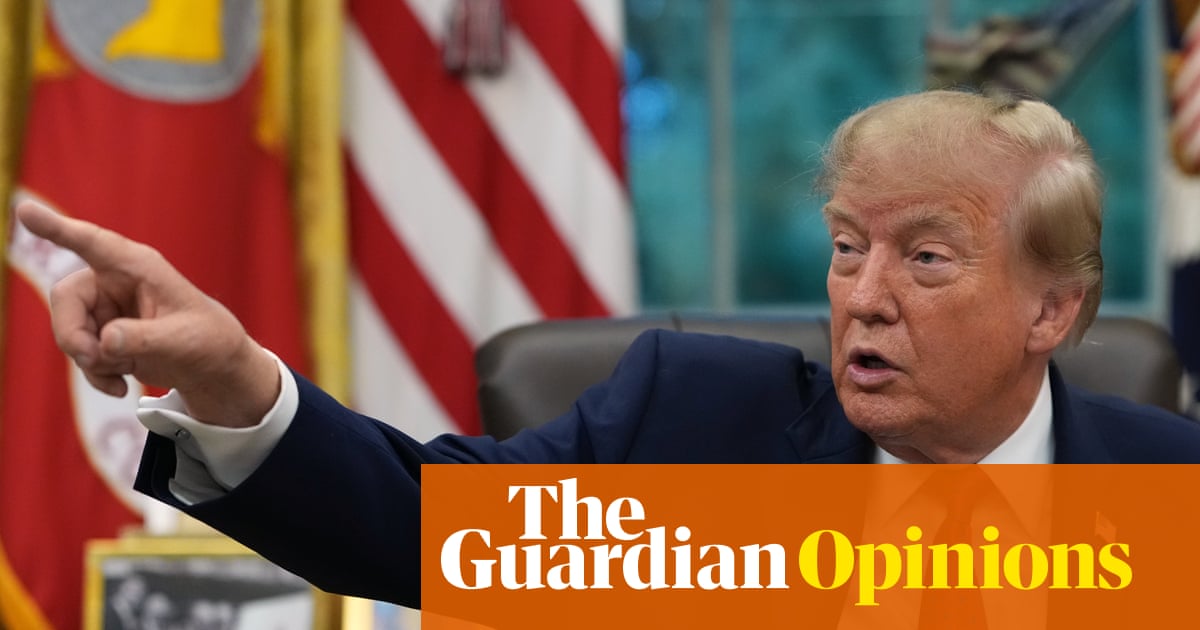
A Guardian foreign-affairs commentator portrays U.S. midterm victories by Democrats as a global rebuke to Donald Trump and a setback for far-right populism. The commentary argues that Trump’s weakened position could affect policy toward Iran, Israel, Ukraine, Russia, NATO, China, Cuba, and overseas aid. It also warns that reduced political authority might make him more volatile, potentially intensifying wars or pressuring Ukraine into territorial concessions. The piece ends by predicting further democratic defeats for nationalist movements, while acknowledging that Trump is unlikely to change.
Biblical Context
The election’s significance lies partly in how political authority may be checked and how leaders use power in matters of war, sovereignty, civilian protection, and justice. Romans 13:1-4 describes government as an authority responsible for restraining wrongdoing and promoting what is good; it does not make every governmental action righteous or exempt rulers from accountability. That principle helps frame the article’s discussion of congressional scrutiny, executive overreach, alleged abuses of power, and the responsibilities of national leaders. The article’s references to civilian deaths, Palestinian rights, Ukrainian sovereignty, and possible pressure on weaker nations also connect with Scripture’s repeated demand that rulers defend the vulnerable rather than exploit them. Psalm 72:1-4 presents the ideal king as one who judges rightly, defends the afflicted, and crushes oppression. Isaiah 10:1-2 condemns rulers who enact unjust decrees and deprive the poor of justice. These passages illuminate the moral questions raised by the article, but they do not endorse every political judgment made by its commentator or establish that any particular modern leader fulfills a biblical role. The discussion of war and threatened escalation can be compared with Jesus’ teaching that peacemakers are blessed and with the New Testament’s call to pursue peace where possible. Such principles support concern for civilians and resistance to needless conflict, while recognizing that Scripture also addresses government responsibility to restrain evil. The supplied events do not correspond to a particular prophetic passage with enough specificity to support a prophecy claim. General conflict involving Israel, Iran, Russia, Ukraine, or international alliances is not by itself evidence of prophetic fulfillment.
Watchmen Signals
The election’s implications for executive power, war-making, congressional oversight, civilian suffering, sovereignty, and the treatment of vulnerable populations touch subjects Scripture addresses through its teaching on rulers, justice, oppression, and peace. Scripture does not validate the commentary’s partisan conclusions, but it provides substantive moral standards for evaluating the conduct of governments and the consequences of their policies.
No particular prophetic passage is established by the election or by the article’s references to Israel, Iran, Russia, Ukraine, and international conflict. Those developments may be significant and troubling, but general geopolitical tension, opposition to Israel, or changing alliances do not by themselves demonstrate that a specific biblical prophecy is being fulfilled.
The election has already occurred, and the piece mainly offers political interpretation and forecasts about future policy. It does not describe an immediate attack, emergency action, or rapidly unfolding crisis requiring prompt notification.
Biblical Sources
Scripture references supporting the biblical context above.
Isaiah condemns rulers who issue unjust decrees and deny justice to the vulnerable, supporting moral scrutiny of governmental decisions that may disregard civilian welfare or sovereign rights.
Jesus blesses peacemakers, a principle relevant to the article’s discussion of war, ceasefire negotiations, diplomatic compromise, and the consequences of policies that may prolong conflict.
The psalm presents righteous rule as the defense of the poor and afflicted and the suppression of oppression, directly illuminating the article’s concerns about civilian suffering, Palestinian rights, and the treatment of Ukraine.
Paul describes governing authorities as responsible for restraining wrongdoing and serving a public good, providing context for the article’s discussion of executive power, congressional oversight, and alleged abuses of authority.
Comments
No comments yet.
Sign in to join the conversation.
Sign InStay Informed. Grow in Biblical Understanding.
Explore important news from around the world through the context of God's Word. Create your FREE Watchmen account to discover more news analysis, Biblical Insights, and Scripture-based perspectives.
Create Your FREE AccountFree to join. No credit card required.