Palestinian Authority seeks EU backing for UN resolutions targeting Israeli policies in Judea and Samaria
The Watchmen's Summary
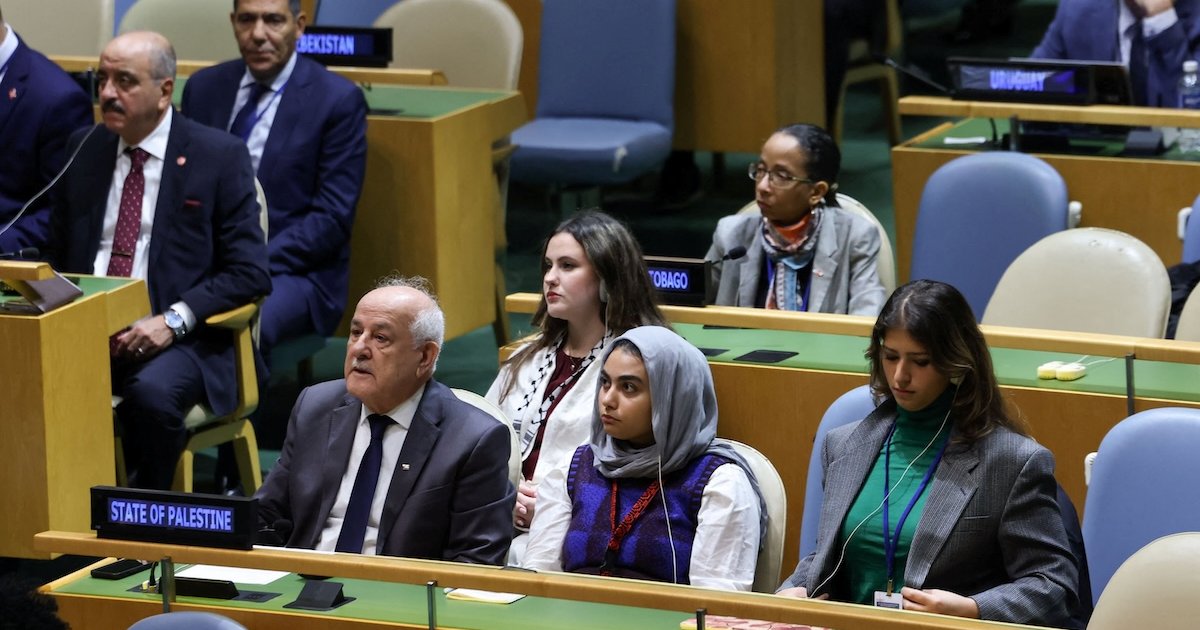
The Palestinian Authority is seeking European backing for several UN resolutions condemning Israeli policies in Judea and Samaria, including proposed construction in the E1 area, Israel’s control of East Jerusalem, and its presence on the Golan Heights. The PA also wants European states to distinguish between Judea and Samaria and the rest of Israel. EU governments remain divided, and consensus is uncertain. The resolutions are expected to pass the UN General Assembly, though such measures are nonbinding. Israeli diplomats are working to moderate their language.
Biblical Context
Israel’s sovereignty, Jerusalem’s status, and international claims concerning the land have direct biblical significance because Scripture presents the land of Canaan as promised to Abraham’s descendants. Genesis 17:7-8 records God’s covenant with Abraham and identifies the land as an everlasting possession for his offspring; this provides the biblical framework for understanding why disputes over Israel’s land cannot be treated as merely ordinary territorial questions. That covenant passage does not by itself settle modern legal arguments over the West Bank, East Jerusalem, or the Golan Heights, nor does it prescribe a specific contemporary government or diplomatic policy. The proposed international condemnation also invites comparison with prophetic passages concerning nations and Jerusalem. Zechariah 12:3 describes Jerusalem becoming a burdensome stone for the nations gathered against it, while Joel 3:2 speaks of nations being gathered and judged in connection with the division of God’s land. The PA’s campaign and the expected UN condemnation are not the full events described in those passages: the resolutions are nonbinding, European governments are divided, and the article does not report a worldwide gathering or a confirmed division of the land in the prophetic sense. The passages therefore support a cautious prophetic comparison, not a claim that prophecy is being fulfilled. Psalm 122:6’s call to pray for the peace of Jerusalem also supplies a relevant biblical posture, though it is an exhortation rather than a prediction of this diplomatic development.
Watchmen Signals
Israel’s presence in Judea and Samaria, the status of East Jerusalem, and international efforts to challenge Israeli control concern the land and city that Scripture treats as central to God’s covenant purposes. Genesis 17:7-8 provides that covenant framework, while the modern legal and diplomatic disputes themselves remain matters that Scripture does not resolve in detail.
The Palestinian campaign for international condemnation and the expected UN vote can reasonably be compared with Zechariah 12:3 and Joel 3:2, which describe nations contending over Jerusalem and the land. The comparison is incomplete: this is a divided, nonbinding diplomatic process, not clear evidence that either prophetic passage is being fulfilled.
European governments have not reached consensus, and the proposed resolutions are still under negotiation before an expected General Assembly vote. The issue is developing but does not describe an immediate military or governmental emergency.
Biblical Sources
Scripture references supporting the biblical context above.
God’s covenant with Abraham identifies the land of Canaan as an everlasting possession for Abraham’s offspring, providing the biblical context for disputes over Israel’s land.
Joel describes nations being gathered in connection with the division of God’s land, which provides a cautious comparison to international disputes over territorial control and proposed changes affecting the land.
The command to pray for the peace of Jerusalem is relevant to a diplomatic conflict centered partly on Jerusalem, though it is a biblical exhortation rather than a prediction of the reported events.
The passage describes Jerusalem becoming a burdensome stone for the nations, offering a specific prophetic comparison to continuing international contention over Jerusalem.
Comments
No comments yet.
Sign in to join the conversation.
Sign InStay Informed. Grow in Biblical Understanding.
Explore important news from around the world through the context of God's Word. Create your FREE Watchmen account to discover more news analysis, Biblical Insights, and Scripture-based perspectives.
Create Your FREE AccountFree to join. No credit card required.