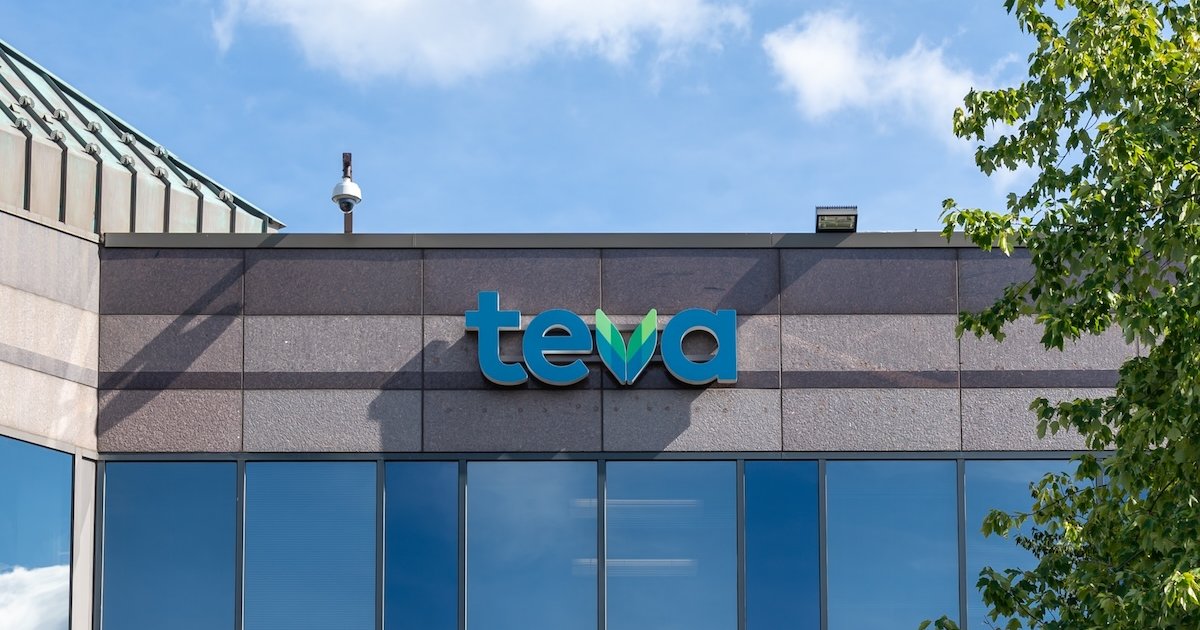
Irish hospital association calls for boycott of Israeli pharmaceutical giant Teva
The Watchmen's Summary
The Irish Hospital Consultants Association has urged hospital consultants to avoid prescribing or using Teva Pharmaceuticals products when clinically appropriate non-Israeli alternatives exist. The association cited ethical concerns related to Israel’s military operations in Gaza and pledged to protect clinicians who decline Teva products. Supporters referenced treatment of Gaza patients, while critics warned the policy could affect care because Teva supplies about one in eight Irish prescriptions. Similar professional bodies in Britain recently ended partnerships with Teva, prompting accusations of politicizing healthcare and anti-Israel discrimination.
Biblical Context
The IHCA boycott connects with biblical themes concerning how nations and institutions treat Israel, but the connection should be stated cautiously. Genesis 12:3 records God’s promise concerning those who bless or dishonor Abraham and his descendants. That passage can inform reflection on the moral seriousness of hostility toward Israel, but it does not provide a simple verdict on every modern boycott, nor does it settle the separate question of how Christians should respond to alleged injustice or civilian suffering. Zechariah 12:3 describes Jerusalem becoming a burdensome stone for the nations gathered against it. The reported campaign involves an Irish medical association targeting an Israeli pharmaceutical company, not nations physically gathering against Jerusalem in the prophetic scene. It therefore offers a limited thematic comparison with growing opposition to Israel rather than evidence that the prophecy is being fulfilled. Scripture also calls for justice and concern for the vulnerable, so the suffering of Gaza patients mentioned by the sponsoring physician deserves moral attention; however, the article alone does not establish that the boycott is the biblically required means of responding to that suffering.
Watchmen Signals
An Irish medical association has joined wider efforts to pressure an Israeli company, raising questions about how institutions treat Israel while also invoking the suffering of civilians in Gaza. Genesis 12:3 and Zechariah 12:3 provide relevant biblical themes for considering hostility toward Israel and the nations’ treatment of Jerusalem, but they do not by themselves resolve the medical or political questions surrounding the boycott.
The boycott does not correspond to a specific prophetic event described in Scripture. Although growing opposition to Israel may invite comparison with passages about nations opposing Jerusalem, this professional action lacks the defining elements needed to identify it as prophetic fulfillment.
The motion was passed this week and may influence prescribing and procurement, but it does not describe an immediate emergency or rapidly escalating crisis. Its broader effects can be monitored as the boycott campaign develops.
Biblical Sources
Scripture references supporting the biblical context above.
God’s promise concerning those who bless or dishonor Abraham and his descendants provides a biblical basis for reflecting on how institutions and nations treat Israel, while not directly determining the legitimacy of this particular medical boycott.
The passage portrays Jerusalem becoming a burden for nations gathered against it, allowing a cautious comparison with broader international opposition to Israel, though the reported professional boycott does not match the prophetic event itself.
Comments
No comments yet.
Sign in to join the conversation.
Sign InStay Informed. Grow in Biblical Understanding.
Explore important news from around the world through the context of God's Word. Create your FREE Watchmen account to discover more news analysis, Biblical Insights, and Scripture-based perspectives.
Create Your FREE AccountFree to join. No credit card required.