Son sounds alarm after father's medically assisted death in Canada: Way past appropriate'
The Watchmen's Summary
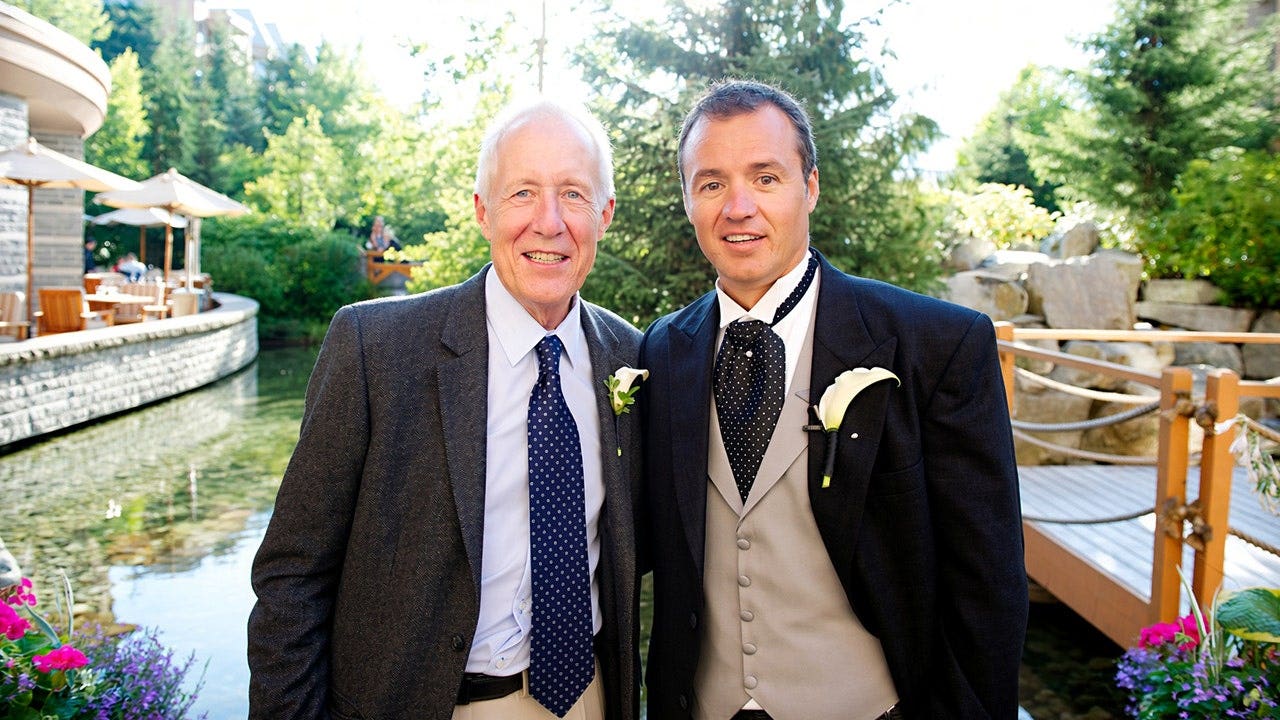
Eric Edmeades says his father, Baz, died through Canada’s Medical Assistance in Dying (MAiD) program on Feb. 27, 2024, after the process moved from an expected six-month timeline to completion within roughly a week. The family had concerns about his declining health, prior suicidal comments, medication interactions, and the adequacy of safeguards. Edmeades argues that Canada’s system has gone too far, while federal officials say MAiD requires informed, voluntary consent and stringent eligibility checks. The article also cites disputed cost-savings claims and national participation figures.
Biblical Context
Baz’s death through an assisted-dying system raises a direct question about how human life should be valued and protected, particularly when illness, isolation, pain, loss of independence, and possible suicidal thinking are present. Exodus 20:13 prohibits murder and establishes the seriousness of intentionally taking human life; it does not by itself provide a complete legal analysis of modern medical procedures, but it supports careful opposition to treating life as disposable. Human dignity is also grounded in creation. Genesis 1:27 teaches that human beings are made in the image of God, providing a basis for valuing elderly, disabled, and seriously ill people even when their health or independence has declined. The family’s concerns about pressure, consent, and whether suffering was being addressed before death are consistent with Scripture’s call to defend vulnerable people. Proverbs 31:8-9 urges advocacy for those who cannot adequately speak for themselves, while Psalm 82:3-4 calls for defending the weak and needy. These passages do not settle every question about end-of-life medicine, but they support scrutiny of safeguards and resistance to coercion or neglect. Jesus’ teaching in Matthew 22:39 and the compassion described in 2 Corinthians 1:3-4 also point toward loving care and comfort for people in distress. They offer a constructive alternative to viewing death as the answer to loneliness, disability, or inadequate support. Scripture does not establish that Canada’s MAiD law fulfills a particular prophecy. The reported legal and ethical developments should therefore be evaluated as a present moral question, not presented as prophetic fulfillment.
Watchmen Signals
Canada’s assisted-dying program determines when medical professionals may intentionally help end a person’s life, while the family’s account raises questions about suffering, consent, pressure, and protection for an elderly man whose health and independence were declining. Scripture directly addresses the sanctity of human life and the duty to defend vulnerable people, although it does not provide a complete modern legal framework for MAiD.
Canada’s MAiD law and the reported family experience do not correspond to a specific biblical prophecy. The ethical concerns may be serious, but Scripture does not identify assisted dying as a prophetic event, so the case should not be presented as evidence that prophecy is being fulfilled.
The death occurred in February 2024, and the article recounts the family’s experience and broader policy concerns rather than announcing a rapidly unfolding event requiring immediate notification.
Biblical Sources
Scripture references supporting the biblical context above.
Paul describes God’s comfort in affliction and the responsibility to comfort others, offering a biblical framework for responding to suffering without reducing the person to that suffering.
The command against murder supports the seriousness of intentionally ending human life, while requiring careful distinction between biblical teaching and the complexities of modern medical practice.
Human beings are described as made in God’s image, supporting the protection of dignity for elderly, disabled, and seriously ill people.
Christ’s command to love one’s neighbor supports compassionate care for people experiencing pain, disability, loneliness, or loss of independence.
The call to speak for those who cannot adequately speak for themselves relates to safeguards, consent, and protection against pressure affecting vulnerable patients.
The command to defend the weak and needy supports examining whether medical and governmental systems protect vulnerable people rather than allowing neglect or coercion.
Comments
No comments yet.
Sign in to join the conversation.
Sign InStay Informed. Grow in Biblical Understanding.
Explore important news from around the world through the context of God's Word. Create your FREE Watchmen account to discover more news analysis, Biblical Insights, and Scripture-based perspectives.
Create Your FREE AccountFree to join. No credit card required.