The datacentre arms race hits pause in south-east Asia
The Watchmen's Summary
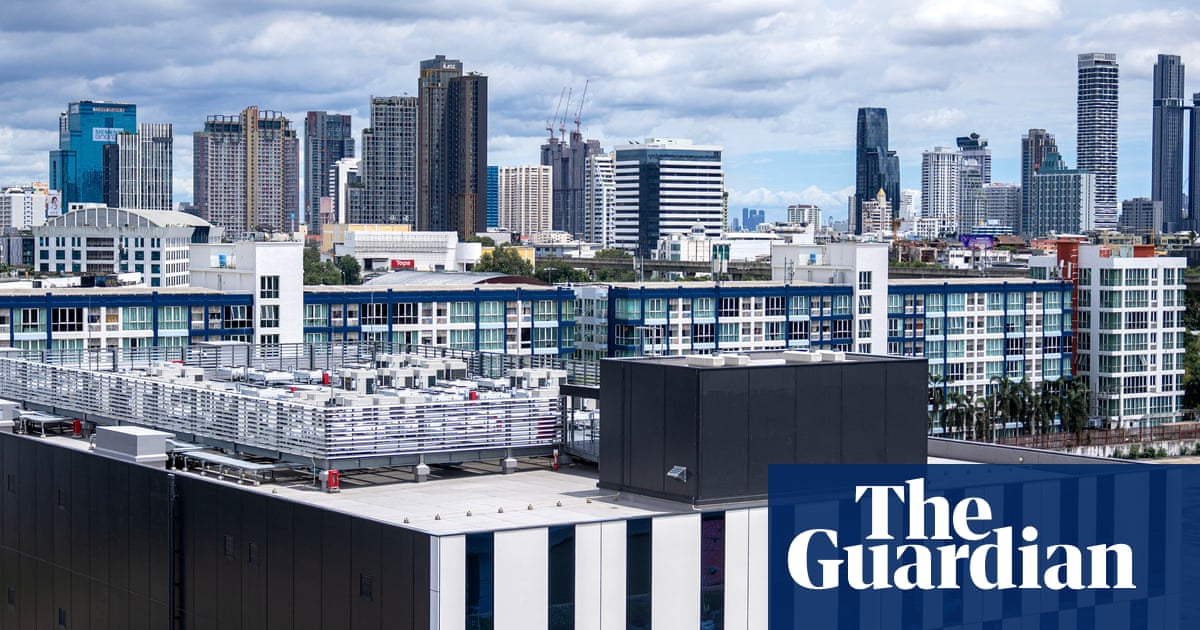
Thailand paused construction on 49 datacentre projects and delayed decisions on 117 others in September 2026 as officials sought stronger regulatory and monitoring requirements. Indonesia also halted a project in West Java over missing permits and an incomplete environmental assessment. The moves follow rapid AI-driven expansion across Southeast Asia, especially in Malaysia’s Johor state, where datacentres already consume an estimated 24% of electricity. Growing demand for power and water has prompted protests, tighter approval rules, and concern that local communities may bear costs disproportionate to the jobs and benefits created.
Biblical Context
Rapid datacentre construction places questions of resource use, public decision-making, and community welfare alongside the legitimate value of productive work and technological development. Genesis 2:15 presents human responsibility as cultivating and keeping what God has made; it does not prohibit development, but it supports careful attention to environmental damage and depleted water supplies. The reported pressure on Johor’s electricity system, drought vulnerability, and Thailand’s strained reservoirs therefore raises a stewardship question rather than a claim that technology itself is wrong. Luke 14:28 teaches the importance of counting the cost before undertaking a major project. Applied cautiously, that principle supports detailed planning for power generation, water availability, environmental effects, infrastructure upgrades, and long-term public consequences before approving large facilities. The passage is about discipleship and the cost of following Jesus, so its application to datacentre policy is a broader principle, not a direct prediction or technical regulation. Public authorities are also responsible for exercising their authority justly. Romans 13:1-4 describes government as an authority accountable to God for restraining wrongdoing and promoting the public good. That can illuminate the permitting, environmental-review, tariff, and monitoring decisions described in Thailand, Indonesia, Singapore, and Malaysia, while not dictating one particular economic policy. Leviticus 19:15 warns against partiality in judgment, and Proverbs 31:8-9 calls for defending those whose interests may be overlooked. These passages support scrutiny of whether residents bear disproportionate dust, water, power, or infrastructure burdens while investors receive most of the gains. The article does not identify a specific biblical prophecy being fulfilled. Expansion of AI infrastructure, resource competition, and governmental regulation are contemporary policy developments, but they do not correspond closely enough to a particular prophetic passage to justify a prophetic interpretation.
Watchmen Signals
Datacentre expansion in Southeast Asia is drawing heavily on electricity and water while prompting environmental reviews, tighter regulation, and local protests. Genesis 2:15, Luke 14:28, Romans 13:1-4, and related passages speak meaningfully to stewardship, prudent planning, public authority, and protection of affected communities, although they do not prescribe a specific datacentre policy.
AI infrastructure growth, resource pressure, and tighter government oversight do not correspond to a particular biblical prophecy. The developments may raise ethical and stewardship questions, but their resemblance to broad biblical themes is not sufficient to identify prophetic fulfillment or a distinctive prophetic pattern.
Thailand, Malaysia, and Indonesia are actively revising approvals as datacentre construction and resource demands increase, with local protests and regulatory pauses already emerging. The trend warrants continued attention, but the article does not describe an immediate emergency requiring prompt notification.
Biblical Sources
Scripture references supporting the biblical context above.
God places humanity in the garden to work it and keep it. This supports careful stewardship of land and natural resources amid datacentre construction and reported pressure on water and electricity.
The command to judge fairly supports examining whether regulatory decisions give appropriate consideration to local residents as well as investors and operators.
Jesus uses the example of calculating the cost before building a tower. In this context, it offers a broader principle for evaluating infrastructure costs, resource requirements, and long-term consequences before approving major projects.
The call to speak for those who cannot adequately represent themselves supports attention to communities facing pollution, water insecurity, or infrastructure burdens from datacentre development.
Paul describes civil authorities as accountable servants with responsibility to restrain wrongdoing and serve the public good. This helps frame permitting, environmental review, resource regulation, and public oversight.
Comments
No comments yet.
Sign in to join the conversation.
Sign InStay Informed. Grow in Biblical Understanding.
Explore important news from around the world through the context of God's Word. Create your FREE Watchmen account to discover more news analysis, Biblical Insights, and Scripture-based perspectives.
Create Your FREE AccountFree to join. No credit card required.