The Hitchhiker’s Guide to what happens next on Capitol Hill
The Watchmen's Summary
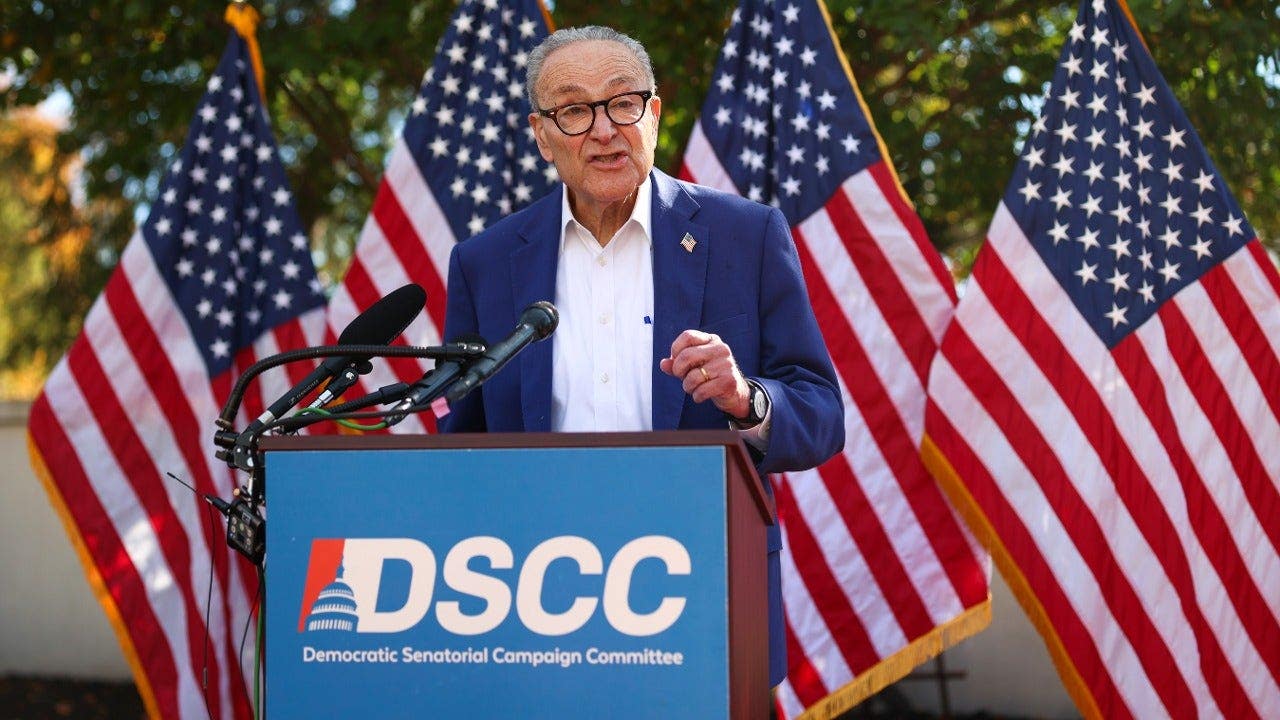
Congressional leadership contests are emerging after Democrats’ strong midterm performance. Senate Minority Leader Chuck Schumer faces opposition from several incoming Democrats, while House Minority Leader Hakeem Jeffries may also face progressive demands. Republicans are contesting House leadership roles, with Steve Scalise and Jim Jordan seeking the top position. The incoming majority may pursue action on health-care subsidies, AI and data centers, Iran war powers, tariffs, and government funding. Final seat totals remain unsettled, making the scope of each party’s leverage uncertain.
Biblical Context
Congressional leadership contests put questions of authority, accountability, justice, and public stewardship into practical view. Romans 13:1–4 describes governing authority as accountable to God and emphasizes the ruler’s responsibility to restrain wrongdoing and serve the public good; it does not endorse any particular party or policy. Proverbs 29:2 connects public leadership with the welfare of a people, making the selection and conduct of congressional leaders ethically significant rather than merely procedural. The article’s discussion of war powers also relates to Scripture’s concern that rulers act prudently and pursue peace. Luke 14:31–32 uses a king’s careful assessment before entering war as an illustration of sober judgment, although the passage is not a direct rule for modern congressional war powers. The debate over spending, taxation, health-care subsidies, tariffs, and AI policy can likewise be considered under the broader biblical duty of responsible stewardship and honest administration. Matthew 25:14–30 teaches faithfulness in managing entrusted resources, but it should not be treated as a simple endorsement of any modern fiscal program. Scripture offers principles for evaluating public decisions; it does not identify the correct party or predict the outcome of these leadership elections.
Watchmen Signals
Congressional leaders are debating authority over war, taxation, spending, health-care funding, tariffs, and emerging technology, while also deciding who will exercise that authority. Scripture directly addresses the moral responsibilities of rulers, justice, prudent decisions, and stewardship, though it does not settle the partisan disputes or endorse the policies described.
The leadership contests, possible war-powers votes, tariff disputes, and uncertainty over congressional control do not correspond to a particular prophetic passage. Political division and conflict are recurring features of human government, but those general similarities are not evidence that a specific biblical prophecy is being fulfilled.
Leadership caucuses and projected legislative battles are scheduled political developments, not a sudden crisis requiring immediate notification. The article analyzes what may happen after the election rather than announcing an immediate escalation or government emergency.
Biblical Sources
Scripture references supporting the biblical context above.
Jesus uses a king’s deliberation before war to illustrate the importance of assessing strength and consequences. The connection to the article’s war-powers debate is thematic and indirect, but it supports caution in decisions involving military action.
The parable of the talents emphasizes faithful stewardship of resources entrusted to a person. It offers a broader principle relevant to debates over public spending, taxation, economic policy, and government programs, while not prescribing a specific modern policy.
The proverb connects righteous leadership with the welfare of a people and oppressive rule with public grief. It provides a moral lens for considering the consequences of congressional leadership choices without endorsing a particular party.
Paul describes governing authority as answerable to God and responsible for restraining wrongdoing and serving a legitimate public function. This illuminates the article’s focus on congressional power, executive constraints, and the responsibilities of political leaders.
Comments
No comments yet.
Sign in to join the conversation.
Sign InStay Informed. Grow in Biblical Understanding.
Explore important news from around the world through the context of God's Word. Create your FREE Watchmen account to discover more news analysis, Biblical Insights, and Scripture-based perspectives.
Create Your FREE AccountFree to join. No credit card required.