Egyptian Christian Martyred in Libya
The Watchmen's Summary
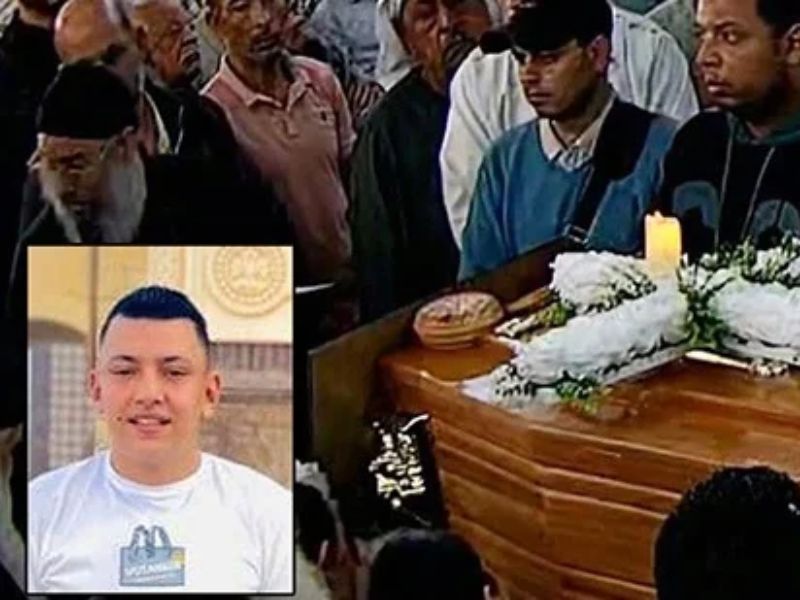
Milad Malak, a 20-year-old Egyptian Coptic Christian and church deacon, traveled to Libya for work and was kidnapped with two Muslim companions in Zliten on October 4. According to his sister and the account attributed to Worthy News, ISIS militants released the others after ransom payments but kept Milad because he would not convert to Islam. He was reportedly killed after refusing to renounce Christ. His body was returned weeks later, and Christians gathered in Egypt on October 28 to mourn him.
Biblical Context
Milad’s reported refusal to renounce Christ under threat of death directly connects the event with Jesus’ teaching that believers should fear God rather than those who can kill the body, while also recognizing the cost of publicly acknowledging Him (Matthew 10:28–33). His reported death after remaining faithful resembles the suffering Jesus warned His followers they might face because of His name (Matthew 24:9). Revelation 2:10 calls Christians to remain faithful amid persecution and speaks of the “crown of life,” while Revelation 6:9–11 portrays faithful believers who were killed because of their testimony and who await God’s justice. These passages speak directly to persecution, steadfast witness, and martyrdom. They do not independently verify the specific allegations in the account, identify the killers, or prove that a particular end-times event has begun. The connection to prophecy is therefore a comparison with a biblical pattern of persecution and faithful martyrdom, not a declaration that Milad’s death fulfills a specific chronological prophecy.
Watchmen Signals
Milad Malak’s reported kidnapping, coercion to renounce Christ, and killing after refusing directly concern subjects Scripture addresses: persecution for Jesus’ name, faithfulness under suffering, and the witness of believers who die for their testimony. Jesus and the apostles speak specifically to these circumstances, not merely to violence in general.
Jesus warned that some of His followers would be hated and killed because of His name, and Revelation portrays faithful witnesses who suffer martyrdom before God’s judgment. Milad’s reported death reasonably resembles that prophetic pattern, but one alleged killing does not establish that a particular end-times prophecy is being fulfilled.
Milad was killed in early October and his body was returned on October 28; this November 6 account is a retrospective report rather than a rapidly unfolding emergency requiring immediate notification.
Biblical Sources
Scripture references supporting the biblical context above.
Jesus teaches His disciples not to deny Him out of fear of those who can kill the body and addresses the cost of acknowledging Him before others. This directly relates to Milad’s reported refusal to renounce Christ under threat.
Jesus warns that His followers will face hatred, persecution, and death because of His name. The reported killing of a Christian who refused conversion corresponds to that persecution pattern, without proving a specific fulfillment.
Christ calls believers facing suffering to remain faithful even to the point of death and promises the crown of life. The passage directly illuminates the reported testimony of steadfastness under coercion.
John sees the souls of those killed for the word of God and their testimony, awaiting God’s judgment. This provides a specific prophetic pattern comparable to the reported death of a Christian because of his faith, while leaving fulfillment unestablished.
Comments
No comments yet.
Sign in to join the conversation.
Sign InStay Informed. Grow in Biblical Understanding.
Explore important news from around the world through the context of God's Word. Create your FREE Watchmen account to discover more news analysis, Biblical Insights, and Scripture-based perspectives.
Create Your FREE AccountFree to join. No credit card required.