Democrat who toppled GOP incumbent will head to court on felony charge just days after election upset
The Watchmen's Summary
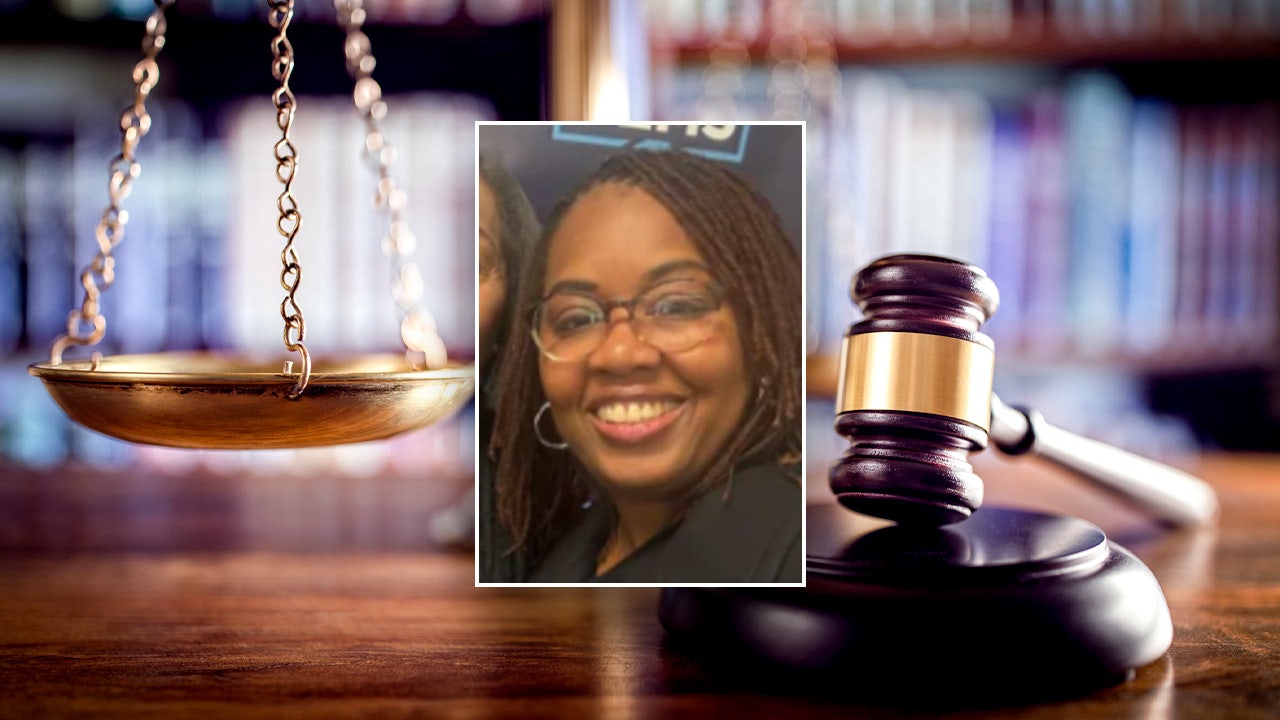
Democrat LaKesha Womack narrowly defeated incumbent Republican Rep. Tim Moore, winning 51.1% to 48.9% in North Carolina’s 14th Congressional District. One week later, she is scheduled to appear in court on a pending Class H felony allegation involving a $20,000 rental vehicle she allegedly failed to return in 2019. Womack has acknowledged the late return, citing homelessness and lack of knowledge about the case, but has not commented on the charge itself. House rules could affect her committee and leadership assignments if she takes office while formally charged.
Biblical Context
An elected official facing a pending felony allegation raises questions about justice, truthful judgment, accountability, and the responsibilities attached to public authority. Exodus 18:21 describes the selection of capable leaders who fear God, are trustworthy, and reject dishonest gain; it offers a principle for evaluating public leadership, not a basis for declaring Womack guilty. Romans 13:1-4 presents civil authority as responsible for maintaining order and punishing wrongdoing through lawful processes. That supports respect for the court’s role and for due process, while cautioning against treating an unresolved accusation as an established fact. The circumstances surrounding the alleged rental-vehicle offense also call for careful attention to both responsibility and vulnerability. Scripture condemns injustice and dishonest judgment, but it also requires impartiality rather than prejudice or favoritism. The supplied account gives Womack’s explanation that she was homeless and unaware of the case, yet it does not establish whether that explanation resolves the legal allegation. Biblical principles therefore support transparent accountability and fair adjudication without supplying a verdict in advance.
Watchmen Signals
An elected lawmaker is facing a pending felony allegation while preparing to assume public office, bringing questions of trustworthy leadership, lawful accountability, and fair judgment into view. Exodus 18:21 emphasizes capable and trustworthy leaders, while Romans 13:1-4 places the resolution of alleged wrongdoing within lawful civil authority; neither passage treats an unresolved charge as proof of guilt.
A close congressional election, a pending criminal case, and possible changes to committee assignments do not correspond to a specific biblical prophecy. Scripture addresses justice and public authority here, but the supplied facts provide no distinctive prophetic pattern or basis for claiming fulfillment.
The legal matter is active and has a scheduled court appearance, with possible consequences when Womack takes office, but it does not require immediate notification as an emergency.
Biblical Sources
Scripture references supporting the biblical context above.
Moses is told to appoint capable, trustworthy leaders who hate dishonest gain. The passage provides a relevant leadership and integrity principle while not determining whether the allegation against Womack is true.
The command to judge fairly and avoid partiality supports impartial treatment of both the elected official and those evaluating the allegation, especially when the case remains unresolved.
Paul describes governing authorities as responsible for public order and for addressing wrongdoing through lawful authority. It relates to the pending court process and the need to respect legal accountability without prejudging the defendant.
Comments
No comments yet.
Sign in to join the conversation.
Sign InStay Informed. Grow in Biblical Understanding.
Explore important news from around the world through the context of God's Word. Create your FREE Watchmen account to discover more news analysis, Biblical Insights, and Scripture-based perspectives.
Create Your FREE AccountFree to join. No credit card required.