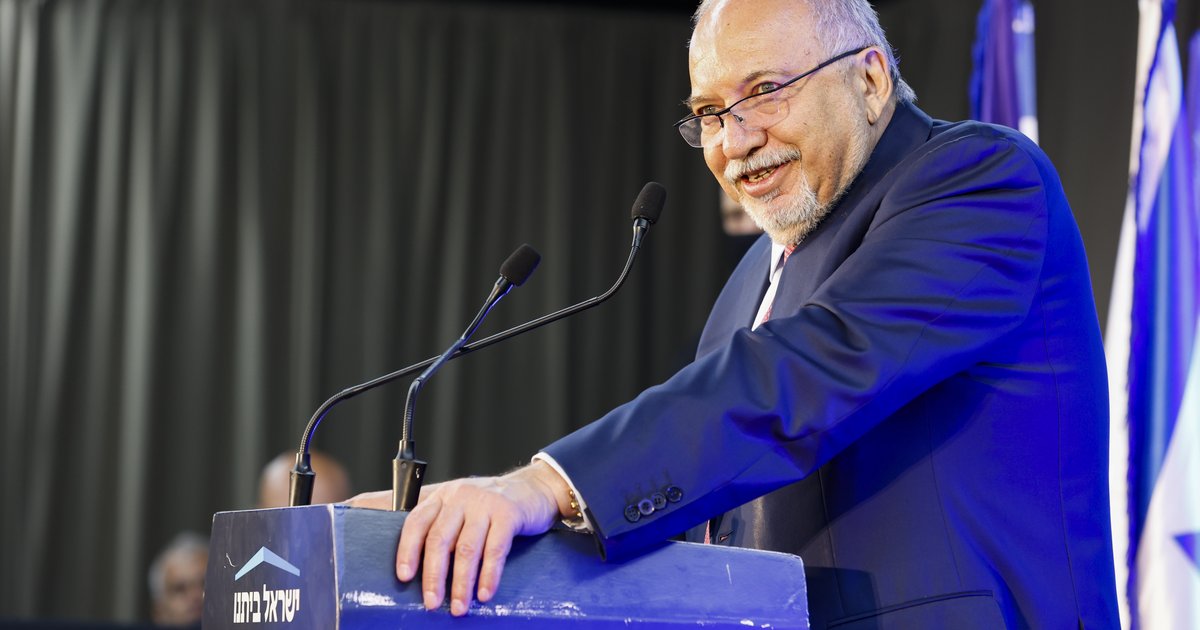
Paving way to surprise coalition? Liberman announces support for gov’t with ultra-Orthodox party, Eisenkot bloc
The Watchmen's Summary
Israel’s Change Bloc is considering a coalition with the ultra-Orthodox United Torah Judaism party, despite campaigning for a stricter military-draft law. Avigdor Liberman endorsed flexibility on conscription while insisting on ending Benjamin Netanyahu’s tenure, preventing another election, and excluding a government dependent on Arab-party abstentions. The bloc would need both UTJ and Shas to reach the 61-seat majority required to govern. UTJ has distanced itself from Netanyahu, but Shas and some UTJ lawmakers remain undecided. President Isaac Herzog is expected to designate a coalition builder on Sunday.
Biblical Context
Israel’s difficulty forming a government brings biblical attention to the responsibilities of leadership, the need for wise counsel, and the consequences of division. Proverbs 11:14 presents wise counsel as essential to the stability of a people; that principle is relevant to negotiations marked by competing blocs, vetoes, and the need for compromise, though it does not endorse any particular coalition. Romans 13:1-4 describes civil authority as having a public responsibility to restrain wrongdoing and pursue order. In the circumstances reported here, debates over national security, military service, and the formation of a functioning government can be considered alongside that general teaching, while recognizing that Paul is not prescribing Israel’s electoral system or resolving the conscription dispute. Psalm 133:1 praises unity among brothers. UTJ’s reference to “incitement and hatred between brothers” and the competing parties’ calls to set aside political and personal interests provide a limited thematic connection. The passage does not mean that political compromise is always righteous or that agreement among parties proves spiritual unity. No specific biblical prophecy is established by these coalition negotiations, leadership consultations, or the possibility of another election.
Watchmen Signals
Israel’s political blocs are struggling to form a government, preserve national security, and manage deep divisions over military service and relations between secular and ultra-Orthodox Jews. Scripture speaks meaningfully to leadership, wise counsel, public responsibility, and unity, although those principles do not determine which coalition should govern.
The reported negotiations, military-conscription dispute, and possible change of government do not correspond to a specific biblical prophecy. Israel’s political importance does not by itself make an ordinary coalition crisis a prophetic fulfillment.
Coalition negotiations are active, and President Herzog is expected to announce whom he will task with forming a government soon. The situation is changing quickly, but it does not yet require urgent notification.
Biblical Sources
Scripture references supporting the biblical context above.
The proverb links the safety and stability of a people with abundant wise counsel, providing a relevant principle for negotiations involving competing parties, mutual vetoes, and the search for a workable government.
The psalm praises the goodness of brothers dwelling in unity, offering a limited thematic connection to the article’s reports of hostility between political and religious factions and appeals to avoid division.
Paul describes governing authority as having a public responsibility connected with order and the restraint of wrongdoing. This broadly illuminates the article’s discussion of national security and the need for a functioning government, without resolving the political dispute.
Comments
No comments yet.
Sign in to join the conversation.
Sign InStay Informed. Grow in Biblical Understanding.
Explore important news from around the world through the context of God's Word. Create your FREE Watchmen account to discover more news analysis, Biblical Insights, and Scripture-based perspectives.
Create Your FREE AccountFree to join. No credit card required.