'The View' co-host confronts Abdul El-Sayed on his response to attack on Jewish Synagogue
The Watchmen's Summary
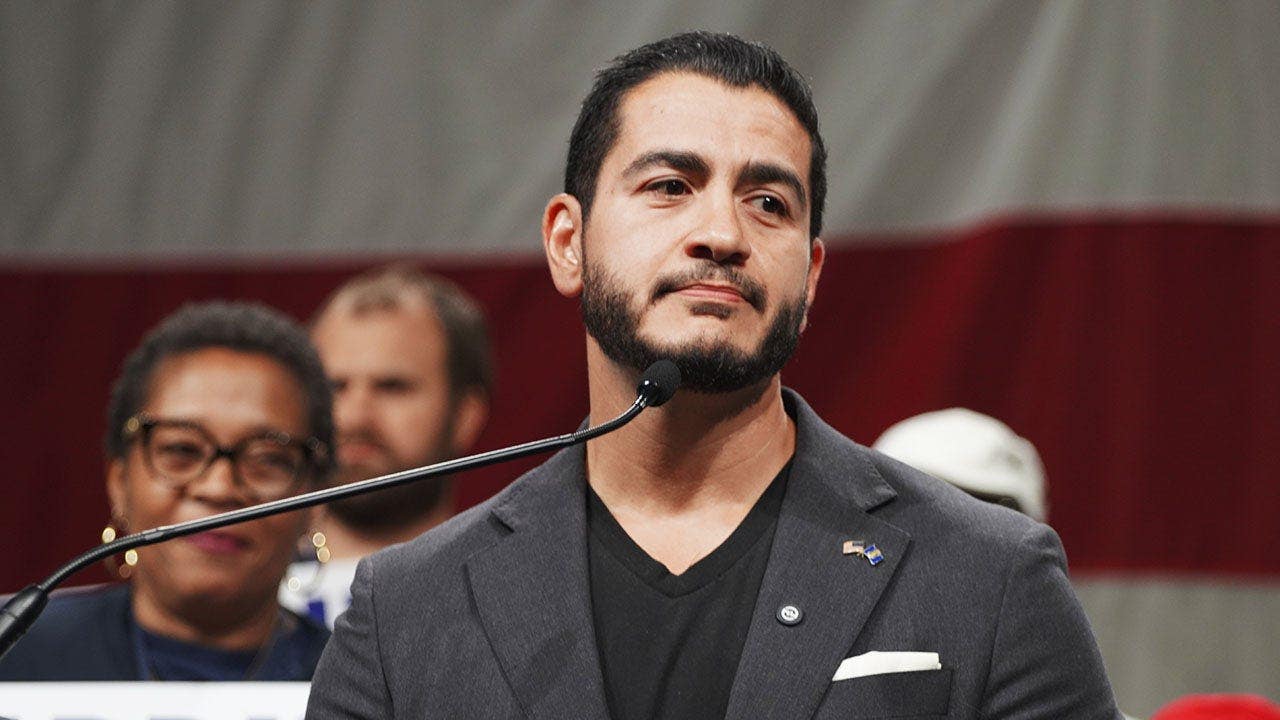
On March 12, a man drove a truck into Temple Israel in West Bloomfield Township, Michigan, exchanged gunfire with security personnel, and then killed himself, authorities said. Michigan Senator-elect Abdul-El Sayed condemned the attack but later drew criticism for saying, “Hurt people hurt people,” while citing relatives the attacker allegedly lost in an Israeli airstrike. During a television interview, El-Sayed apologized for taking about five months to recognize the comment’s impact, while critics said his explanation diluted responsibility for violence against Jewish worshipers.
Biblical Context
A truck attack on a synagogue and the ensuing debate over moral language bring the protection of human life, impartial justice, and public responsibility into direct view. Genesis 9:6 grounds the seriousness of murder in humanity’s creation in God’s image; Exodus 20:13 plainly prohibits murder. Those passages do not identify the attacker’s motive or make a prophetic claim about this event, but they establish why violence against worshipers cannot be excused by personal grievance or international events. Leviticus 19:15 calls for impartial judgment, and James 2:1-4 warns against showing partiality based on identity or status. Together, these passages support applying the same moral standard to violence against Jewish worshipers, Muslims, Christians, or any other people. They also caution against allowing political or religious identity to distort the evaluation of wrongdoing. Romans 13:1-4 describes governing authority as responsible for restraining wrongdoing and pursuing justice. It does not settle every question about a particular elected official’s remarks, but it helps explain why public leaders are expected to condemn attacks clearly and avoid language that appears to weaken accountability. The New Testament also calls believers to respond to suffering with genuine solidarity in Romans 12:15. That principle fits El-Sayed’s own later admission that context should not have displaced standing with grieving people, although the passage does not resolve whether his original comments were intended as justification. No specific biblical prophecy is established by the facts supplied. The attack involves religious violence and international conflict, but those broad features do not correspond closely enough to a particular prophetic passage to support a prophecy claim.
Watchmen Signals
A truck attack on people gathered at a Jewish synagogue raises the biblical prohibition of murder, the equal value of human life, and the obligation to pursue impartial justice. The dispute over a public leader’s response also touches Scripture’s concern that authorities restrain wrongdoing and that suffering people be met with solidarity rather than explanations that appear to lessen responsibility.
The attack and the political dispute do not correspond to a specific prophetic passage. Religious violence and international conflict are serious biblical themes, but those broad similarities do not establish that this event fulfills prophecy.
The attack occurred months before the televised exchange, and the current coverage revisits a delayed apology rather than reporting a new attack or immediate escalation.
Biblical Sources
Scripture references supporting the biblical context above.
The prohibition of murder directly establishes that personal grievance or political context cannot justify intentionally attacking innocent people.
Human life is treated as uniquely sacred because people are made in God's image; this supports the seriousness of an attack intended against people gathered at a synagogue.
James condemns partiality based on social identity, providing a relevant biblical caution against changing moral judgment according to which religious or ethnic group is targeted.
The command to judge impartially supports applying the same standard of justice regardless of the victims' religion or the attacker's identity.
The call to weep with those who weep relates to the dispute over whether immediate public solidarity with grieving worshipers should precede broader political context.
Paul describes governing authority as having responsibility to restrain wrongdoing and uphold justice, which illuminates the expectations placed on public leaders after violent attacks.
Comments
No comments yet.
Sign in to join the conversation.
Sign InStay Informed. Grow in Biblical Understanding.
Explore important news from around the world through the context of God's Word. Create your FREE Watchmen account to discover more news analysis, Biblical Insights, and Scripture-based perspectives.
Create Your FREE AccountFree to join. No credit card required.