Fueling Persecution Part 4 of 4: When Economic Pressure Finishes What Persecution Started
The Watchmen's Summary
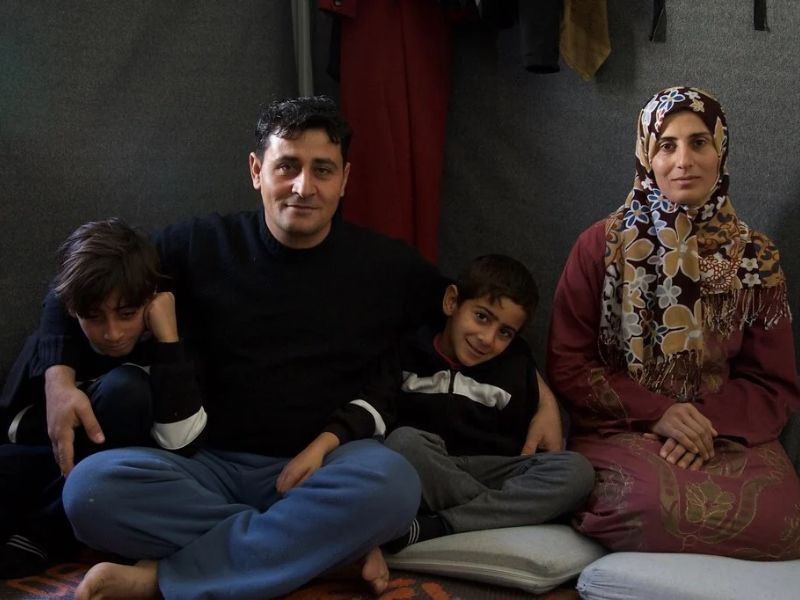
Lebanese Christian father “Fadi” is weighing emigration after years of conflict, economic collapse, and rising fuel, food, electricity, and transportation costs. The article argues that economic pressure can make recovery unsustainable even when families are no longer facing immediate violence. It connects similar challenges to Syrian returnees, citing reported concerns about housing, employment, infrastructure, and basic services. ICC says these pressures are contributing to Christian emigration, weakening churches, schools, businesses, and the long-term viability of local communities.
Biblical Context
Christian families enduring the aftermath of violence and poverty are directly connected to Scripture’s concern for persecuted believers and people lacking the necessities of life. Jesus teaches that those who suffer for righteousness should not be regarded as abandoned, while Hebrews calls believers to remember prisoners and those being mistreated as though sharing their suffering. These passages support attention to vulnerable Christian communities without claiming that every economic hardship is itself persecution. James 2:15–17 speaks especially clearly to the circumstances described: seeing a brother or sister lacking clothing and daily food while offering only words is inadequate faith. The passage does not prescribe a particular economic policy, but it does require practical concern for believers facing material deprivation. The ICC’s emphasis on emergency assistance and livelihood recovery can therefore be evaluated against the biblical expectation that aid address real needs. The article also describes a broader community effect when families cannot afford to remain: churches lose members, schools lose students, and local institutions weaken. Galatians 6:10 encourages believers to do good to everyone, especially fellow believers, which supports sustained care for Christian communities under pressure. Acts 11:27–30 provides an example of churches organizing material relief for believers facing famine. These passages support charitable and communal assistance, but they do not establish that current Lebanese or Syrian conditions fulfill a particular prophecy. Scripture also recognizes the value of faithful endurance and care for suffering believers, but it does not promise that every Christian community will remain demographically stable in its historic location. Decisions about emigration involve safety, livelihood, education, and family responsibility; the biblical connection is therefore principally one of compassion, solidarity, and practical stewardship rather than a direct prediction about Lebanon or Syria.
Watchmen Signals
Lebanese and Syrian Christians are described as facing poverty, displacement, damaged livelihoods, and the lingering effects of violence, while local churches and families struggle to remain. Scripture directly addresses care for suffering believers, practical help for people lacking basic necessities, and faithful solidarity with those enduring persecution, although it does not prescribe a specific response to energy inflation or emigration.
Rising energy costs, economic collapse, and Christian emigration do not correspond with enough specificity to a particular biblical prophecy. The conditions may resemble broad biblical themes of suffering and displacement, but the passage provides no distinctive prophetic markers or evidence that a prophecy is being fulfilled.
This is a feature-style examination of continuing economic and demographic pressures, supported by previously issued assessments. It does not describe a sudden event requiring immediate notification.
Biblical Sources
Scripture references supporting the biblical context above.
The early churches responded to an anticipated famine by organizing relief for believers in Judea, offering a concrete biblical example of coordinated material support during economic hardship.
The command to do good to everyone, especially the household of faith, supports sustained care for vulnerable Christian families and communities.
Believers are instructed to remember prisoners and those being mistreated as though they themselves were suffering, supporting solidarity with Christians affected by violence, displacement, and instability.
James teaches that faith must respond practically when fellow believers lack food and clothing, directly illuminating the article’s focus on poverty, daily expenses, and material assistance.
Jesus addresses those persecuted for righteousness and calls them blessed, providing direct biblical context for Christian communities living with the effects of persecution and hostility.
Comments
No comments yet.
Sign in to join the conversation.
Sign InStay Informed. Grow in Biblical Understanding.
Explore important news from around the world through the context of God's Word. Create your FREE Watchmen account to discover more news analysis, Biblical Insights, and Scripture-based perspectives.
Create Your FREE AccountFree to join. No credit card required.