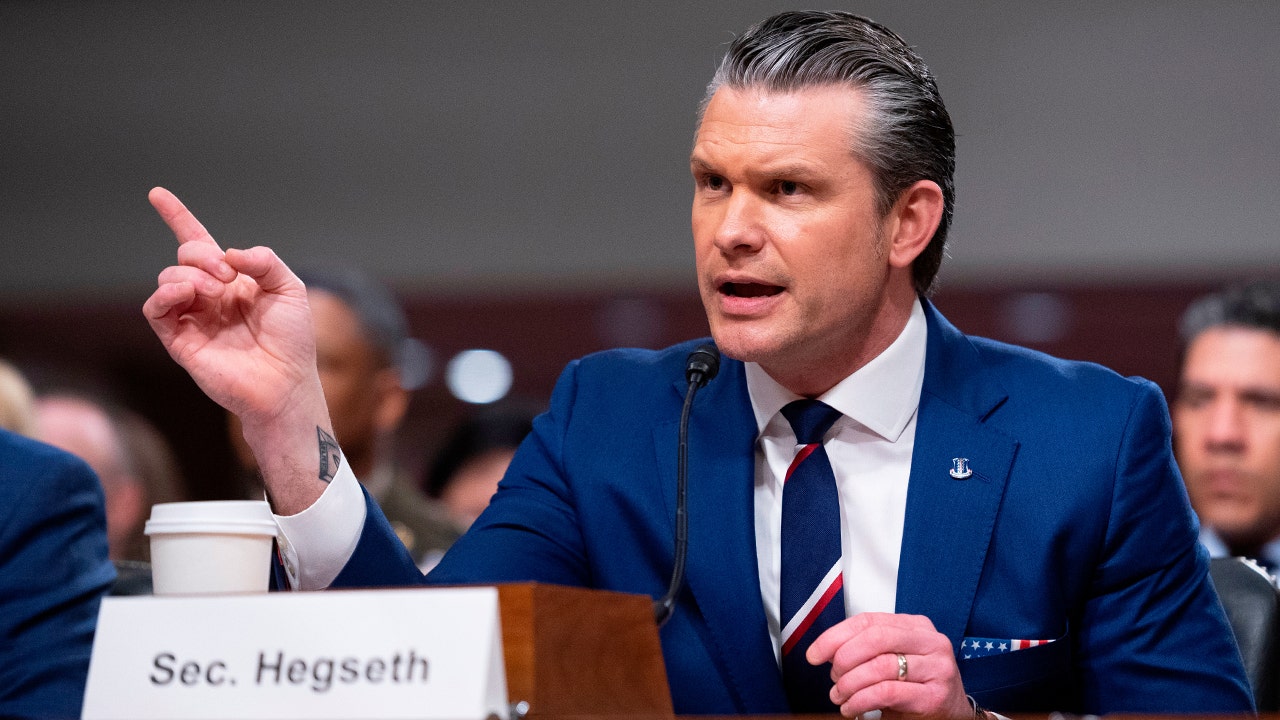
Hegseth demands $350B for military, fires back at Dem impeachment push
The Watchmen's Summary
Defense Secretary Pete Hegseth is urging Congress to approve at least $350 billion in additional defense funding while resisting an impeachment effort led by Rep. Thomas Massie. Massie’s eight articles accuse Hegseth of violating congressional war powers during U.S. operations against Iran and abusing authority in other military actions. The House has not voted on the articles. President Donald Trump says he will retain Hegseth, who also defended Pentagon personnel changes, the elimination of DEI initiatives, and efforts to rebuild recruitment and military capacity.
Biblical Context
Romans 13:1–4 recognizes civil government as an authority permitted by God and describes the ruler’s responsibility to restrain wrongdoing and serve the public good. That principle can illuminate Hegseth’s defense of executive military authority, but it does not grant unlimited power to a cabinet official or settle whether particular operations violated congressional law. Deuteronomy 16:18–20 commands the appointment of judges and officials who judge fairly, reject partiality, and pursue justice. The passage provides a relevant standard for evaluating the impeachment dispute and congressional oversight: accusations and political loyalties should not replace impartial examination of evidence. It does not specifically prescribe the modern U.S. impeachment process or determine whether Massie’s allegations are valid. Together, these passages support careful attention to both lawful governmental authority and accountability in the exercise of power. Scripture does not endorse the specific defense package, Hegseth’s personnel policies, the impeachment effort, or either side’s claims about the Iran operations. No specific prophetic passage is established by the reported conflict, the military buildup, or the reference to Iran.
Watchmen Signals
The dispute over military authority, congressional war powers, accountability, and the conduct of national leaders connects with Scripture’s teaching that rulers should exercise authority for public order and justice. Romans 13:1–4 and Deuteronomy 16:18–20 provide principles for evaluating lawful authority and impartial judgment, but they do not specifically address U.S. impeachment procedures, defense appropriations, or the disputed Iran operations.
The reported Iran operations, proposed defense buildup, and political conflict do not correspond to a distinct prophetic passage with identifiable defining elements. Scripture contains broad teaching about war and rulers, but those general themes are not enough to establish that a particular prophecy is being fulfilled.
The impeachment effort may be renewed when Congress returns, while the administration continues defending its Iran operations and seeking major defense funding. These developments warrant monitoring, but no immediate vote, attack, emergency action, or sudden government change is described.
Biblical Sources
Scripture references supporting the biblical context above.
Moses instructs officials to judge fairly, reject partiality, and pursue justice. These principles apply to congressional scrutiny of the allegations against Hegseth, while stopping short of validating either the impeachment effort or its defense.
Paul describes governing authorities as responsible for public order and the punishment of wrongdoing. This provides a biblical framework for considering executive military authority and its obligation to serve the public good, while not resolving the specific legal dispute reported here.
Comments
No comments yet.
Sign in to join the conversation.
Sign InStay Informed. Grow in Biblical Understanding.
Explore important news from around the world through the context of God's Word. Create your FREE Watchmen account to discover more news analysis, Biblical Insights, and Scripture-based perspectives.
Create Your FREE AccountFree to join. No credit card required.