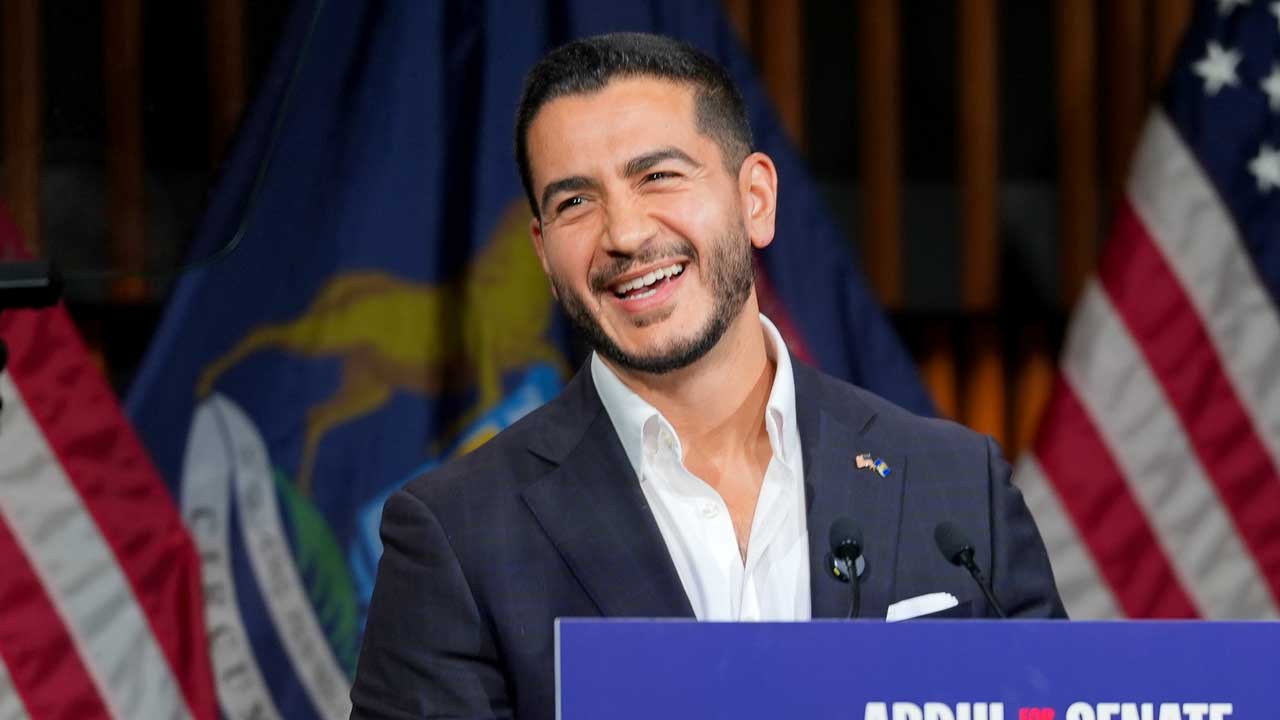
University of Michigan students rally behind Abdul El-Sayed after his Senate win over Mike Rogers
The Watchmen's Summary
University of Michigan students celebrated Abdul El-Sayed’s reported victory over Republican Mike Rogers in Michigan’s U.S. Senate race. Students cited hopes for economic change, inclusion, and El-Sayed’s ties to the university. The campaign unfolded amid intense campus polarization, including a reported physical confrontation in which conservative Jewish activist Lizzy Benichou was allegedly shoved and kicked during a discussion involving Islam and Iranian women’s rights. El-Sayed also criticized Rogers and attacked AIPAC’s campaign spending during the Democratic primary.
Biblical Context
Political leadership carries responsibilities of justice, restraint, and public service. Romans 13:1–4 describes governing authority as accountable to God and intended to restrain wrongdoing rather than promote it; that principle is relevant to evaluating a senator-elect’s conduct and the responsibilities of public office, without implying that Scripture endorses any particular candidate or party. The reported physical assault at a campus event raises a more direct concern about violence and self-control. Proverbs 15:1 commends a gentle response in situations of anger, while James 1:19–20 urges people to be quick to listen, slow to speak, and slow to anger because human anger does not produce God’s righteousness. These passages do not resolve the political or ideological dispute described, but they clearly reject replacing discussion with intimidation or violence. Micah 6:8 calls for justice, mercy, and humble conduct before God. That standard can be applied to the treatment of political opponents, minority communities, campus speakers, and those involved in contentious debates. The article’s references to accusations of hate, inclusion, Jewish and Israel-related advocacy, and an assault illustrate the need for careful facts and equitable treatment; they do not by themselves establish that any party or political position fulfills or violates the passage in every respect. The reported election, campus conflict, and campaign rhetoric do not correspond to a particular biblical prophecy. They reflect ordinary political contestation, hostility, and concerns about violence—conditions that Scripture addresses morally, but not a distinct prophetic event.
Watchmen Signals
A contested Senate victory, a reported physical assault at a campus event, and hostile rhetoric involving political and Israel-related disputes raise concrete questions about the responsibilities of rulers, justice, restraint, and the treatment of others. Romans 13:1–4, Proverbs 15:1, James 1:19–20, and Micah 6:8 speak meaningfully to those concerns, although the development is political rather than specifically religious.
The election, campus confrontation, and references to Israel-related advocacy do not identify a particular prophetic event described in Scripture. Political division, hostile speech, and violence are serious moral concerns, but their general resemblance to biblical warnings is not enough to establish a prophetic connection.
The election result and campus incident are important developments, but the immediate events have already occurred and no rapidly escalating emergency is described. Readers may reasonably follow the political consequences without requiring urgent notification.
Biblical Sources
Scripture references supporting the biblical context above.
James calls for careful listening and restraint in anger, principles relevant to a dispute that reportedly escalated into physical violence.
Micah’s call to do justice, love mercy, and walk humbly with God provides a biblical standard for evaluating the treatment of opponents, speakers, and people caught in politically charged disputes.
The proverb contrasts a gentle answer with words that intensify anger, directly illuminating the article’s account of heated political rhetoric and a campus confrontation.
Paul describes governing authority as accountable to God and charged with restraining wrongdoing, providing a relevant framework for considering the responsibilities of a senator-elect and public officials.
Comments
No comments yet.
Sign in to join the conversation.
Sign InStay Informed. Grow in Biblical Understanding.
Explore important news from around the world through the context of God's Word. Create your FREE Watchmen account to discover more news analysis, Biblical Insights, and Scripture-based perspectives.
Create Your FREE AccountFree to join. No credit card required.