Israel questions impartiality of newly elected ICJ judges
The Watchmen's Summary
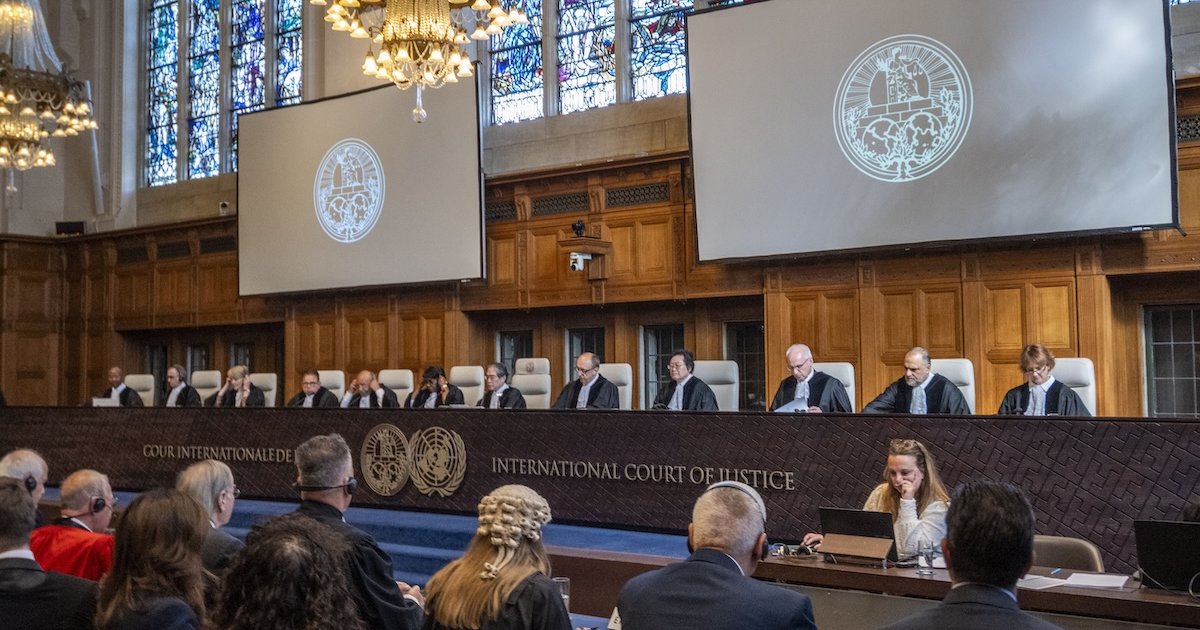
The United Nations elected five judges to nine-year terms on the International Court of Justice beginning February 6, 2027. Israeli Ambassador Danny Danon questioned whether several can act impartially in cases involving Israel, citing prior statements or legal roles concerning Gaza, Judea and Samaria, and East Jerusalem. Jordanian judge Mahmoud Hmoud and Kenyan judge Phoebe Okowa already serve on the court, while Dapo Akande represented Japan in related proceedings. Israel also criticized ICJ President Nawaf Salam’s past accusations against Israel.
Biblical Context
The election raises a concrete question about impartial justice: Israeli officials argue that judges who previously criticized Israel or represented states in proceedings involving it may not be able to approach future cases neutrally. Deuteronomy 16:18-20 instructs judges to administer righteous judgment, reject partiality, and pursue justice. That principle supports scrutiny of fairness and conflicts of interest, but it does not establish that the elected judges are actually biased; their prior legal work may also reflect professional representation rather than personal prejudice. Zechariah 12:2-3 describes Jerusalem becoming a focal point of international opposition and says that nations gathering against it will ultimately encounter God’s judgment. The ICJ appointments and the legal disputes involving Israel provide a limited thematic comparison because they concern international treatment of Israel and Jerusalem-related territory. They do not, however, constitute the broader gathering or decisive circumstances described in that prophetic passage, so no fulfillment claim is warranted.
Watchmen Signals
The United Nations’ election of judges with prior legal or public roles in proceedings concerning Israel raises a concrete question about impartial justice, a subject Scripture addresses directly. Deuteronomy 16:18-20 calls judges to reject partiality and pursue justice, while Zechariah 12:2-3 places Jerusalem and opposition from the nations within a significant biblical pattern; neither passage proves that these particular judges are biased.
The appointments and prior legal involvement show international dispute and criticism concerning Israel, but they do not present the distinctive, broader circumstances described in prophecies about nations gathering against Jerusalem. Zechariah 12:2-3 allows a limited comparison, not a responsible conclusion that the prophecy is being fulfilled.
The judges have been elected, but their nine-year terms begin in 2027 and no immediate ruling or emergency action is described. The appointments may shape future cases, making this a developing issue to monitor rather than a prompt alert.
Biblical Sources
Scripture references supporting the biblical context above.
These instructions require judges to administer righteous judgment, avoid partiality, and pursue justice, directly informing the concern over whether judges handling cases involving Israel can act impartially.
This prophecy portrays Jerusalem as a focal point of opposition among nations. It offers a limited thematic comparison to international disputes and criticism involving Israel, but the current judicial appointments do not establish that the prophecy is being fulfilled.
Comments
No comments yet.
Sign in to join the conversation.
Sign InStay Informed. Grow in Biblical Understanding.
Explore important news from around the world through the context of God's Word. Create your FREE Watchmen account to discover more news analysis, Biblical Insights, and Scripture-based perspectives.
Create Your FREE AccountFree to join. No credit card required.