17 years after Fort Hood massacre, victims' families grapple with gunman's looming execution
The Watchmen's Summary
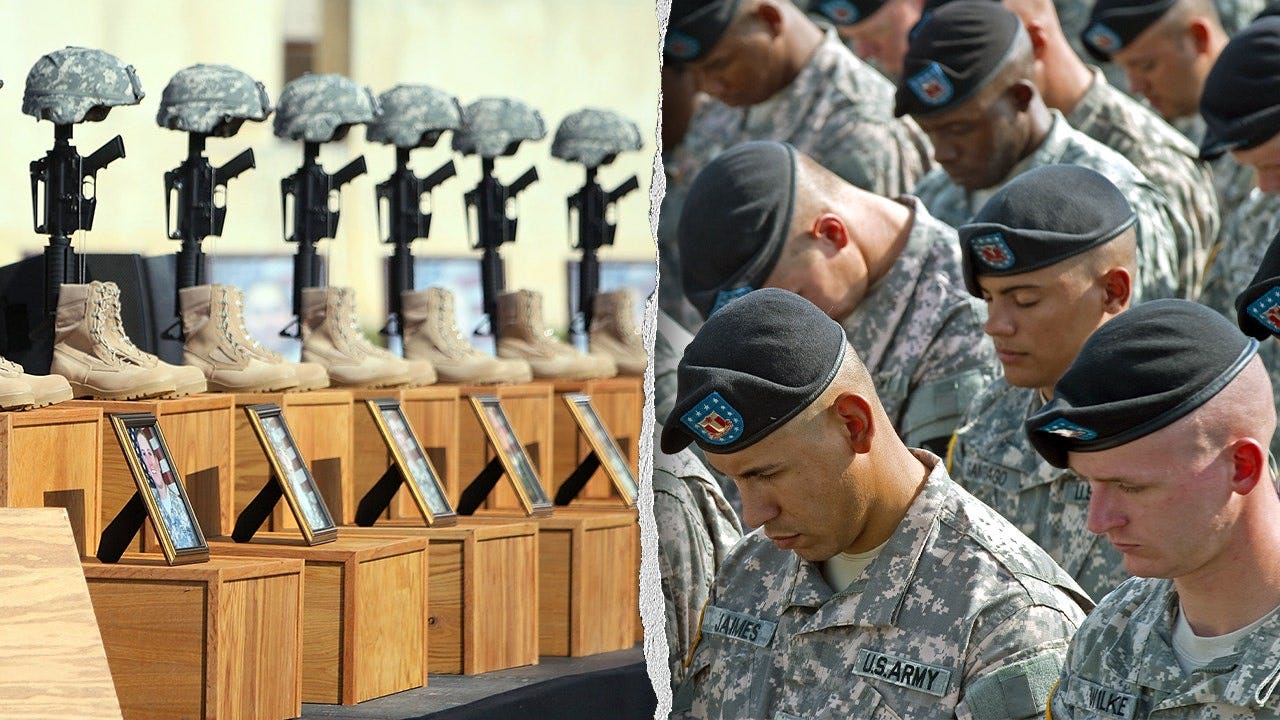
Nearly 17 years after the Nov. 5, 2009, Fort Hood massacre, families of victims Michael Cahill, Amy Krueger, and Justin DeCrow continue honoring their loved ones’ military service and devotion to others. Army psychiatrist Nidal Hasan was convicted in 2013 and sentenced to death. President Donald Trump later approved the sentence, with an execution by firing squad scheduled for Dec. 3. Families expressed differing views on whether execution would bring closure and opposed a proposed livestream, which was subsequently canceled.
Biblical Context
The killing of 13 people directly engages Scripture’s prohibition of murder and its insistence that human life bears God-given dignity. Genesis 9:6 grounds the seriousness of taking life in humanity’s creation in God’s image, while Exodus 20:13 states the basic prohibition against murder. These passages do not by themselves settle every question about capital punishment, but they clarify why the massacre and the loss suffered by the families are morally grave. The dispute over Hasan’s execution also relates to the Bible’s teaching about civil authority and punishment. Romans 13:1-4 describes governing authorities as responsible for restraining wrongdoing and administering justice; it provides a framework for considering the state’s role, but it does not validate every particular sentence or execution method. The families’ differing responses further show that legal punishment and personal closure are not identical: one family member welcomes the execution as justice, while others say it is unnecessary for their healing. Scripture also recognizes the continuing reality of grief. Psalm 34:18 speaks of God’s nearness to the brokenhearted, and Matthew 5:4 promises comfort to those who mourn. The families’ memorial practices, scholarship work, and efforts to preserve the victims’ character are not themselves prescribed as fulfillment of those passages, but they illustrate the enduring burden of bereavement and the importance of remembering those who were lost. No specific prophetic passage identifies the Fort Hood massacre, Hasan’s execution, or a firing squad; the story should therefore be treated as a matter of justice, grief, and human responsibility rather than prophetic fulfillment.
Watchmen Signals
The Fort Hood massacre involved the deliberate killing of 13 people, while the subsequent death sentence raises questions about justice, punishment, and the authority of government. Scripture directly addresses murder, the protection of human life, civil responsibility, and God’s concern for those who mourn, even though it does not determine every legal detail of Hasan’s case.
No specific biblical prophecy describes the Fort Hood massacre, Hasan’s conviction or execution, or the use of a firing squad. Islamic extremism, terrorism, martyrdom, and military conflict may have religious or moral significance, but those broad similarities do not establish a prophetic correspondence.
The execution order, its scheduled date, and the briefly proposed livestream represent an evolving legal and public controversy that readers may want to monitor. The situation is important, but the article does not describe an immediate attack, emergency, or rapidly escalating crisis.
Biblical Sources
Scripture references supporting the biblical context above.
The command against murder directly addresses the deliberate killing reported at Fort Hood.
The passage grounds the seriousness of taking human life in humanity’s creation in the image of God, directly illuminating the moral gravity of the 13 killings.
Jesus’ promise of comfort to those who mourn offers direct biblical context for the families’ continuing bereavement and remembrance.
The passage speaks to God’s nearness to the brokenhearted and relates to the families’ prolonged grief after losing loved ones.
Paul describes civil authorities as responsible for restraining wrongdoing and administering punishment, providing biblical context for the debate over Hasan’s death sentence while not deciding the particulars of this case.
Comments
No comments yet.
Sign in to join the conversation.
Sign InStay Informed. Grow in Biblical Understanding.
Explore important news from around the world through the context of God's Word. Create your FREE Watchmen account to discover more news analysis, Biblical Insights, and Scripture-based perspectives.
Create Your FREE AccountFree to join. No credit card required.