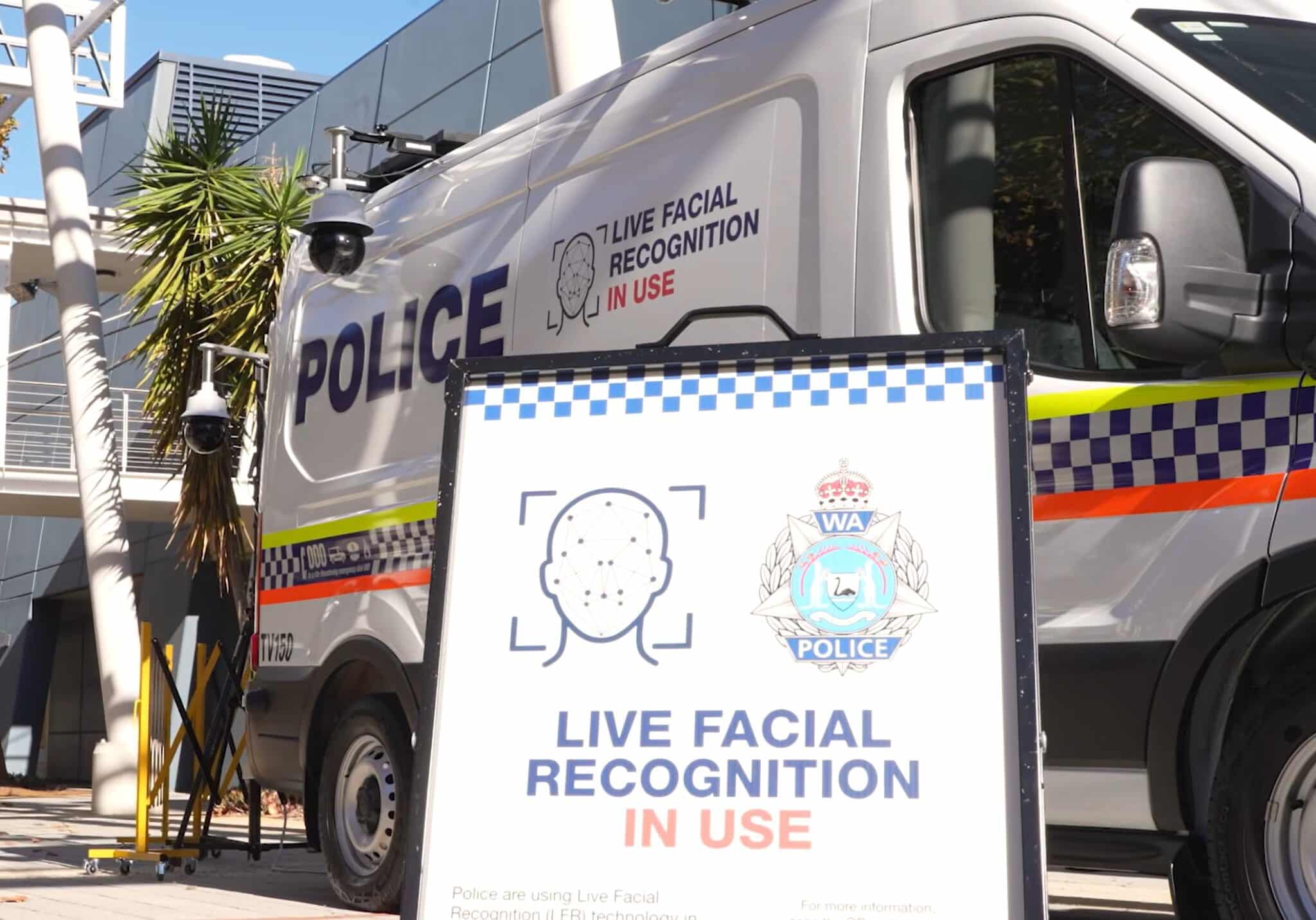
Western Australia live facial recognition trial results:1.4M faces, 122 arrests
The Watchmen's Summary
Western Australia has completed a five-month live facial-recognition trial using 100 cameras across 43 locations. The system scanned 1,380,882 faces, generated 292 alerts—including nine incorrect matches—identified 146 registered sex offenders, and preceded 122 arrests. Police cite a 0.00065 percent false-match rate and describe the technology as effective. Critics question whether scanning such a large share of the public is proportionate, especially after limited consultation, concerns about Aboriginal bias, and the absence of independent oversight.
Biblical Context
Facial recognition places civil authority in the position of protecting the public while handling information about people who have not been accused of wrongdoing. Romans 13:3-4 recognizes a legitimate role for government in restraining wrongdoing, but that authority is described as a stewardship for public good, not an unlimited license. The reported arrests and stated crime-prevention goals fit that limited purpose, while the scale of scanning raises questions about whether the means remain proportionate to it. Scripture also requires justice, truthful judgment, and protection for vulnerable people. Micah 6:8 calls those who exercise power to practice justice and humility; Proverbs 31:8-9 commands advocacy for those whose cases may be overlooked. Those principles are relevant to the reported lack of formal consultation and to Aboriginal concerns about bias and systemic oppression. They do not establish that the technology is inherently unjust, but they support careful scrutiny of unequal effects and independent accountability. Every person’s dignity remains significant even when biometric data is used for public safety. Genesis 1:27 grounds human worth in humanity’s creation in God’s image. That teaching does not prohibit law-enforcement technology, nor does it provide a technical privacy rule, but it cautions against treating members of the public merely as data points in an expanding surveillance system. No specific biblical prophecy is established by this trial: facial recognition does not supply the worship, allegiance, or economic-control elements associated with Revelation 13.
Watchmen Signals
Western Australia’s police use of live facial recognition directly raises questions about civil authority, justice, protection from oppressive or biased treatment, and the dignity owed to people scanned in public. Romans 13:3-4 supports government’s role in restraining wrongdoing, while Micah 6:8, Proverbs 31:8-9, and Genesis 1:27 provide standards for evaluating proportionality, accountability, unequal effects, and respect for human beings. Scripture does not address biometric surveillance specifically.
A large facial-recognition trial can prompt comparisons with future systems of control, but the reported facts do not identify a particular prophetic fulfillment. Revelation 13 describes worship, coerced allegiance, and restrictions connected with buying and selling; none of those defining elements is reported here. The connection is therefore too general to treat the trial as prophetic evidence.
The five-month trial has ended, and the immediate next step is an internal evaluation rather than a sudden emergency. Broader deployment may merit monitoring, but the present update does not require prompt notification.
Biblical Sources
Scripture references supporting the biblical context above.
Humanity’s creation in God’s image establishes the dignity of every person. It provides a foundational principle for considering whether large-scale biometric monitoring treats people with appropriate respect, while not itself settling the legality of facial recognition.
The command to do justice, love mercy, and walk humbly with God provides a direct ethical framework for evaluating proportionality, public power, and the treatment of people affected by surveillance.
The call to speak for those who cannot adequately speak for themselves supports attention to communities’ concerns about bias, systemic oppression, and limited consultation.
Paul describes civil authorities as having a legitimate role in restraining wrongdoing and serving the public good. The passage helps frame police use of facial recognition as delegated authority that must be exercised for its proper purpose.
Comments
No comments yet.
Sign in to join the conversation.
Sign InStay Informed. Grow in Biblical Understanding.
Explore important news from around the world through the context of God's Word. Create your FREE Watchmen account to discover more news analysis, Biblical Insights, and Scripture-based perspectives.
Create Your FREE AccountFree to join. No credit card required.