Michigan Elects Abdul El-Sayed as America’s First Muslim Senator
The Watchmen's Summary
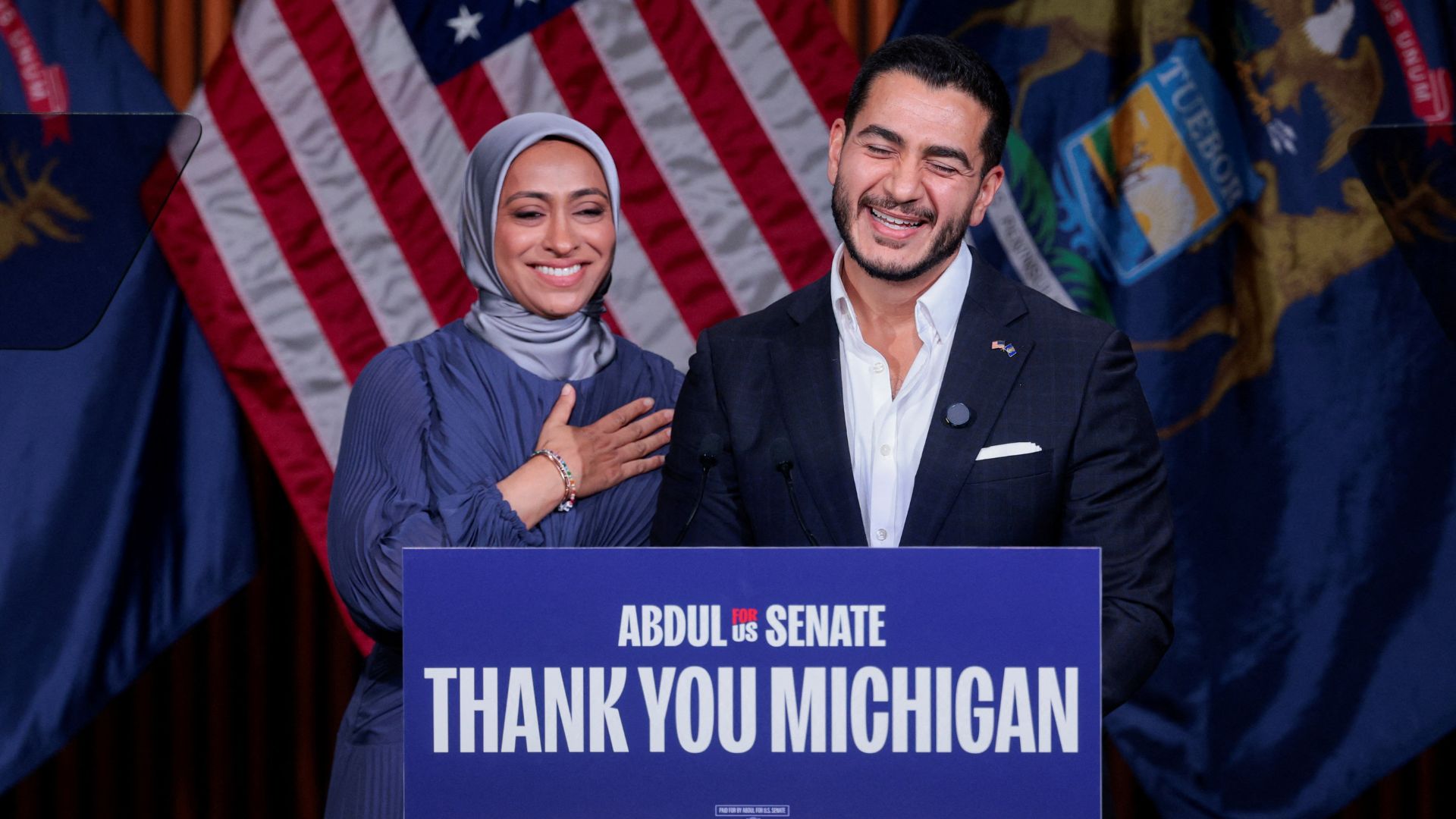
Democrat Abdul El-Sayed defeated Republican Mike Rogers for Michigan’s open U.S. Senate seat, according to the supplied report, becoming the first Muslim elected to the Senate. El-Sayed, a former public health official, campaigned for Medicare for All and opposed U.S. military aid to Israel. He previously appeared with Rep. Rashida Tlaib at a 2019 Democratic Socialists of America fundraiser, and some DSA members canvassed for him without a formal endorsement. The victory preserves Democratic control after Senator Gary Peters announced his retirement.
Biblical Context
Abdul El-Sayed’s election is not itself identified in Scripture, and the report does not establish a prophetic event. The biblical connection arises from the responsibilities of public authority and from the significance of policy toward Israel. Romans 13:1–4 describes governing authorities as institutions that bear responsibility for public order and justice; it provides a framework for considering the duties of a newly elected senator without endorsing a particular party or policy. Genesis 12:1–3 records God’s promise concerning Abraham and his descendants and says that those who bless or dishonor them will not be treated indifferently by God. Applying that passage directly to every modern U.S. policy decision would go beyond the text, but it makes Israel-related policy a legitimate subject for careful biblical reflection. Nothing in the reported election corresponds specifically enough to a biblical prophecy to warrant calling it prophetic fulfillment.
Watchmen Signals
Abdul El-Sayed’s election places a new national lawmaker in a position of authority and brings his opposition to U.S. military aid for Israel into the Senate debate. Romans 13:1–4 addresses the responsibilities of governing officials, while Genesis 12:1–3 gives Israel’s treatment a distinctive biblical significance; neither passage determines the election’s political outcome or automatically endorses a particular aid policy.
A Muslim candidate’s election and opposition to military aid for Israel do not correspond to a specific prophetic passage with sufficient detail. The report contains no distinctive prophetic elements, so it should not be presented as evidence that a biblical prophecy is being fulfilled.
The election result is newly announced and may warrant monitoring for its effect on U.S. policy toward Israel, but it does not present an immediate crisis or require urgent notification.
Biblical Sources
Scripture references supporting the biblical context above.
God’s covenant promise to Abram includes a distinctive relationship between blessing or dishonoring Abram’s descendants and God’s response. That principle supports careful consideration of policies affecting Israel, while not providing a direct verdict on this election or every modern policy dispute.
Paul describes governing authorities as established institutions with responsibility to restrain wrongdoing and promote public order. The passage offers a biblical framework for considering the responsibilities of a newly elected senator.
Comments
No comments yet.
Sign in to join the conversation.
Sign InStay Informed. Grow in Biblical Understanding.
Explore important news from around the world through the context of God's Word. Create your FREE Watchmen account to discover more news analysis, Biblical Insights, and Scripture-based perspectives.
Create Your FREE AccountFree to join. No credit card required.