Majority of Americans broadly reject socialist ideology even as far left surges to power
The Watchmen's Summary
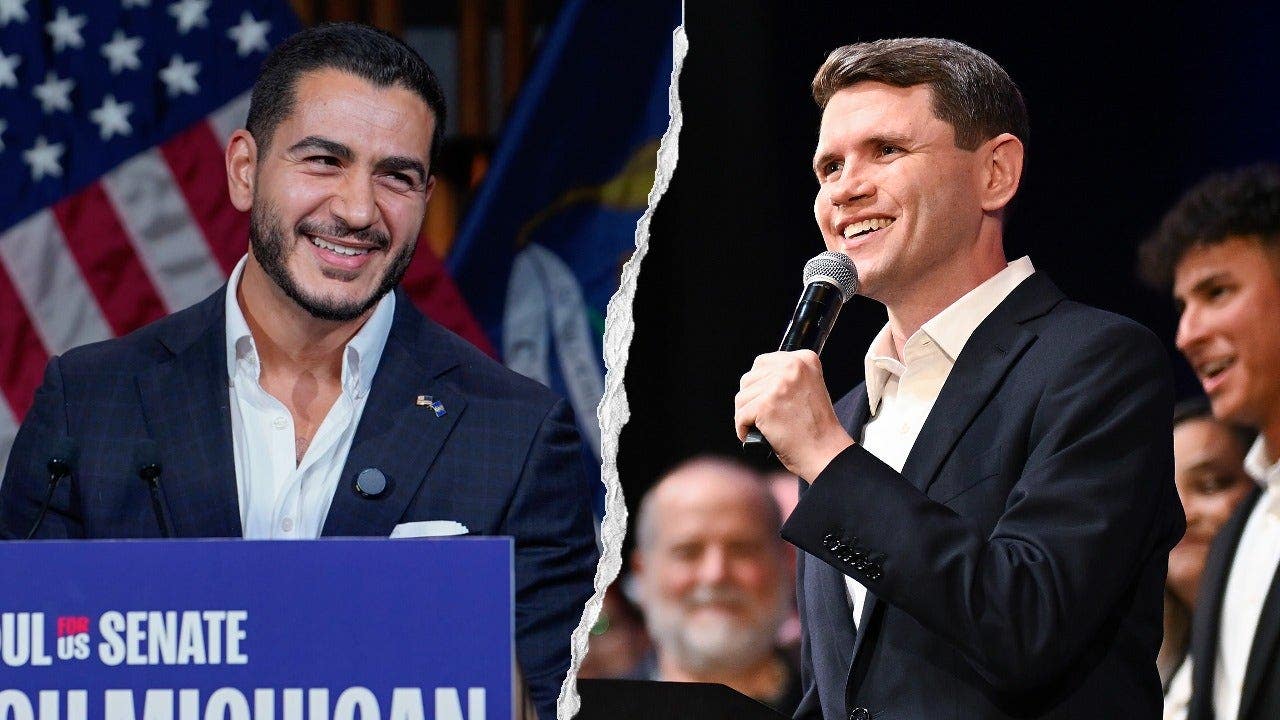
A Fox News Voter Poll of 100,000 registered voters found that 54% viewed socialism negatively and 57% viewed capitalism positively, yet 69% said the economy favors the wealthy. The findings followed election victories by left-leaning candidates including Michigan Democrat Abdul El-Sayed and Texas Democrat James Talarico. Both candidates rejected socialist labels while supporting regulated capitalism, stronger antitrust enforcement, and policies requiring wealthy Americans to pay more. The results suggest voters may distinguish between capitalism as a system and opposition to monopolies, inequality, and concentrated wealth.
Biblical Context
Economic inequality, concentrated power, political influence, and the treatment of the wealthy and poor are subjects Scripture addresses directly, although it does not endorse either modern capitalism or socialism as a complete economic system. Proverbs 14:31 condemns oppressing the poor because it dishonors their Maker, while James 5:1-6 sharply rebukes wealthy people who accumulate riches, withhold wages, and live in luxury while exploiting workers. These passages support serious concern about injustice and exploitation, but they do not by themselves prescribe a particular tax or antitrust policy. Scripture also presents property, stewardship, generosity, and personal responsibility in ways that complicate simple ideological conclusions. In Acts 5:4, Peter’s words to Ananias indicate that the property remained his to dispose of and that the issue was deceit, not the mere possession of private property. First Timothy 6:17-19 instructs wealthy believers not to place their hope in riches but to be generous and ready to share. That teaching addresses moral conduct and stewardship rather than establishing a government economic model. Romans 13:1-4 recognizes a legitimate role for civil authorities in restraining wrongdoing, which can inform discussion of regulation, but it does not settle how governments should regulate markets. The reported polling and election results therefore invite biblical reflection on justice, stewardship, and public responsibility without demonstrating that either political ideology is biblically mandated.
Watchmen Signals
Voters’ concerns about wealth concentration, monopolies, political influence, and the economic treatment of poorer people correspond to biblical teaching on justice, honest dealings, stewardship, and responsibility toward the vulnerable. Scripture addresses those moral questions, but it does not identify capitalism, socialism, or any modern regulatory program as the complete answer.
The poll results, candidate victories, and debate over regulated capitalism do not correspond to a specific biblical prophecy or distinctive prophetic pattern. They describe political and economic preferences, not an identifiable prophetic event.
The polling and election results provide useful political context, but they describe completed events and broader voter attitudes rather than a rapidly unfolding situation requiring prompt notification.
Biblical Sources
Scripture references supporting the biblical context above.
Wealthy Christians are warned not to trust in riches and are commanded to be generous and ready to share, addressing the moral responsibilities associated with wealth.
Peter’s statement to Ananias recognizes that the property was his to control, indicating that the passage does not treat private ownership itself as sinful; the condemnation concerns deception.
James condemns wealthy oppressors who hoard riches, withhold workers’ wages, and live in luxury, directly illuminating concerns about exploitation and concentrated wealth while not prescribing a modern economic system.
Condemning or neglecting the poor is treated as an offense against their Creator, providing a biblical basis for evaluating claims that economic arrangements unfairly harm vulnerable people.
Civil authorities are described as having a legitimate responsibility to restrain wrongdoing, offering a relevant but general principle for considering government regulation and enforcement.
Comments
No comments yet.
Sign in to join the conversation.
Sign InStay Informed. Grow in Biblical Understanding.
Explore important news from around the world through the context of God's Word. Create your FREE Watchmen account to discover more news analysis, Biblical Insights, and Scripture-based perspectives.
Create Your FREE AccountFree to join. No credit card required.