Khamenei warns Iran response to any renewed aggression will be 'on a much greater scale'
The Watchmen's Summary
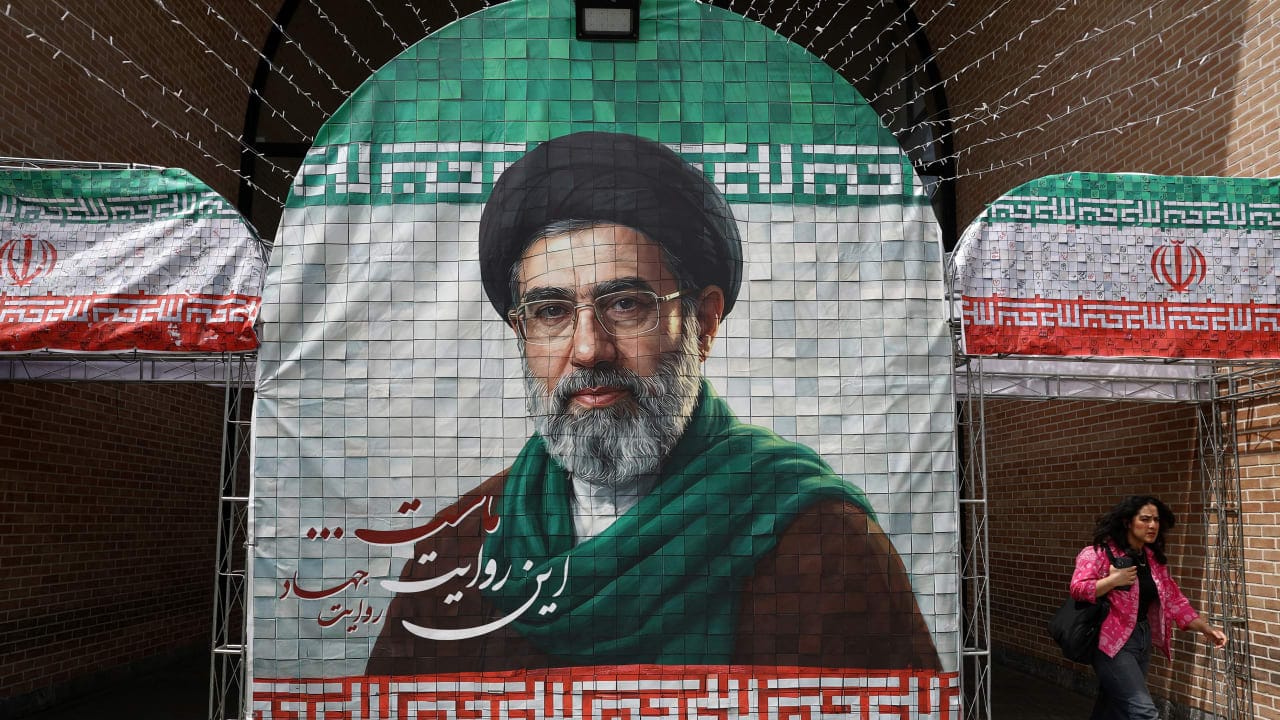
Iranian Supreme Leader Mojtaba Khamenei warned that any renewed US aggression would prompt a response on a much larger scale, claiming Iran had already targeted US bases in the region and controlled access through the Strait of Hormuz. He said US hostility would not change through elections or concessions. Meanwhile, Qatar, Russia, and China were reportedly mediating US-Iran negotiations aimed at preventing an American strike. Iranian official Mohsen Rezaei said Washington had not adequately answered Iran’s demands, including conditions for reopening the strait.
Biblical Context
Iran’s threats against the United States, the possibility of military escalation, and the mediation effort to prevent a strike raise questions Scripture addresses about government authority, peace, and the human causes of conflict. Romans 13:1–4 describes governing authority as accountable to God and recognizes the state’s responsibility to restrain wrongdoing; it does not give rulers unlimited moral permission for aggression, so the passage is relevant to the conduct and claims of both governments. First Timothy 2:1–2 calls Christians to pray for rulers and public authorities so that society may experience peace and stability, which fits the article’s focus on negotiations intended to avert war. James 4:1–2 connects conflict to disordered desires and disputes, offering a broader moral account of why human rivalries produce violence. These passages illuminate the ethical stakes of the confrontation, but they do not identify a specific prophecy being fulfilled by the reported threats or negotiations.
Watchmen Signals
Iranian threats, possible military escalation, and diplomatic efforts to prevent a US strike concern the conduct of rulers, the pursuit of peace, and the consequences of armed conflict—subjects Scripture addresses through teaching on government accountability, prayer for authorities, and the roots of conflict. These passages provide ethical principles for evaluating the confrontation, not a verdict on the unverified claims made by either side.
The reported threats, negotiations, and dispute over the Strait of Hormuz do not correspond closely to a particular biblical prophetic passage. War rhetoric and control of a strategic waterway are broad geopolitical features, not sufficient evidence that a specific prophecy is being fulfilled.
US-Iran tensions and diplomatic efforts are actively evolving, with military escalation still possible. No new attack or emergency action is described, so the situation warrants monitoring rather than immediate alerting.
Biblical Sources
Scripture references supporting the biblical context above.
Paul urges prayer for kings and all in authority so that people may live peaceful and godly lives. The passage directly supports concern for diplomatic efforts intended to prevent a military strike and wider conflict.
James traces quarrels and conflicts to sinful desires and disputes among people. Applied cautiously, this provides a moral framework for considering the ambitions, hostility, and competing demands described in the US-Iran confrontation.
Paul describes governing authorities as accountable to God and responsible for restraining wrongdoing. This bears on the obligations and limits of the US and Iranian governments as they threaten force and pursue negotiations.
Comments
No comments yet.
Sign in to join the conversation.
Sign InStay Informed. Grow in Biblical Understanding.
Explore important news from around the world through the context of God's Word. Create your FREE Watchmen account to discover more news analysis, Biblical Insights, and Scripture-based perspectives.
Create Your FREE AccountFree to join. No credit card required.