LIZ PEEK: There may be a silver lining in Trump's brutal midterm defeat
The Watchmen's Summary
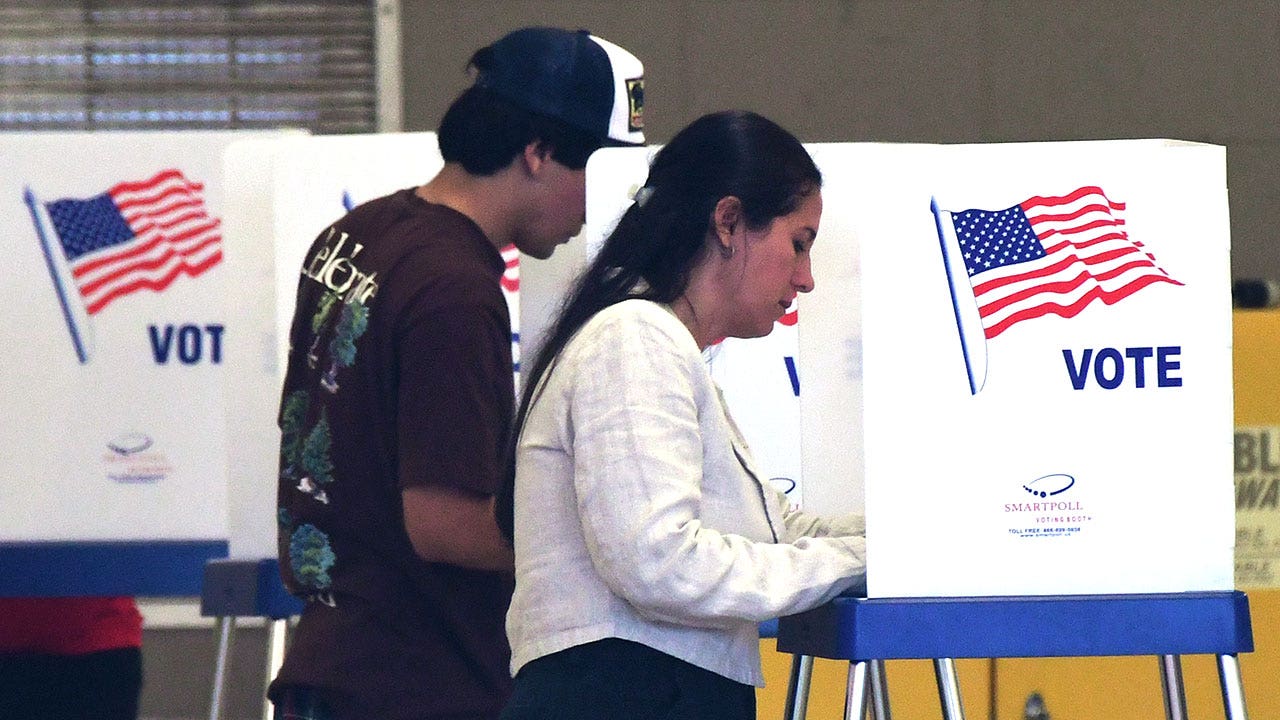
The opinion piece says Democrats won control of both chambers in the 2026 midterms, flipping at least seven Senate seats and more than a dozen House seats, while making major gains in Texas and Michigan. It attributes the Republican defeat largely to President Trump’s immigration enforcement, war with Iran, tariffs, elevated energy prices, and unpopular candidates. The writer argues that Democrats now face internal divisions over health care, Israel, energy, taxes, artificial intelligence, and investigations of Trump, while Republicans may regroup before 2028.
Biblical Context
A national election that changes control of Congress raises questions about how rulers exercise authority, how citizens respond to government, and whether public decisions pursue justice or self-interest. Romans 13:1-4 describes governing authority as accountable to God and responsible for restraining wrongdoing and promoting public order; it does not endorse a particular party or guarantee that every government action is righteous. Proverbs 29:2 connects public joy or grief with the character of rulers, which helps explain why leadership changes can have broad social consequences without treating an election result as divine approval. The column’s discussion of immigration enforcement also connects with Leviticus 19:33-34, where Israel is commanded not to mistreat the foreigner and to love the stranger as oneself. That passage does not settle modern questions about borders, deportation, or criminal enforcement, but it does require humane and impartial treatment of foreigners. The article’s references to war, political conflict, and competing interests can be considered alongside James 4:1-2, which identifies sinful desires and disputes as sources of conflict. This is a moral warning about human motives, not a direct explanation of the Iran conflict or a prediction about election outcomes. Scripture therefore offers principles for evaluating rulers, justice, treatment of immigrants, and the motives behind conflict. It does not identify the reported election as the fulfillment of a prophecy, prescribe a Democratic or Republican platform, or validate the column’s predictions about health care, energy, tariffs, Israel, or artificial intelligence.
Watchmen Signals
The election and the policies placed before voters concern civil authority, the conduct of rulers, justice, immigration enforcement, war, and the use of public power—subjects Scripture addresses through principles of accountable government, humane treatment of foreigners, and the moral sources of conflict. Those passages do not determine which party should prevail or settle every modern policy dispute, but they provide substantive standards for evaluating the actions described.
A Democratic takeover of Congress, conflict with Iran, references to Israel, and political backlash resemble broad biblical themes such as conflict and opposition, but the supplied facts do not correspond to a particular prophetic passage with distinctive identifying features. Nothing here establishes that a biblical prophecy is being fulfilled.
The election results are newly emerging, with vote totals still incomplete and immediate political and market reactions underway. The consequences are important to follow, but the article is primarily analysis rather than a prompt alert about an unfolding emergency.
Biblical Sources
Scripture references supporting the biblical context above.
James traces conflicts and wars to disordered desires and disputes, providing a general biblical lens for the article’s discussion of war, political hostility, and competing interests.
These verses command Israel to treat foreigners fairly and compassionately, offering a relevant moral standard for considering the article’s discussion of immigration enforcement and deportation.
The proverb connects the character and rule of leaders with the welfare or distress of the people, relating to the article’s claim that voters judged the president and his party through the midterms.
Paul describes governing authorities as accountable to God and responsible for maintaining order and restraining wrongdoing, providing a framework for evaluating the powers and policies affected by the election.
Comments
No comments yet.
Sign in to join the conversation.
Sign InStay Informed. Grow in Biblical Understanding.
Explore important news from around the world through the context of God's Word. Create your FREE Watchmen account to discover more news analysis, Biblical Insights, and Scripture-based perspectives.
Create Your FREE AccountFree to join. No credit card required.