Abdul El-Sayed delivers major blow to GOP in Michigan after bruising Senate race
The Watchmen's Summary
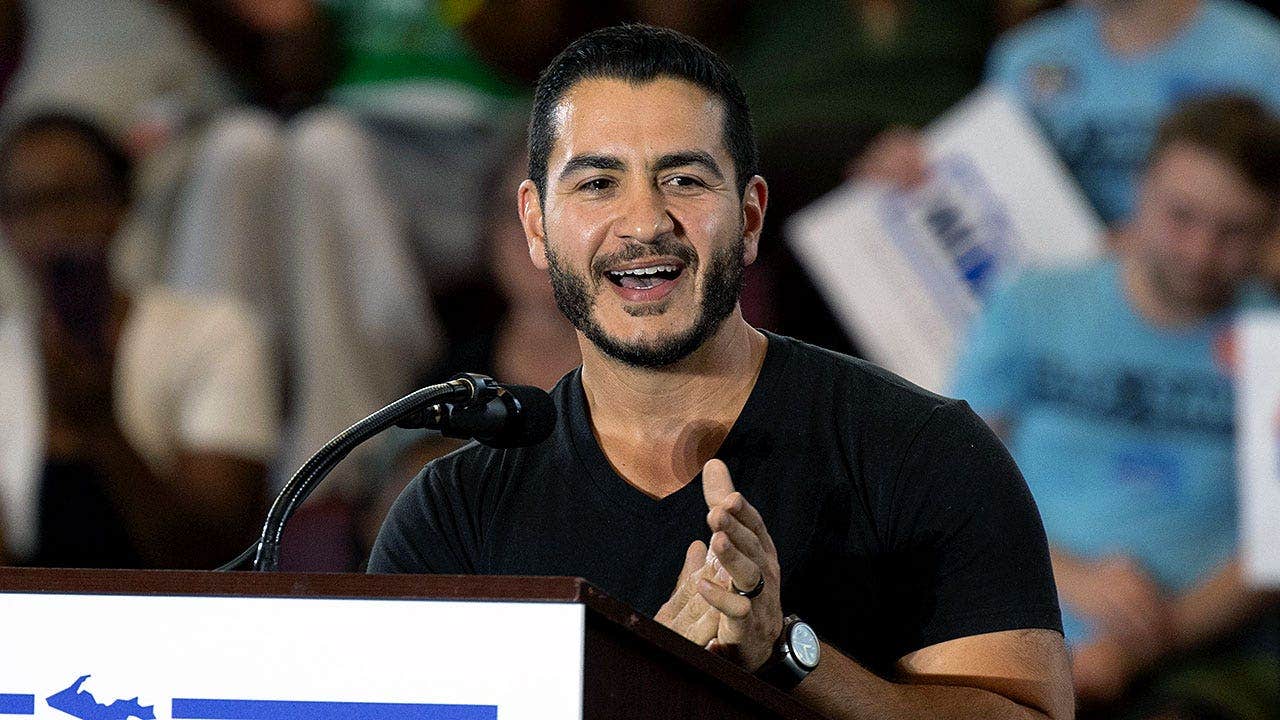
Abdul El-Sayed is projected to defeat former Rep. Mike Rogers in a closely watched Michigan Senate contest, preserving the Democrats’ hold on the state and weakening Republican hopes of expanding their narrow majority. El-Sayed, who would become the first Muslim U.S. senator, thanked AIPAC after the group reportedly spent about $42 million opposing him. The campaign featured attacks over his faith, alleged Muslim Brotherhood ties, Israel-related views, and associations with Hasan Piker, while El-Sayed emphasized affordability and criticized rhetoric portraying Muslims as threats.
Biblical Context
Abdul El-Sayed’s projected victory and the campaign’s attacks over his Muslim faith raise questions about impartiality, truthful speech, and the character expected of public leaders. James 2:1-9 condemns showing favoritism based on outward status and identifies partiality as sin; that principle is relevant when a candidate’s religious identity is treated as a reason to deny fair consideration. It does not, by itself, settle legitimate questions about a candidate’s policies, associations, or national-security views. The reported accusations against El-Sayed also require careful distinction between substantiated criticism and damaging allegations. Exodus 23:1-3 prohibits spreading a false report and warns against joining a crowd to pervert justice, while Proverbs 12:22 commends truthfulness and condemns lying. These passages support caution regarding claims about alleged Muslim Brotherhood ties, jihadism, Hezbollah, or other affiliations when the supplied account does not establish the evidence behind them. Public office carries real authority and responsibility. Romans 13:1-4 describes governing authorities as accountable to God to promote good and restrain wrongdoing. That passage does not endorse a particular party or candidate, but it underscores why voters and officeholders should pursue public justice rather than rely on fear, contempt, or identity-based stereotyping. The article’s references to Israel and Iran do not create a specific prophetic connection; they are campaign and foreign-policy subjects without the distinctive elements needed to identify fulfillment of a particular biblical prophecy.
Watchmen Signals
Abdul El-Sayed’s projected Senate victory follows a campaign in which his Muslim faith, alleged affiliations, and views on Israel and Iran were used as major lines of attack. Scripture directly addresses impartiality, truthful accusations, and the responsibility of governing authorities, making those features of the contest relevant to biblical judgment without resolving the candidates’ policy disputes.
The Michigan Senate result, references to Israel and Iran, and the election of a Muslim candidate do not correspond to a particular prophetic passage with sufficient specificity. Those subjects appear here as campaign and foreign-policy issues, not as the distinctive set of events described by a biblical prophecy.
The projected election result is a new and politically consequential development, but no immediate emergency or rapidly escalating threat is described. Further political and policy consequences are worth monitoring rather than issuing an urgent alert.
Biblical Sources
Scripture references supporting the biblical context above.
These laws prohibit spreading false reports and warn against allowing group pressure to distort justice. They provide a relevant standard for evaluating the article’s unverified allegations and highly charged campaign claims.
James condemns partiality based on outward distinctions. The passage relates to campaign rhetoric that treats a candidate’s Muslim faith or identity as a reason for diminished civic standing, while leaving room to assess policies and conduct on their merits.
The proverb contrasts lying lips with those who act faithfully. It supports the need for truthful, responsible speech when candidates and campaigns make serious accusations about one another.
Paul describes civil authority as accountable to God and intended to serve the good and restrain wrongdoing. The passage illuminates the seriousness of electing public officials without prescribing a particular party or outcome.
Comments
No comments yet.
Sign in to join the conversation.
Sign InStay Informed. Grow in Biblical Understanding.
Explore important news from around the world through the context of God's Word. Create your FREE Watchmen account to discover more news analysis, Biblical Insights, and Scripture-based perspectives.
Create Your FREE AccountFree to join. No credit card required.